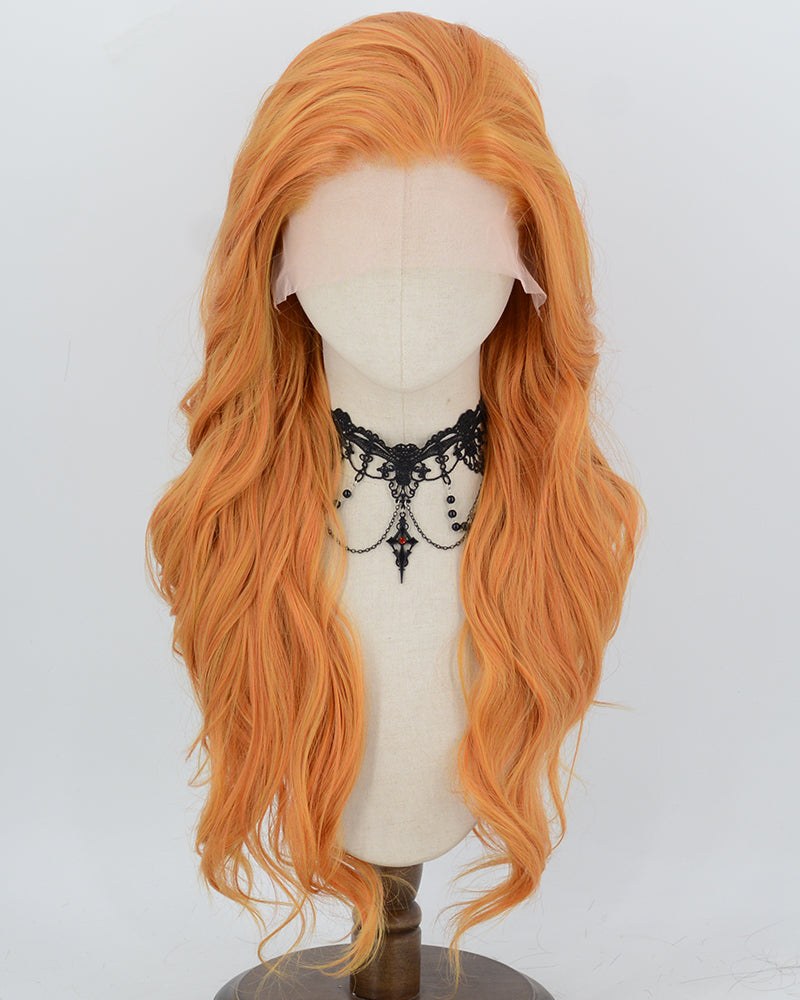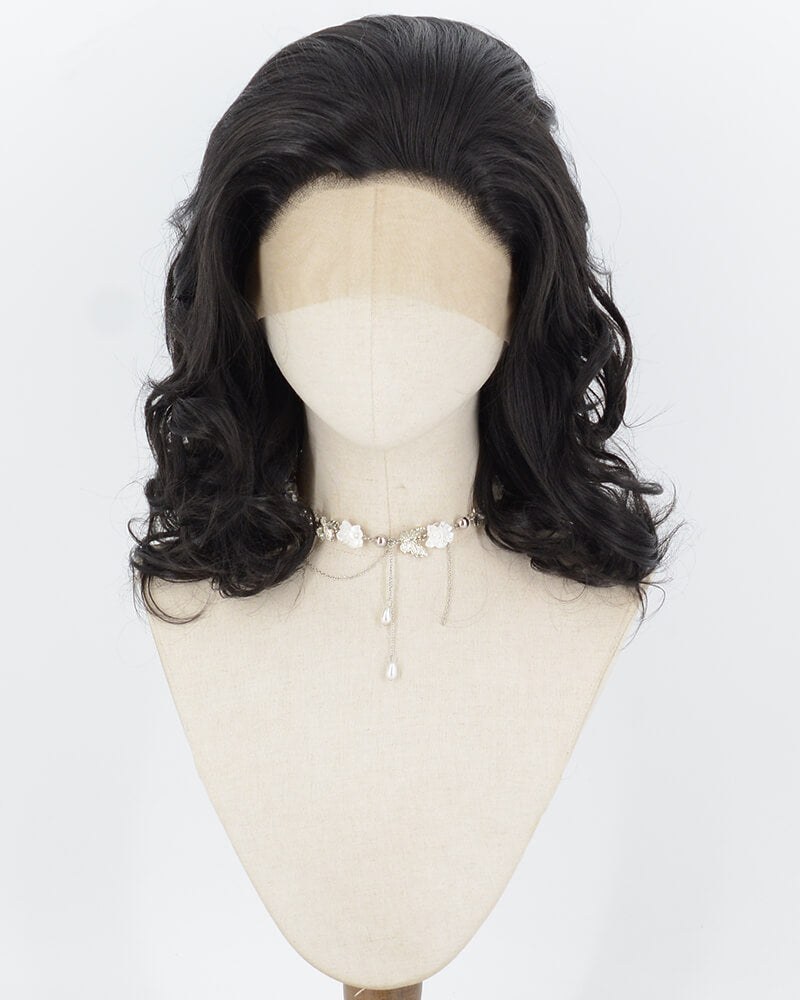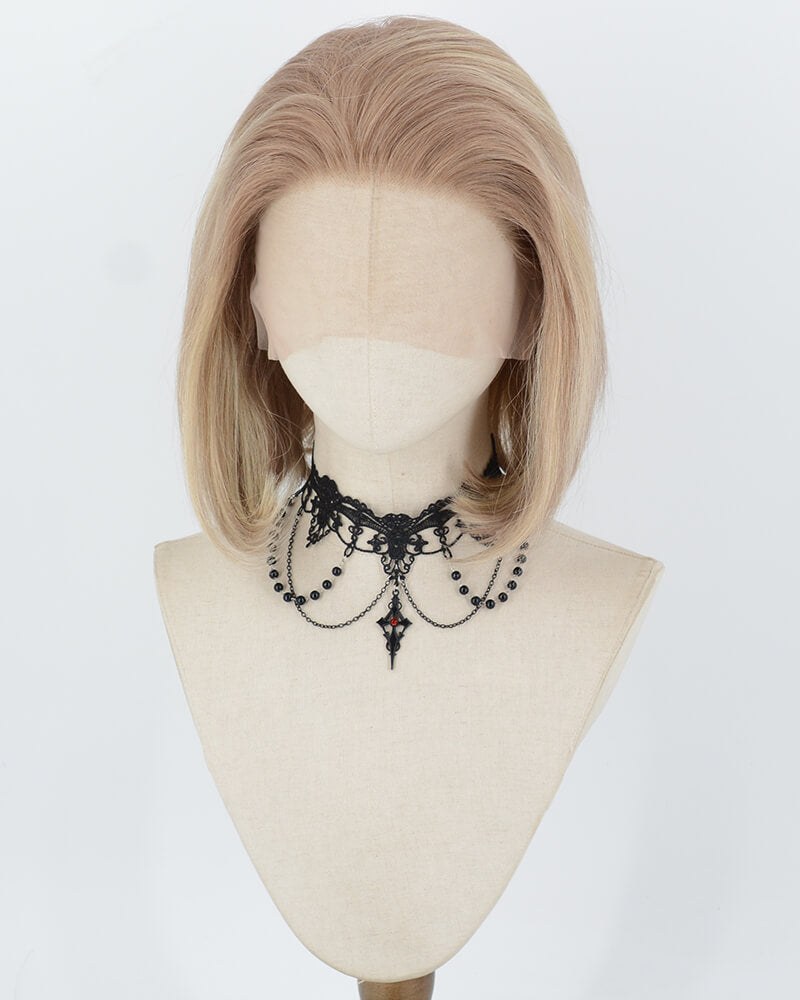
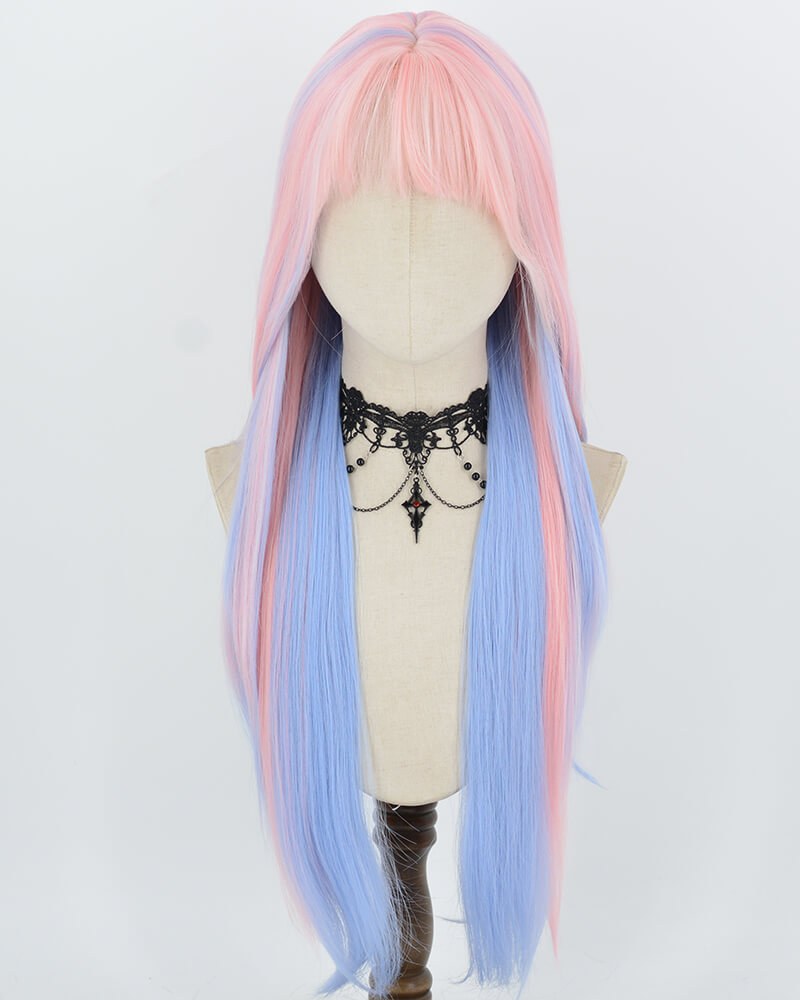
Choosing the right wig density drastically changes how a wig looks and feels. This wig density guide explains what common density labels mean, how density interacts with length and style, and the limits of percentage-based comparisons so you can make a confident selection without guessing.
What wig density means in plain terms
Wig density refers to how much hair is attached to the cap compared with a baseline. Vendors often use percentage labels (for example 120% or 180%) or simple descriptions like "light," "medium," or "full." In practice, density describes how thick or sparse the hair will appear when the wig is worn—not the literal number of hairs.
Translating common percentage labels
Percent labels are shorthand to compare a wig to a factory baseline density. Typical ranges you’ll see are:
- Light / 100%–120%: A close-to-natural coverage suited for casual or understated looks.
- Medium / 130%–150%: A balanced option for daily wear with visible volume.
- Full / 160%–180%: Noticeably thicker, often chosen for styles with body or dramatic movement.
- Extra full / 200% and up: High-volume wigs used for stage, editorial, or very thick styles; heavier and often more costly.
These ranges are a guideline. Different manufacturers set their baseline differently, so 130% from one maker might look like 150% from another. Use the percentages to compare within a catalog rather than as absolute measures.
Visual fullness vs. actual density
How full a wig looks is influenced by more than density alone. Cap construction, layering, haircut, and the type of hair fiber (synthetic vs. human) all affect visual fullness. For example, a layered cut can create the impression of more volume without adding hair, while a blunt cut shows density more directly.
Example: Two wigs labeled 150% could look different—one with a lace front and long, straight hair can look thinner at the ends, while the other, cut into a shoulder-length blunt bob, will look denser because the weight is removed and ends appear thicker.
Why length changes how density reads
Length stretches hair out, which makes the same amount of hair appear less full. A 150% density at 10 inches will look fuller than 150% at 22 inches because the longer hair allows more separation and weight, reducing visible thickness. That’s why many vendors increase density percentages for longer lengths to preserve a consistent look across sizes.
Practical point: If you want a consistent silhouette across lengths, choose a higher percentage in longer lengths or select styles that use layering to maintain perceived volume without excessive hair weight.
Limits of percentage comparisons and what they don’t tell you
Percentages have limits. They don’t convey:
- How hair is distributed on the cap (crown-heavy vs. ends-thick).
- How the wig is cut or styled out of the box.
- The type of cap and how much scalp is visible at partings.
- The weight difference—higher density increases the weight, which affects comfort for long wear.
Because of these gaps, treat density labels as one ingredient in your decision. Look for photos (especially in motion), customer images, and detailed product descriptions when available. When ordering from a catalog, ask how density was measured and whether the supplier provides examples with similar lengths and styles.
How cap construction affects perceived density
Different caps create different looks with the same quantity of hair. Lace fronts and monofilament tops offer natural parting and scalp illusion, which can make a medium-density wig read as fuller at the crown and part. Basic caps may leave the top looking flatter, requiring more density to achieve the same visual outcome.
Tip: If you want natural parting with realistic volume, prioritize lace fronts or monofilament areas over simply choosing a higher percentage.
Choosing density by style, activity and comfort
Match density to the look and how you’ll wear the wig:
- Daily natural look: Medium density (around 120%–150%) often balances realism and comfort.
- Styling flexibility: If you plan extensive heat styling, higher density gives you more hair to work with, but check the wig’s care instructions first.
- Event or editorial looks: Full to extra full densities create dramatic silhouettes suitable for photos and stage wear.
- Long wear and comfort: Higher densities are heavier; prioritize lower-to-medium density for all-day wear unless you prefer the fuller look.
How to judge density from photos and product pages
When you can’t see a wig in person, evaluate density with these steps:
- Compare photos of the same style at different lengths to see how fullness changes.
- Check the parting and crown area—visible scalp at the part often means lower density or a specific cap design.
- Look for images of the wig being moved or styled; motion shows how hair separates and how heavy it is.
- Read the description for layer, cut, and whether the wig is pre-styled. A pre-styled bob at 150% will read much fuller than pre-styled long hair at the same percentage.
Adjusting a wig’s appearance after purchase
You can alter perceived density after you receive a wig without adding hair:
- Thinning shears and a professional stylist’s cut can reduce bulk at the right places to create movement.
- Texturizing or razoring ends can remove weight on long wigs, making them read fuller from the crown.
- Teasing at the crown or using lightweight volumizing products (follow the wig’s care advice) can increase lift without changing density.
If you’re uncertain, consult a stylist experienced with wigs before cutting; some changes are irreversible.
Questions to ask before buying
Before you place an inquiry, get these details so you’re not surprised:
- What baseline does the manufacturer use for percentage calculations?
- Are there photos of this exact style at multiple lengths and densities?
- What cap construction does this wig use and where is hair density concentrated?
- How much does the wig weigh at the length and density you want?
ARIS BEAUTY SUPPLY processes orders by email inquiries, and company staff can confirm specific density, cap details and available imagery. For catalog browsing, check the listings in our collections and the product’s description before contacting us. Useful pages to review include /collections/, /collections/lace-front-wigs/, /collections/regular-wigs/, and /collections/human-hair-wigs/ for examples of construction and styles. If you need tools or finishing supplies, see /collections/accessories/.
Conclusion: Use density labels as guidance, not gospel
Density labels are shorthand that help narrow choices, but they don’t tell the whole story. Length, cut, cap construction and styling all shape how full a wig looks. Use percentage labels to compare within a vendor’s catalog, evaluate photos carefully, and ask targeted questions about baseline measures and cap details. When in doubt, request specific product images or consult a stylist before altering the wig. For browsing and detailed product information, visit our catalog sections and contact ARIS BEAUTY SUPPLY to confirm density, cap features, and availability.
Helpful links: /new-arrivals/ for fresh styles, /care/ for maintenance advice, /wholesale/ if you’re buying in bulk, and /contact/ to submit an email inquiry. Check /shipping/ and /returns/ for ordering logistics before you finalize requests.