Choosing between a lace front and a regular (non-lace-front) wig comes down to how you want the hairline, parting and overall fit to behave in real life. This guide breaks down the practical differences—what you’ll see at the front, how parting works, how each fits and what tradeoffs to expect—so you can match a wig to your style, time and budget without assuming one is always better.
What people mean by "front hairline" and why it matters
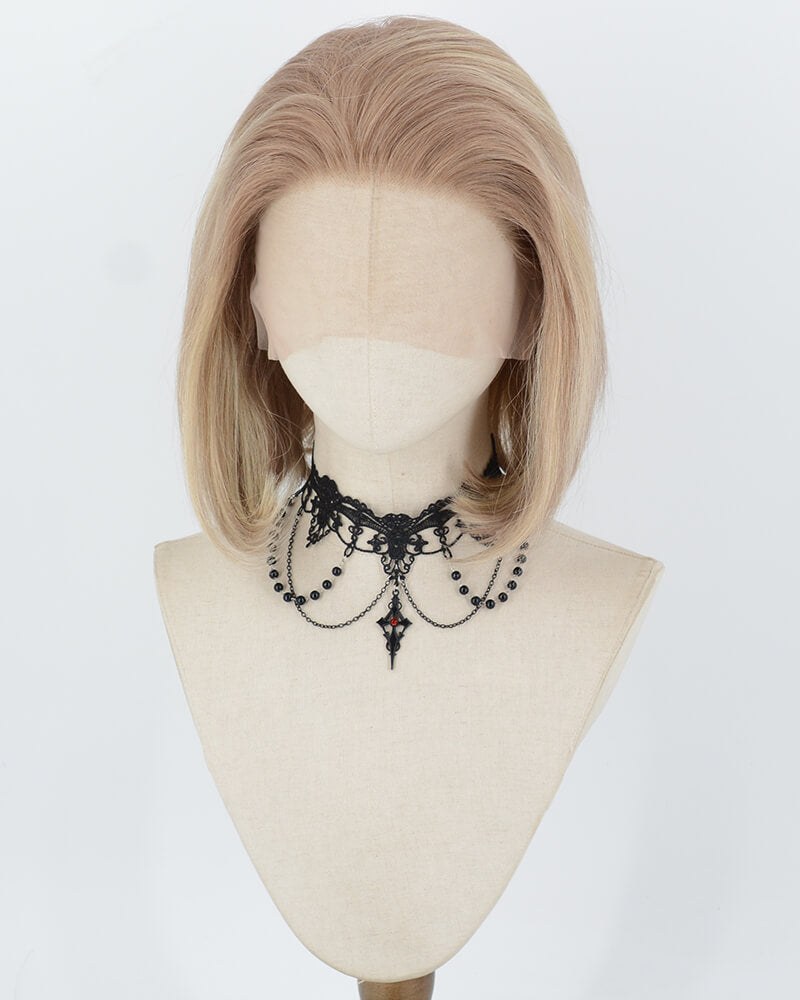
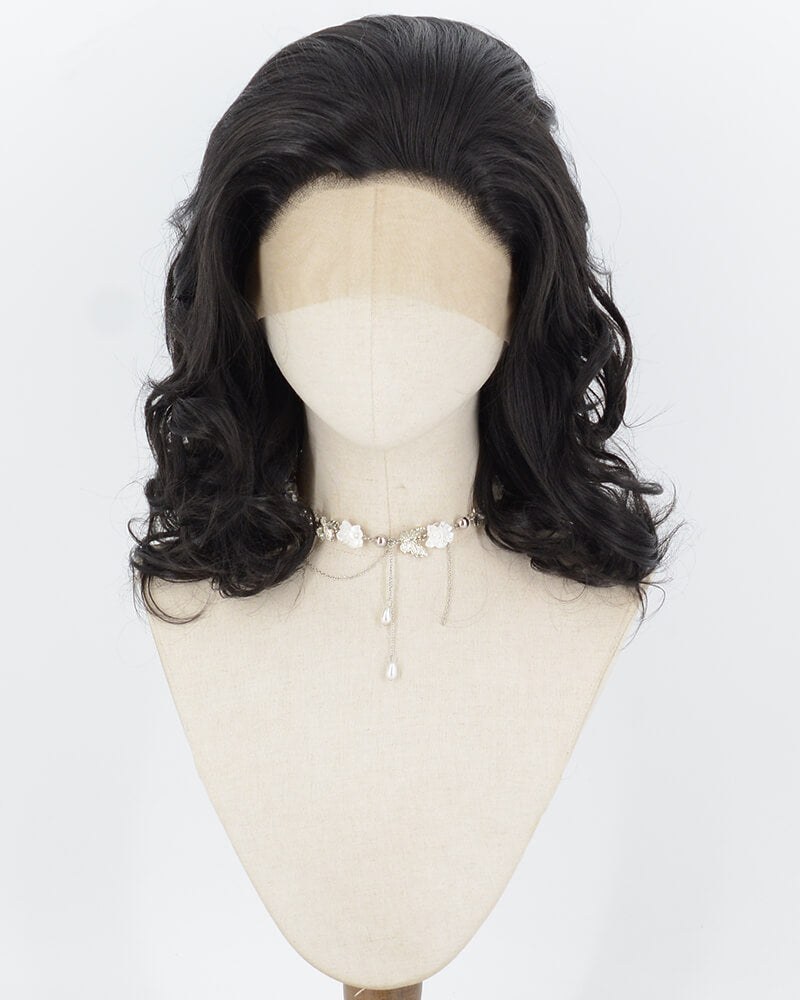
The front hairline determines how natural the wig looks where it meets your forehead. With a lace front, a thin piece of sheer lace extends across the forehead area and individual hairs are knotted or ventilated into that lace. From a distance and often up close, this creates the illusion that hair emerges directly from skin, producing a softer, more realistic hairline and the possibility of slightly varied baby hairs or irregular densities.
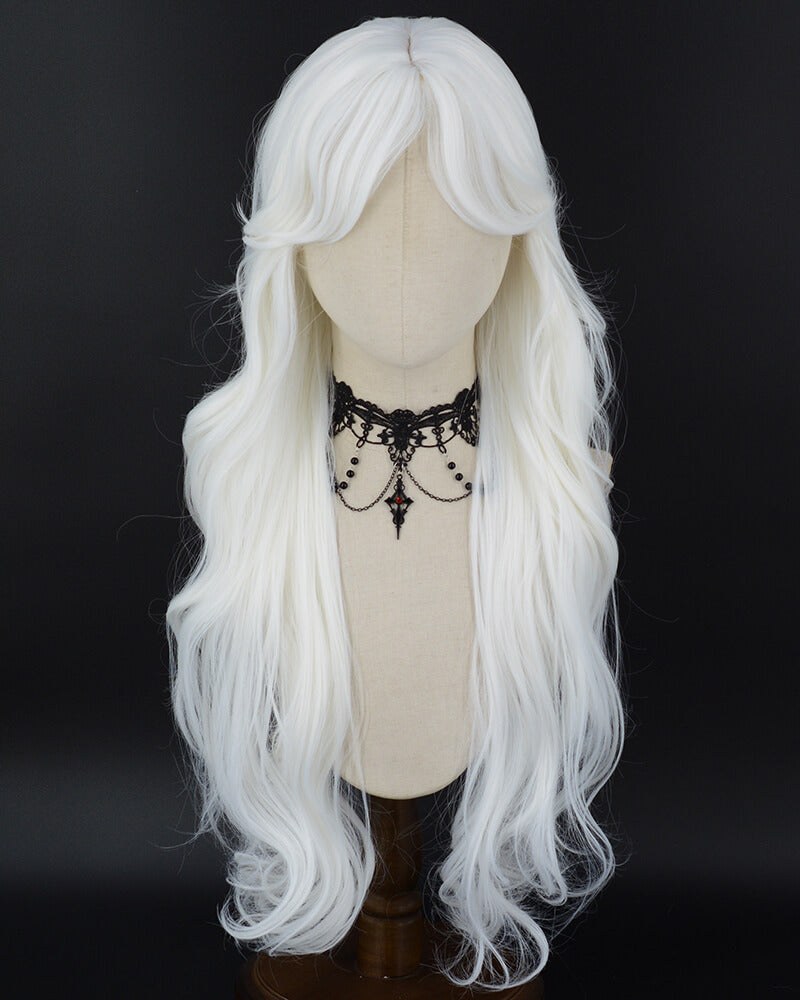
Regular wigs usually have a thicker, more visible edge at the front—often a wefted or banded cap edge. That edge is covered by the hair but can reveal itself when you wear styles that pull hair back or part very close to the forehead. If you plan to wear your hair pushed back, tied, or in styles that show the perimeter, expect the front edge of a regular wig to be more noticeable unless you take extra styling or trimming steps.
Parting options: how lace and regular caps differ
Parting is where the wig shows a divide in the hair, and it’s closely tied to the cap construction. Lace fronts allow for more flexible parting near the front because the hair on the lace can be separated and styled without revealing a hard cap edge. Some lace-front wigs include a full lace cap or a deep lace part that lets you change the part across a wider area.
Regular wigs typically have fixed wefts and a defined part panel. You can still change the part within limited bounds, but deep or dramatic part shifts may reveal the cap construction. If you want very frequent part changes or center-to-side part switching on a daily basis, lace-front or full-lace constructions offer more freedom while regular caps are better for consistent, repeatable looks.
Fit and how each cap sits on different heads
Fit is about cap size, combs, adjustable straps and how the cap conforms to the scalp shape. Both lace-front and regular wigs come in standard sizes—small, average, large—and some brands include stretch caps or adjustable hooks to fine-tune the fit. Lace fronts don’t automatically fit better; the lace itself is cosmetic. The base cap pattern and internal construction decide comfort and stability.
If you have a smaller or larger-than-average head, focus on cap sizing and the presence of adjustable bands or silicone grips. If the wig will be worn for active situations (dancing, windy days), seek styles with stronger anchoring like combs or elastic bands; those features are available across lace-front and regular lines.
Visual tradeoffs: realism versus simplicity
Lace fronts generally win on front realism, especially when you plan styles that expose the hairline or require a natural-looking part. Regular wigs often look full and polished without extra manipulation, and many shoppers prefer their lower maintenance: they come ready to wear out of the box and are less fragile at the front edge.
That said, a regular wig with a well-constructed cap, strategic styling and possibly a trimmed bang or shaped hairline can look convincing for many everyday styles. The choice is about the visible area you’ll expose and how much time you want to spend on styling and blending.
Daily wear and maintenance considerations
Lace is delicate. Lace-front wigs require gentle handling along the lace edge to avoid stretching or tearing. If glue or tape is used to secure a lace front, you'll need to factor in adhesive removal and cleaning. Regular wigs can be more robust at the front edge and tolerate quicker on/off handling, making them suited to people who frequently put wigs on and take them off in short periods.
Both types need care for tangling, washing and storage, but lace-fronts demand more attention at the perimeter. Check product care guidance on the label or the company care pages before applying adhesives or heat—specific instructions depend on the materials used. For general care products and tools, consider browsing accessories that support wig upkeep in our /collections/accessories/.
Styling flexibility and when to choose which
If your styling plan includes slicked-back looks, deep side parts, realistic baby hairs, or hair tightly pulled off the face, a lace front or full-lace wig will give you more convincing results. Lace fronts make subtle changes to the hairline possible and can be worked into updos with less visible cap edge.
For everyday styles—loose waves, shoulder-length cuts, layered looks that keep hair around the face—a regular wig often suffices and requires less fussing. If you prefer quick wear, simpler maintenance and fewer adhesive steps, start with a regular wig from our /collections/regular-wigs/ and choose a style with the cap features you like.
Cost, longevity and realistic expectations
Lace-front wigs commonly cost more due to the extra material and time in ventilation. That doesn’t mean they always last longer; longevity depends on base materials (synthetic vs human hair), how you care for the wig, and how often you wear it. Some lace-front synthetics will keep style longer than a lower-quality human-hair wig, and vice versa. Read product descriptions carefully in /collections/human-hair-wigs/ and /collections/lace-front-wigs/ to compare construction and materials.
Expect lace to eventually require delicate repairs if it catches on jewelry or is repeatedly trimmed. Regular wig caps can be resilient but may show wear in other ways, like stretching of the elastic band or thinning of fiber density with heavy use.
Practical testing—what to try before buying
If possible, try on both types and move your head through the motions you expect in daily life: look up and down, turn rapidly, walk in wind or sit under bright lighting. Watch how the front hairline and parting look from different distances and when you style hair away from the face. If you can’t try in person, request close-up photos from the seller of the hairline, parting and cap edge, and check return policies on the /returns/ page before purchasing.
Ask about cap size options and anchoring features. If you plan to use adhesives, confirm recommended adhesives and removal procedures with the company via /contact/ so you avoid damaging the lace or the wig’s fibers.
How to match your priorities to the right choice
- Prioritize hairline realism and multiple parting options: lean toward lace-front or full-lace constructions.
- Prioritize durability, faster on/off and lower delicate handling: consider a regular wig with a solid cap edge.
- Prioritize minimal daily styling: choose a cap and style that suit your usual look rather than one that requires frequent adjustment.
- Prioritize budgetary limits: compare materials and construction—human hair vs synthetic—and ask about wholesale or bulk options in /wholesale/ if buying for a salon or resale.
Conclusion: there's no universal winner—only the right fit for your routine
Lace front vs regular wigs is ultimately a decision about visible front realism, parting flexibility, cap handling and how much time you’ll invest in styling and maintenance. Lace fronts give you a more natural-looking hairline and greater parting freedom, but they require more delicate care and sometimes adhesives. Regular wigs offer simplicity, sturdiness and lower fuss for everyday wear but reveal their cap edges in certain styles.
Start with your daily styling priorities and test caps or request detailed images. For further product options, maintenance advice and cap comparisons, visit our /collections/, read specific care instructions on /care/, and contact us at /contact/ to confirm size, availability and any additional product details before ordering.
Quick checklist before you buy
- Decide how visible you’ll make the hairline and whether you’ll change parts.
- Confirm cap size, anchoring features and whether you’ll need adhesives.
- Inspect photos or try on to see the hairline and parting under movement.
- Review returns policy on /returns/ and shipping timelines on /shipping/.
- Contact the company via /contact/ with any specific questions about a style or wholesale needs.