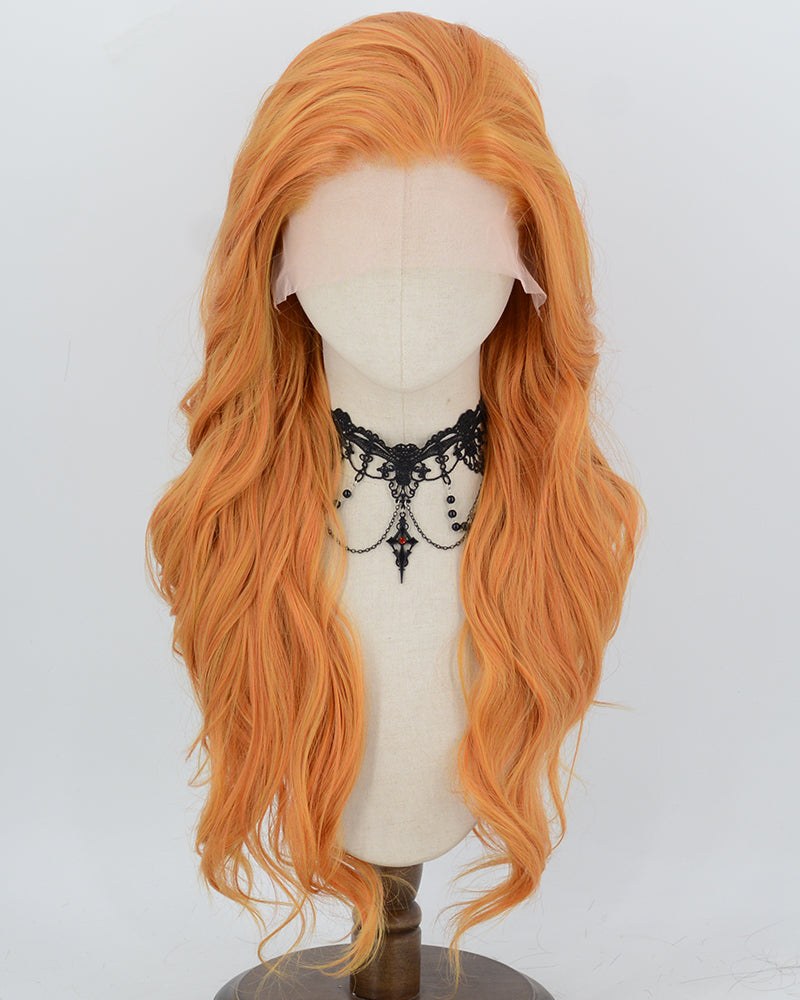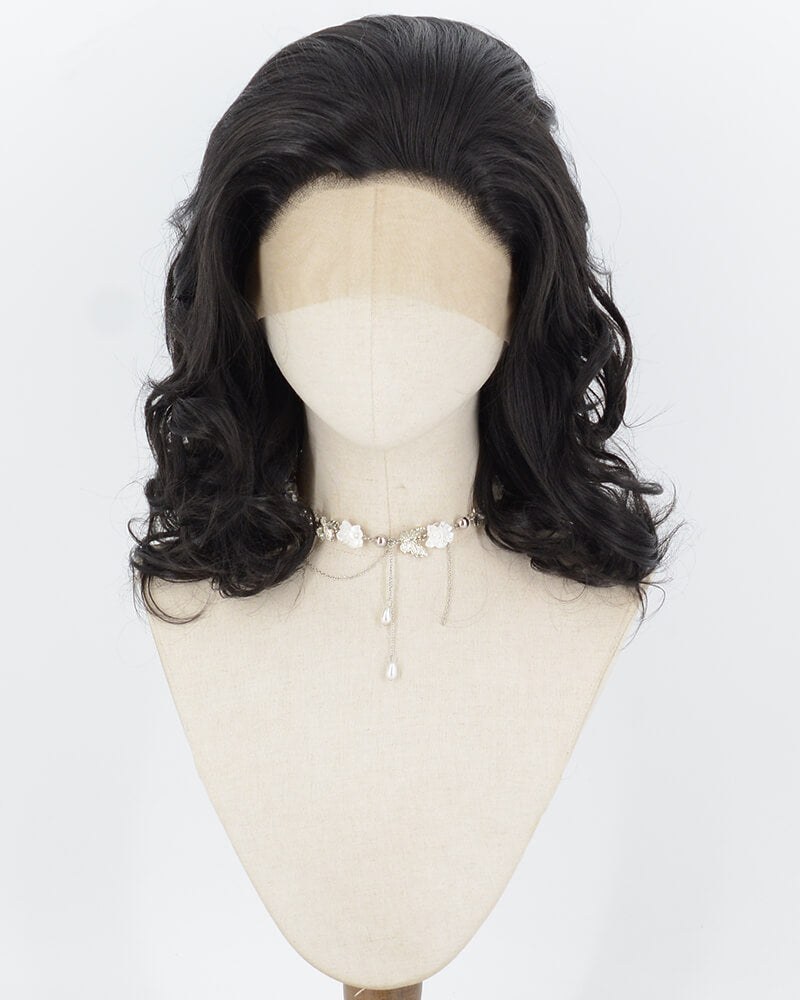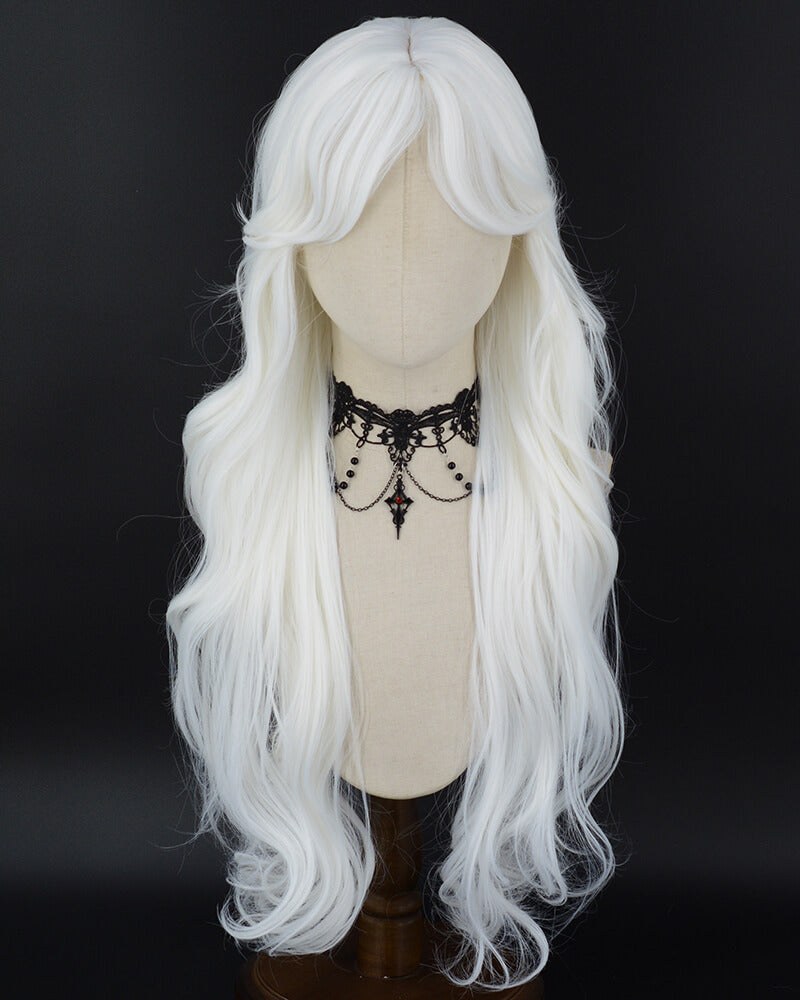
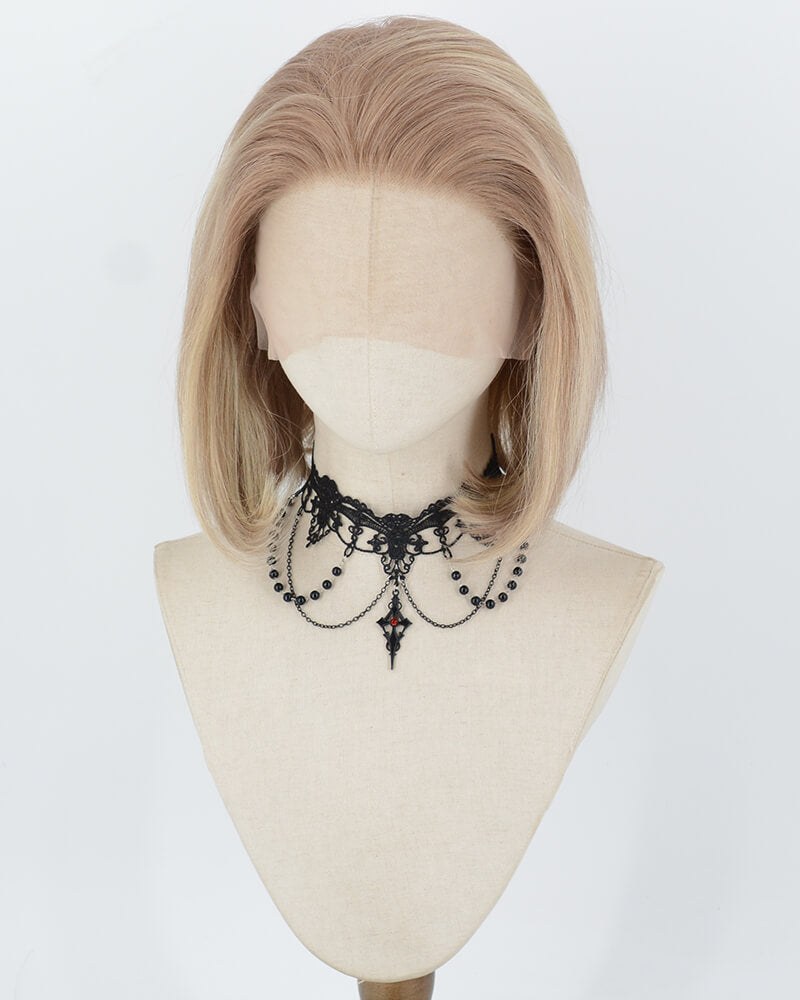
Choosing between synthetic and human hair wigs comes down to how you plan to wear, care for, and restyle the piece. This guide compares day-to-day routines, restyling possibilities, costs, and natural variation so you can make a practical decision that fits your lifestyle—without promises about lifespan that depend on many factors.
How daily routine affects your choice
Think about how you’ll use the wig day-to-day. A wig worn daily requires a different approach than one reserved for special occasions.
- Low-maintenance daily wear: Many synthetic wigs are engineered to hold a set style out of the box. They often require minimal brushing and can be a time-saver for people who want a consistent look with little morning fuss.
- Versatile daily options: Human hair wigs offer styling flexibility that can match changing looks—updos, heat-styling, and color options—if you’re willing to invest more time in care and styling products.
- Occasional wear: If a wig is for occasional events, a human hair wig can deliver a lifelike texture and drape that reads more natural in photos. For occasional wear where you want convenience, a high-quality synthetic in a flattering cut can be an easier choice.
Restyling: what you can—and can’t—do
Restyling ability is one of the clearest technical differences between the two types.
- Synthetic wigs: Many synthetic fibers are heat-sensitive and come pre-styled. Some modern synthetic fibers are heat-friendly and allow limited heat restyling with compatible tools, but you must follow the product label. Restyling with steam, curlers, or hot tools is only appropriate for fibers specified as heat resistant.
- Human hair wigs: These can be treated much like natural hair: cut, colored, flat-ironed, curled, and heat-treated. That versatility makes them better suited to frequent style changes—but each chemical or heat process adds cumulative wear, so careful product selection and technique matter.
Example: If you regularly change from straight to curly looks, a human hair wig gives predictable results under a trusted stylist. If you prefer a “set-and-forget” bob or layered look that returns every morning, a synthetic wig may meet that need without daily heat.
Care routines: washing, detangling and storage
Care differences are practical rather than absolute. Follow the maker’s label, but expect these general patterns:
- Washing: Synthetic wigs usually need gentler, less frequent washing because the fibers don’t absorb oils like natural hair. Use products formulated for synthetic hair. Human hair wigs accept standard shampoos and conditioners; they may require clarifying, deep conditioning, or protein treatments depending on styling history.
- Detangling: Use wide-tooth combs or brushes designed for wigs. Begin detangling from tips toward the roots. Synthetic fibers can frizz if aggressively brushed; human hair wigs can be smoothed or layered with products designed for natural hair.
- Storage: Store on a mannequin head or in a breathable bag to preserve shape. Avoid prolonged sun exposure for both types—UV rays can fade synthetic color and dry out human hair.
Tip: Keep a small maintenance kit—suitable brush, product for the fiber type, and a satin scarf—to handle on-the-go tangling and protect the cap when not worn.
Cost considerations beyond the sticker price
Price is often a deciding factor, but think beyond initial cost to ongoing expenses.
- Upfront cost: Good-quality synthetic wigs generally cost less than comparable human hair wigs. Lower cost can allow more frequent style changes without large investment.
- Maintenance cost: Human hair wigs may require salon visits, color services, and specialized products. Synthetic wigs typically need specialized synthetic-care products, but fewer professional services.
- Replacement vs. repair: Repairs, cap replacements, or professional restyling for human hair may add expense. For synthetic wigs, severe fiber damage often means replacement rather than repair.
Example: If budget limits mean you prefer swapping colors often, synthetics make experimenting affordable. If you intend to invest in a single versatile piece and maintain it professionally, a human hair wig might justify its higher initial cost.
Natural variation and color realism
Natural variation covers how a wig reflects light, moves, and matches skin tone. Human hair typically shows subtle variations in color and texture because it’s real hair; that can help it read as highly natural in different lighting conditions.
- Color depth: Human hair often responds more naturally to multi-tone coloring and highlights. Synthetic wigs have improved dramatically in color realism and can mimic depth well at many price points; however, some synthetic finishes reflect light differently than natural hair.
- Texture and movement: Human hair moves and absorbs humidity similarly to biologic hair; that can be advantageous for styling but also means more variable behavior in weather. Synthetic fibers can maintain a predictable silhouette but may feel less breathable or flexible.
When matching skin tone or a personal natural look, examine the wig under several lighting conditions and, if possible, request color swatches before committing.
Cap construction, fit and comfort
Cap type influences comfort, temperature, and the final look more than material alone.
- Lace fronts and monofilament tops: These constructions are available in both synthetic and human hair wigs and enhance a realistic hairline and part. Check /collections/lace-front-wigs/ and /collections/human-hair-wigs/ for styles that list cap features.
- Breathability: Caps with ventilated bases or open wefts can feel cooler; denser caps may be warmer but provide fuller look. Your climate and sensitivity to heat should guide selection.
- Adjustability: Look for adjustable straps, combs, or silicone liners to secure fit. A secure, comfortable fit reduces friction and skin irritation over time.
When to choose synthetic, and when human hair makes sense
Here are practical scenarios to align the product type with real-life needs.
- Choose synthetic when: You want a low-effort, ready-to-wear style; you’re experimenting with color or cut on a budget; you prefer limited maintenance; or you need multiple looks without heavy investment. Browse /collections/regular-wigs/ and /collections/accessories/ for complete outfits and care tools.
- Choose human hair when: You want maximum styling flexibility, a highly natural look across lighting conditions, and you’re prepared for more involved maintenance and possible professional services. Explore /collections/human-hair-wigs/ for options with varied cap constructions.
Practical buying and service notes
If you’re ordering from a supplier, confirm details before purchase. ARIS BEAUTY SUPPLY is a Cincinnati company; orders are currently initiated by email inquiry and require company confirmation. For specifics on minimum orders, wholesale pricing, shipping, or return policies, consult the company directly—see /contact/, /wholesale/, /shipping/, and /returns/ pages for guidance. Product pages under /collections/ and /new-arrivals/ list construction and care attributes that inform your choice.
Quick checklist to compare options in-store or online
- Read the product care label: is the fiber heat-resistant? What cleaning products are recommended?
- Inspect cap construction: lace front, monofilament, or full cap—how important is a natural hairline?
- Confirm adjustability and sizing for comfort.
- Compare initial price and estimate ongoing costs (products, salon visits, replacements).
- Request color swatches or photographs in multiple lighting conditions if possible.
- Ask about return, shipping and wholesale terms if you need multiple units—use /returns/, /shipping/ and /wholesale/ links to prepare questions.
Conclusion: match product strengths to your lifestyle
The right choice between synthetic vs human hair wigs is practical rather than prescriptive. Choose synthetic if you prioritize convenience, consistent style, and lower upfront cost. Choose human hair if you need styling flexibility, realistic variation in movement and color, and are prepared to invest time and maintenance. In all cases, check cap construction, care instructions, and company policies before you buy—contact ARIS BEAUTY SUPPLY through /contact/ to confirm order procedures and details for items you’re considering. Careful selection and realistic expectations will deliver the best results for how you plan to wear and maintain your wig.