Buying a wig with bangs can simplify styling and deliver an instant, polished look. But bangs change your face framing more than a full-length wig does, and decisions you make before you buy—about fringe length, density and how permanent trimming will be—shape how comfortable and confident you feel wearing the piece. This guide walks through practical choices, what to try when the wig arrives, and when to get professional help so your bangs work for you long term.
Understand fringe length and how it changes your look
Bangs come in many lengths and styles: micro bangs, eyebrow-length, blunt full bangs, side-swept fringes and curtain bangs, among others. Each length reads differently on your face:
- Very short or micro bangs create a bold, fashion-forward statement.
- Eyebrow-length bangs tend to open the eyes and feel youthful.
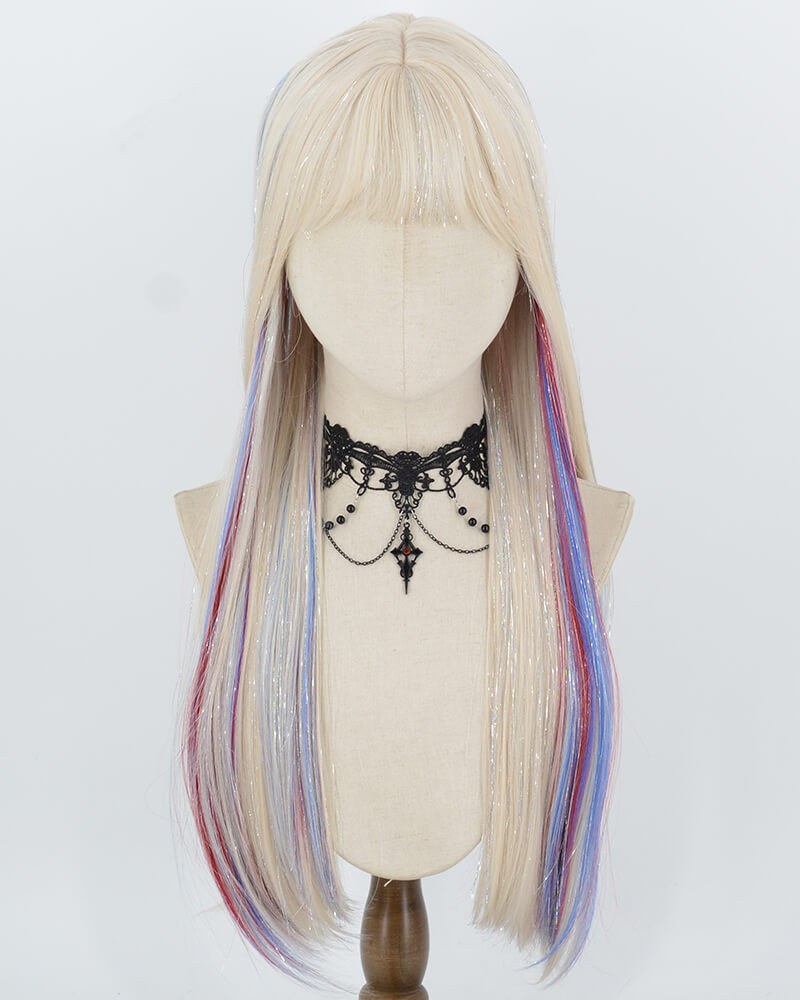
- Blunt full bangs provide strong framing and coverage of the forehead.
- Side-swept and curtain bangs are forgiving, blend into longer layers and are easier to adapt if you change your mind.
Think about how much forehead you want covered, whether you wear glasses, and how your face shape pairs with each style. Bring reference photos when evaluating wigs—images help sellers and stylists understand length and proportion you expect.
Density matters: why bang thickness is as important as length
Bangs with heavy density can be dramatic but may feel bulky or hot, while thin, wispy bangs look softer but might not provide the framing you want. When looking at a wig with bangs, check how the fringe sits against the rest of the hairpiece. Consider:
- Naturalness: lighter density near the hairline looks more natural on many people, especially for synthetic lace fronts or human-hair wigs.
- Maintenance: dense bangs can require more brushing and styling to avoid looking flat or weighed down.
- Versatility: thinner bangs are easier to style off the face when you want a different look.
Try-on strategy: what to assess during your first fitting
When you first try on a wig with bangs—either in person or when it arrives by mail—take a systematic approach. Check these points while wearing the wig for at least 15–30 minutes so it settles:
- Face framing: Does the bang length meet your expectations relative to your brow, eyes and nose?
- Parting and hairline: Is the hairline sitting naturally, or does the fringe look too dense at the roots?
- Movement: Do the bangs move and rest naturally when you turn your head or when wind hits them?
- Comfort and vision: Are the bangs interfering with your sight, or do they brush your eyelashes and irritate your eyes?
- Styling needs: Will the fringe require heat styling or daily trimming to maintain shape?
Take photos from multiple angles and, if possible, have someone else assess whether the bangs look balanced and flattering. If you’re deciding between lengths, compare photos side by side.
Trimming is permanent—know when to test and when to commit
Cutting bangs short is a largely irreversible change. Before trimming a wig, follow a staged approach:
- Start conservative: Trim only a small amount off the ends, re-evaluate, and repeat if needed.
- Use temporary methods first: Pin the fringe back or style it to simulate a shorter length so you can live with the implied look for a few days.
- Practice on a spare piece: If you have a second wig or a removable bang section, experiment there to build confidence.
For synthetic wigs, remember some fibers don’t blend smoothly when cut, and certain textures can show unevenness if trimmed unevenly. If you’re uncertain, err on the side of less cutting. If the wig came with a detachable bang piece or lace front that allows repositioning, use those options before committing to a direct cut.
When to seek professional styling assistance
A professional wig stylist or licensed cosmetologist familiar with wigs can save you time and avoid common mistakes. Consider a professional when:
- You want a major change in length, shape or slope of the bangs.
- The wig is high-value or custom, and errors would be costly.
- The wig’s fiber or lace construction is tricky; some human-hair wigs accept professional cuts more like natural hair, while some synthetics behave differently.
- You need advice on layering the bangs to match the wig’s density and overall silhouette.
Ask your stylist about experience with wigs and request to see before-and-after images of wig trims. If you contact ARIS BEAUTY SUPPLY about a specific item, include photos and the product name so staff can suggest whether pro styling is recommended; orders and modifications are confirmed by the company.
Styling tools and products that help bangs sit right
Whether you trim them yourself or have them cut, the way you style bangs affects their final look. Useful tools and products include:
- A small round brush for shaping and giving a natural bend to the fringe.
- A lightweight styling spray or serum formulated for the wig’s fiber type to reduce flyaways without weighing hair down.
- Heat tools only if the wig’s fiber allows heat styling—check the product details and follow manufacturer instructions.
For daily convenience, keep a travel-size brush and a few clips handy to adjust the fringe quickly during the day. If you plan to shift your look frequently, choose a wig style with bangs that blend into longer layers so you can pin or tuck them away when needed.
Human hair vs synthetic bangs: differences to weigh
Both human-hair and synthetic wigs offer bangs, but they behave differently:
- Human-hair bangs can be trimmed and styled like natural hair and often accept heat styling, but they require more maintenance.
- Synthetic bangs can hold a shape well out of the box and are lower maintenance, but not all synthetics tolerate repeated heat or certain cutting techniques.
Consider lifestyle and time available for upkeep. If you prefer low maintenance and consistent shape, a synthetic fringe styled at the factory may be best. If you desire flexibility to restyle and color, a human-hair wig offers more options but ask about care expectations.
Long-term upkeep and alteration planning
Plan for how you’ll maintain the bangs over weeks and months. Regular light trims keep the fringe at your preferred length, and occasional re-shaping helps maintain the intended silhouette. If you buy multiple wigs, you might reserve professional cuts for your favorite pieces and do light maintenance at home on less expensive options.
Also consider how often you’ll wear the wig. Daily wear exposes bangs to more oil and friction; plan a cleaning and gentle refresh schedule appropriate to the wig’s material. For specifics on care and maintenance products, consult the product information or our care resources at /care/.
Making a confident purchase: checks to perform before you buy
Before committing to a wig with bangs, confirm these practical details with the seller and your own trial plan:
- Try-on or return policy: Know the return options in case the bangs don’t suit you; check /returns/.
- Product images and descriptions: Look for multiple angles of the fringe and read construction notes for lace fronts or monofilament caps; browse collections like /collections/lace-front-wigs/ and /collections/human-hair-wigs/ for specifics.
- Wholesale or bulk questions: If you’re buying for resale or salon use, confirm MOQ and lead times with our /wholesale/ team before placing an email inquiry.
- Accessory compatibility: Check whether the wig pairs well with styling accessories you already own by visiting /collections/accessories/.
Initial try-on checklist
- Wear the wig for at least 15–30 minutes to let it settle.
- Photograph from multiple angles and compare to your reference photos.
- Assess vision, comfort and ease of daily styling.
When you’re ready to ask specific questions or place an order, contact ARIS BEAUTY SUPPLY via /contact/. Orders are currently initiated by email inquiry and confirmed by the company; any wholesale or sizing questions should be verified directly with our team.
Conclusion: small changes, big impact—choose and trim with care
Bangs can transform a wig from stylish to signature—when the length, density and cut align with your face and lifestyle. Prioritize a careful try-on, use temporary styling to preview changes, and remember that trimming is essentially permanent. For significant alterations or valuable wigs, professional styling is often the prudent choice. Use the planning steps and checklists here to make an informed wig-with-bangs purchase and enjoy the immediate payoff of new framing without regrets.
Explore wig types and styling resources at these pages to continue your research: /collections/, /collections/regular-wigs/, /new-arrivals/, /shipping/.