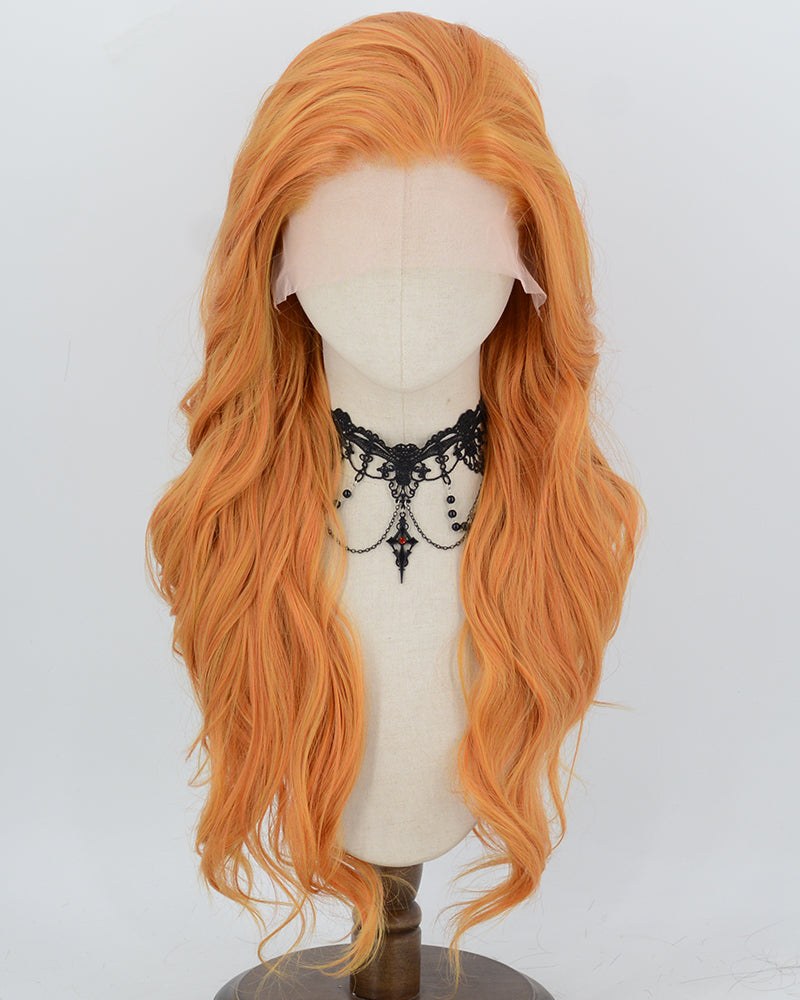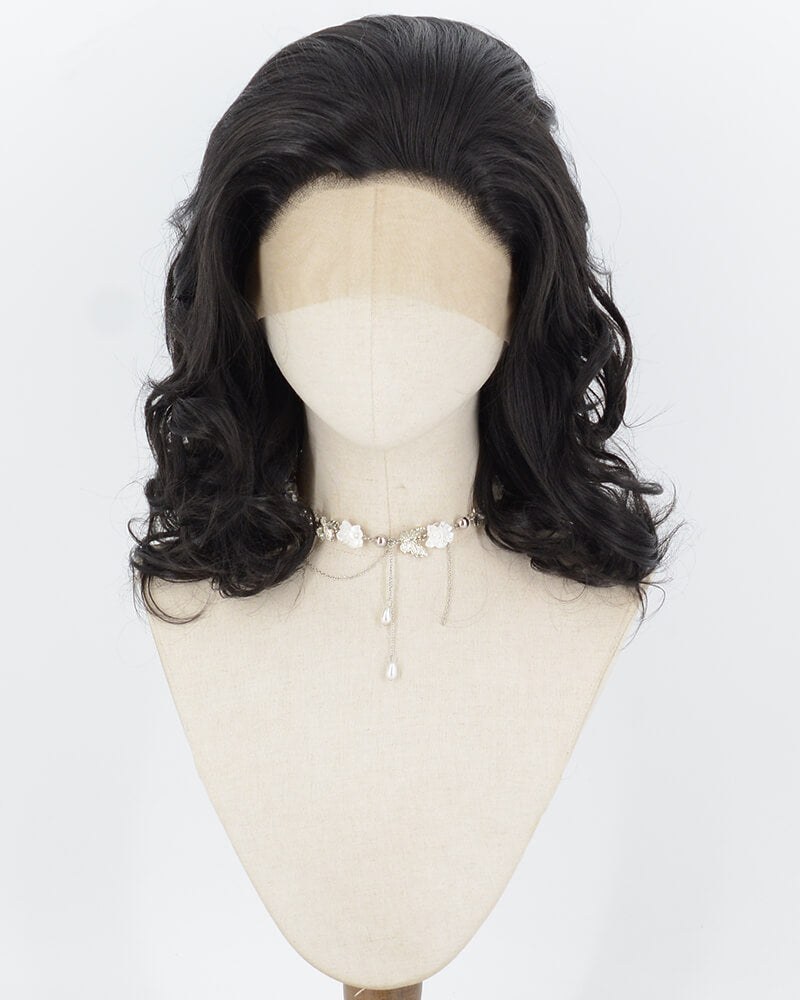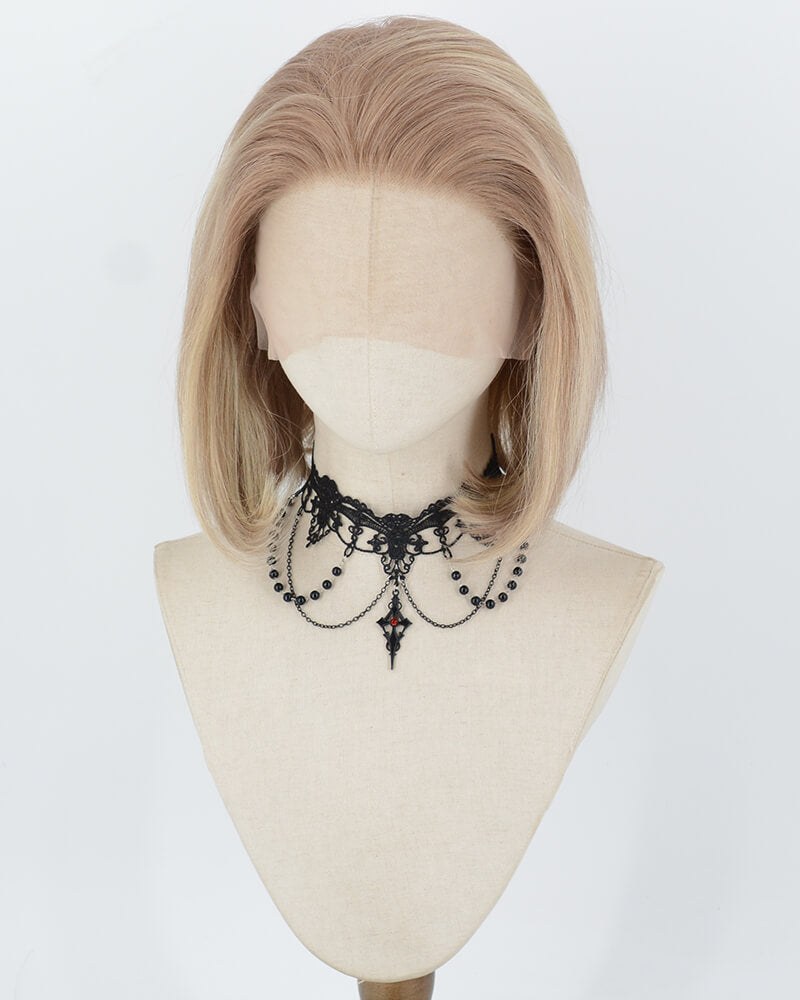
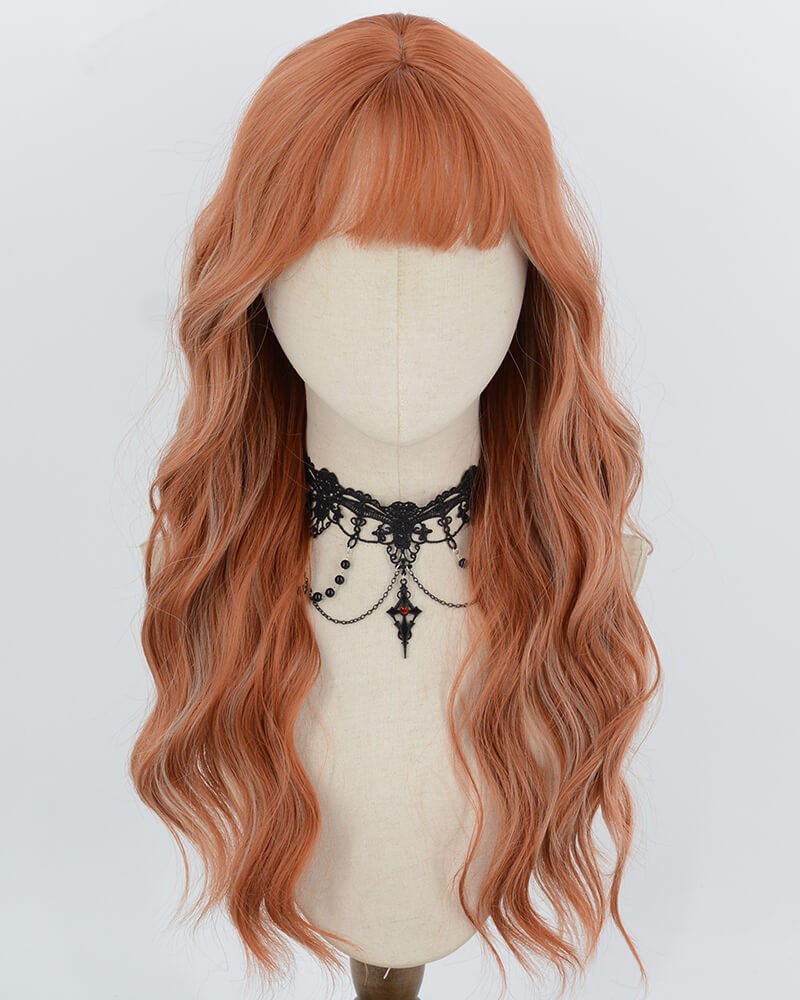
When retailers label a wig “glueless,” they’re describing how the wig is built—not promising that it will attach perfectly to every head without additional adjustment. Knowing the distinction between construction features and guaranteed attachment helps you pick the right piece and plan how to wear it comfortably and securely.
What "glueless" actually refers to in wig construction
At its core, glueless describes cap design features intended to provide a secure fit without the routine use of liquid adhesive or wig tape. Common glueless features include adjustable bands, elastic straps, combs or clips sewn into the cap, and specialized lace fronts or ear-to-ear lace that allow you to press the hairline down without glue.
These elements are integrated into the wig during manufacturing and are meant to give you options. But glueless does not mean one-size-fits-all — it means the cap offers mechanical attachment points rather than depending exclusively on glue.
Key components that make a wig glueless
- Adjustable straps or bands: These let you tighten or loosen the cap like a helmet strap. They’re simple but important for customizing circumference.
- Elastic or silicone-lined bands: Some wigs include a silicone perimeter or an elastic sweatband to increase friction against the scalp and reduce slippage.
- Combs and clips: Sewn-in combs at the nape, sides or crown can anchor the wig to your natural hair.
- Lace front or ear-to-ear lace: Fine lace allows the hairline to be laid flat and blended without adhesive, especially when paired with adhesive-free methods like wig grips or pressure-sensitive strips.
Why glueless construction isn’t a guarantee of perfect attachment
Fit depends on multiple variables: the shape and circumference of your head, the amount and texture of your natural hair, activity level (sports vs everyday wear), and even humidity. A glueless wig built with adjustable straps and combs can be secure on one person and slip on another if the cap size or hair preparation doesn’t match.
Retailers sometimes use “glueless” as shorthand to indicate that typical wear won’t need glue. That’s helpful, but don’t read it as a warranty. Expect to try a few tension adjustments, or to combine multiple securing methods, until you find what works for you.
How to evaluate a glueless wig before you buy
When assessing a wig, look for specific construction details rather than relying on the label. Useful questions to ask the seller or check in the product description:
- What type of cap is it (standard cap, monofilament, full lace, lace front)?
- Does it include adjustable straps, combs, or a silicone band?
- What sizes does the cap come in — small, average, large, or custom?
- Are there any user photos or videos showing the wig worn during activity (walking, bending)?
If the listing doesn’t answer these questions, reach out through the store’s contact options to confirm specifics before ordering.
Practical attachment strategies that keep a glueless wig secure
Even with a well-constructed glueless wig, many wearers combine methods for confidence and comfort. These are practical, non-chemical options you can try:
- Adjust and test the straps: Fit the cap snugly using the internal straps. Start looser and incrementally tighten until the wig feels secure but not painful.
- Use a wig grip or headband: A soft, friction band worn under the wig can prevent shifting and reduce pressure on the hairline. It’s especially helpful when your natural hair is slicked down.
- Anchor with combs or clips: Attach the sewn-in combs to any remaining natural hair. If you have very short hair, you can create small anchor braids for a comb to grip.
- Try pressure-sensitive strips or tape alternatives: Some adhesive strips are less permanent than liquid glue and intended for short-term wear; they are not the same as going glue-free, but they’re an option if you need extra security for an event.
Fit adjustments for different hair types and amounts
How you prepare your natural hair changes how well a glueless wig will stay put:
- Short or shaved hair: Wig grips, silicone bands, and combs are effective. Make sure the cap size is appropriate; very loose caps will slip regardless of features.
- Medium-length hair: Smooth hair into a low bun or wrap it flat, then anchor with combs. If your hair is thick, secure it so it doesn’t create lumps under the cap.
- Long or thick hair: Braid or flat-wrap the hair to reduce bulk. You may need to loosen internal straps slightly to accommodate volume without creating tension points.
Real-world example: a customer with shoulder-length thick hair may find combs alone are insufficient. Combining a low-profile wig grip and sewing a soft elastic band to the wig’s interior makes the piece sit more securely through a full workday.
When glue or tape becomes necessary
There are legitimate situations where users prefer the extra hold of tape or glue: high-intensity activity, windy outdoor events, couture hairlines or when achieving an ultra-flat lace lay is essential for a specific look. Using those adhesives is a personal choice and not a failure of the glueless construction; it’s about the desired security and style.
If you choose adhesives, follow the wig and adhesive manufacturer instructions. Test a small area first and consider professional help for delicate lace or if you’re unfamiliar with removal techniques.
Shopping advice: how to choose the right glueless wig model
Start by matching cap type to your priorities:
- Comfort and daily wear: Look for wigs with soft bands, adjustable straps and breathable caps.
- Realistic hairline without glue: Lace-front or ear-to-ear lace paired with a wig grip can give a natural look without adhesive.
- Sport or high-movement use: Prioritize combs and silicone-lined bands and consider a smaller cap size or an extra secure grip under the cap.
When shopping, use available product categories to narrow choices. Explore lace-front-specific options in /collections/lace-front-wigs/ or review ready styles in /collections/regular-wigs/. If you prefer human hair for how it behaves under styling, browse /collections/human-hair-wigs/ and compare construction notes.
Returns, wholesale and asking the right pre-sale questions
Because fit is personal, check return policies before buying and confirm details if ordering wholesale. ARIS BEAUTY SUPPLY has a returns policy and a wholesale department to answer sizing and cap construction questions—use /returns/ and /wholesale/ to learn next steps. If you need specific cap measurements, contact the store directly via /contact/ to request measurements, cap photos or to arrange a consultation.
Conclusion: read construction, plan your attachment
Glueless wig meaning starts with cap construction: straps, bands, combs and lace can eliminate routine glue for many wearers, but they don’t guarantee perfect hold for every head and every activity. Evaluate the cap features, prepare your natural hair appropriately, and be ready to combine mechanical methods—a grip, combs, or pressure-sensitive strips—to achieve the security you need. When in doubt, ask detailed questions about the cap or consult the retailer before purchase so the wig you choose fits your lifestyle and style goals.
For further resources on caring for and fitting wigs, see our care section at /care/ and explore accessory options that work well with glueless designs at /collections/accessories/.