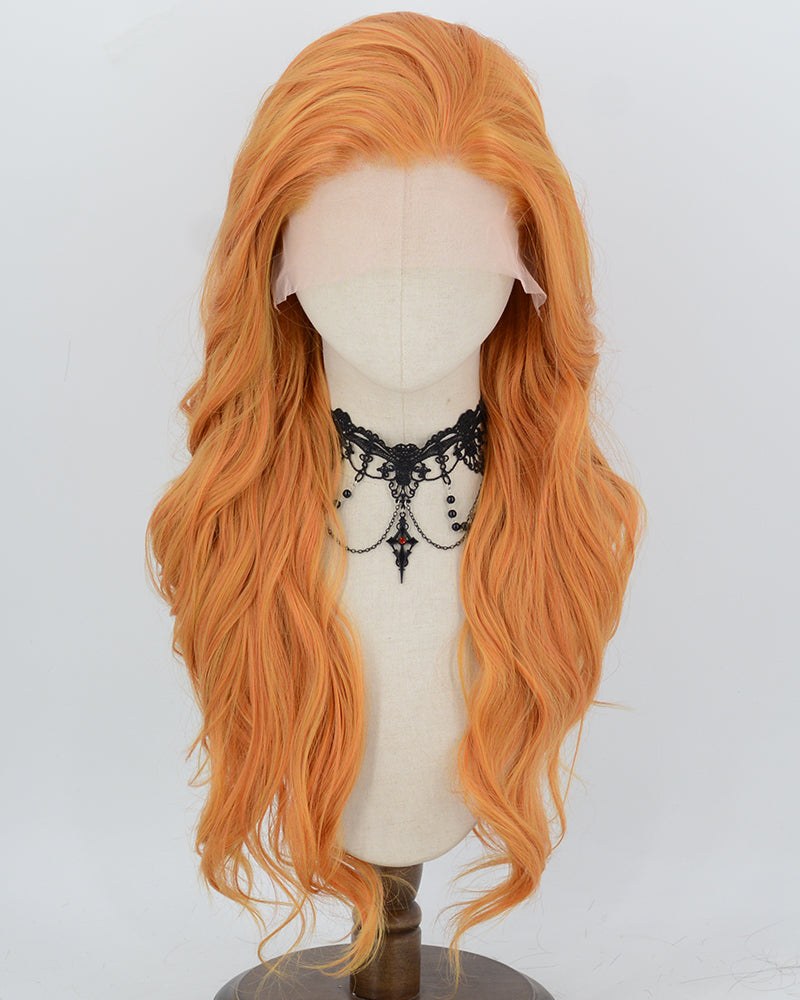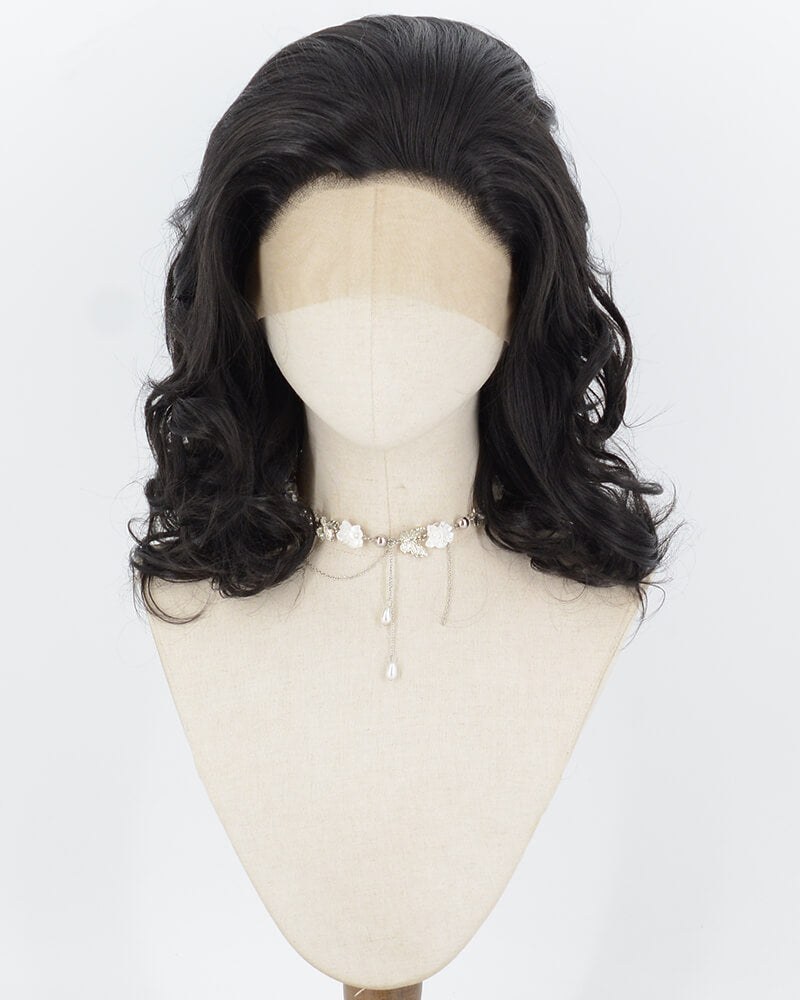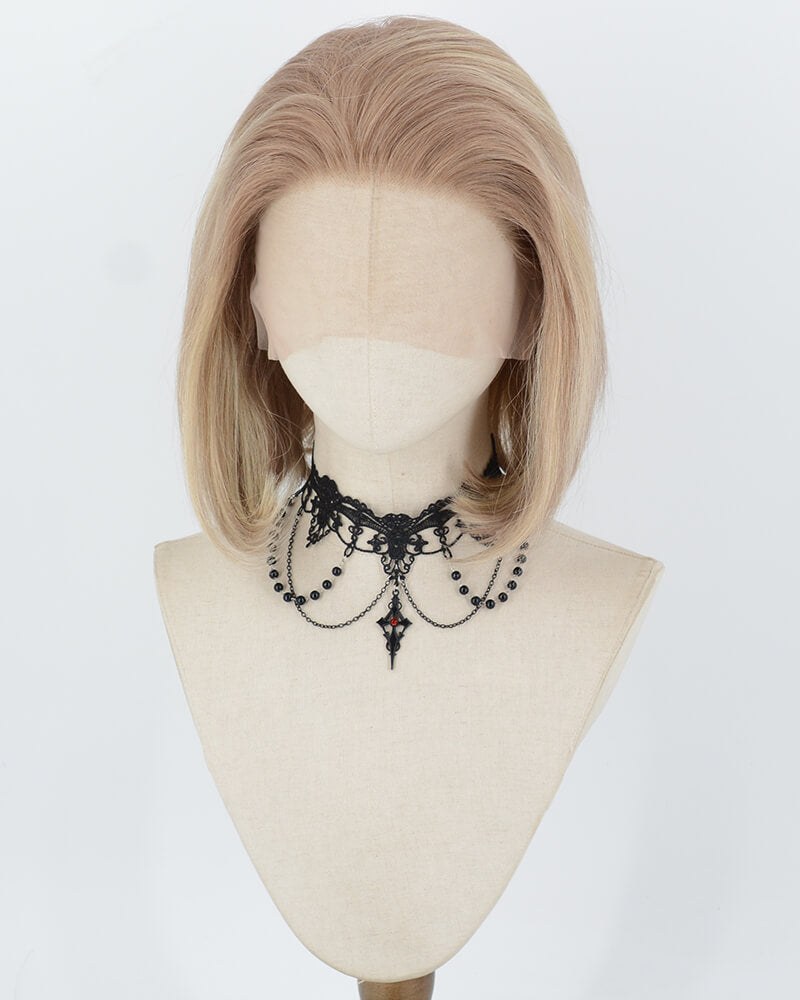
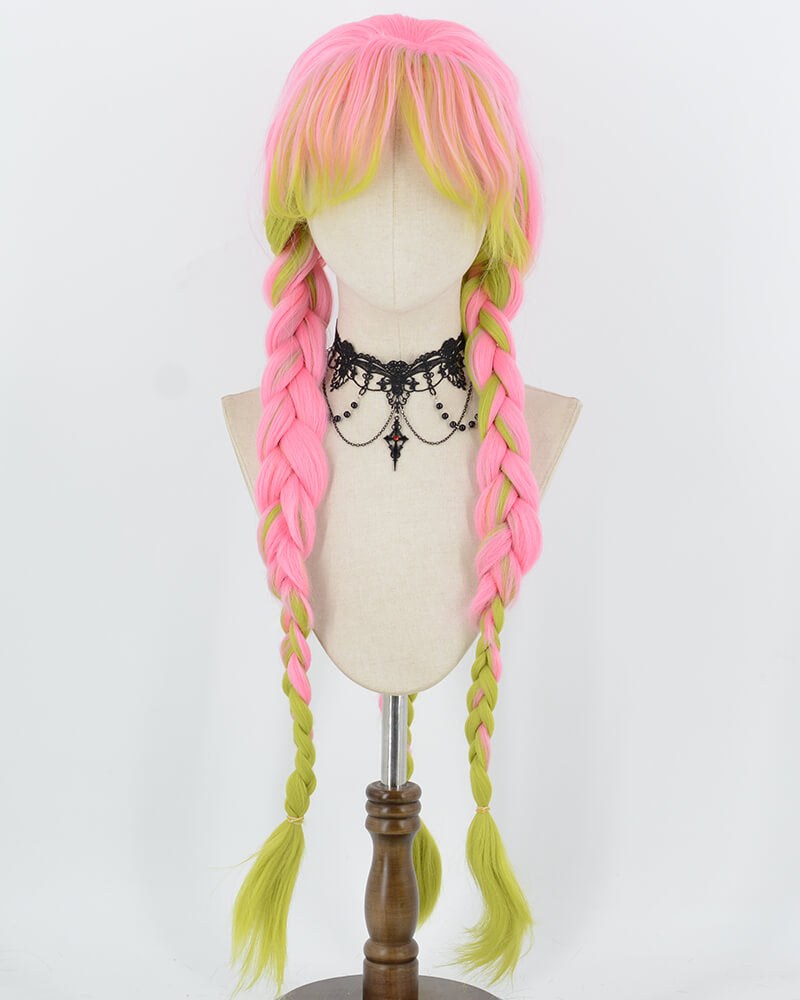
Choosing a wig means choosing a cap construction that suits your lifestyle, styling goals and budget. This guide explains common cap types—wefted, lace front, hand-tied and glueless—so you can read product descriptions with confidence and know the practical limits of each construction.
What "cap construction" means and why it matters
Wig cap construction describes how hair is attached to the wig base and how that base is built. It affects scalp realism, ventilation, durability, weight, and what styling methods will work. Two wigs with identical hair quality can perform very differently if their caps are built differently; understanding the vocabulary helps you match a cap to use cases like everyday wear, heat styling, sports, or professional appearances.
Wefted caps: budget-friendly, breathable and voluminous
Wefted construction (also called machine wefting) secures hair in horizontal rows—"wefts"—stitched to a cap, often with a stretchable elastic band. This is the most common and cost-effective method.
- Advantages: Lightweight, good airflow, holds volume well, typically more affordable, and durable for everyday wear.
- Limitations: Hair direction is determined by the weft pattern, which can limit certain parting styles and very close, natural-looking hairlines. Wefts can sometimes create visible tracks if hair is worn up or if the cap doesn’t fit snugly.
- Best uses: Everyday wigs where breathability and volume matter, layered styles, and looks that don’t demand invisible hairlines.
If you’re browsing for a wefted option, check the product page for notes about adjustable straps and combs, and compare cap measurements to your head circumference. See related styles in our /collections/regular-wigs/ and /collections/ for ideas that pair well with wefted caps.
Lace front: realistic hairline and styling versatility
Lace front wigs have a sheer lace panel along the front hairline where individual hairs are tied to create a more natural-looking edge. The rest of the cap is often wefted or machine-made. Lace fronts allow off-the-face styling and realistic parting at the front.
- Advantages: Natural-looking hairline, ability to wear hair pulled back or swept away from the face, and often better for styles that show the front scalp area.
- Limitations: The lace requires careful handling—excessive tension, heat glue or rough styling can damage it. Lace also requires trimming to match your natural hairline and may need adhesive or a secure fit method for long wear. The lace area is more delicate than machine wefts.
- Best uses: Events, photo-ready looks, everyday wear for those who prefer off-the-face styles, and situations where a realistic front matters most.
For lace front options, review the exact lace type and color listed on the catalog page and plan how you’ll secure it—some customers use adhesives; others choose elastic or adjustable caps. You can find lace-front options under /collections/lace-front-wigs/ and related care guidance under /care/.
Hand-tied caps: scalp-like movement and multi-directional parting
Hand-tied construction involves tying individual strands or small groups of hair to a soft mesh cap by hand. This creates excellent hair movement and a realistic scalp appearance because the hair emerges in more natural directions and sits closer to the head.
- Advantages: Best movement, lightweight, very natural appearance, and greater versatility for changing part lines or creating free part wigs that mimic natural growth from the scalp.
- Limitations: More costly and time-consuming to produce than wefted caps, and the mesh base can be delicate—handling and storage matter. Hand-tied caps may show cap color under very thin hair, so review fiber density and mesh color on the product page.
- Best uses: Realistic everyday looks, professional settings, and styling that requires multi-directional parting and natural movement.
Hand-tied constructions are often listed under /collections/human-hair-wigs/ when made with human hair, but they also appear in higher-end synthetic lines. Note any manufacturer care notes on knot security and recommended handling.
Glueless caps: wearability without adhesives
Glueless (or "no-glue") wigs are designed to be worn without adhesives for people who prefer a quick, less intrusive method to secure a wig. These caps typically combine adjustable straps, combs, and an elastic band. Many lace front and hand-tied wigs are offered in glueless variants.
- Advantages: Easier daily application and removal, reduced skin irritation risk from adhesives, and convenience for users who need frequent changes.
- Limitations: Glueless systems rely on cap fit and internal grips—if the cap doesn’t match your head shape precisely, it can shift during activity. They may not offer the same long-term security as a properly applied adhesive solution for high-motion conditions.
- Best uses: Short-term wear, people new to wigs, those with adhesive sensitivities, and styling that doesn’t require extreme hold (for example, moderate exercise rather than vigorous activity).
When you consider a glueless cap, check for details about adjustable features and whether the specific wig includes combs or silicone grips. Our /collections/accessories/ page lists items that can enhance a glueless fit, such as wig grips and tailoring supplies.
Hybrid constructions: mixing methods for performance
Many wig caps combine construction techniques to balance cost, realism and durability. Typical hybrids include lace front with a wefted back, and hand-tied crowns with wefted sides. These hybrid caps aim to put realism where it’s most visible (front and crown) while saving on costs or improving ventilation in less-visible zones.
- Advantages: Targeted realism without the highest price of a fully hand-tied cap, and improved breathability compared with full lace constructions.
- Limitations: You still need to understand which sections are delicate. For example, a lace front on a wefted cap still requires careful front handling.
Product pages in /collections/ often list these hybrid constructions in their descriptions. Compare multiple product pages to understand how each vendor balances trade-offs.
Fit, sizing and practical considerations
Cap construction interacts with fit. A wefted cap with an adjustable circumference can feel secure on one person and loose on another. Hand-tied or lace constructions may feel thinner against the scalp and require a wig cap bead, band, or different strap settings. Before purchasing, measure your head as instructed on the retailer’s sizing guide and read whether the product runs true to size.
- Try styles that match your lifestyle: active wearers may want additional internal combs; frequent stylers may invest in higher-grade lace or hand-tied options.
- Consider density and weight: higher density increases realism but adds weight; cap design influences how that weight distributes.
- Inspect product details about parting space, lace type and cap material to predict breathability and comfort.
If you have questions about a particular SKU, confirm details via /contact/ before ordering—ARIS BEAUTY SUPPLY processes orders as email inquiries and will confirm stock, pricing and any specific cap notes.
Care, repair and longevity by construction
All wig types benefit from careful handling, but construction changes what kind of care and repair are likely. Wefted caps are robust and tolerate regular brushing and styling; lace fronts require gentle handling at the lace edge and careful storage to avoid stretching the lace. Hand-tied caps are delicate at the knots and can require professional re-knotting or reinforcement if knots loosen.
- Follow the care guidance supplied with each wig and consult the /care/ section for general maintenance tips relevant to synthetic or human hair fibers.
- For lace repairs or re-knotting, professional services usually offer the best outcomes; DIY fixes can sometimes make issues worse if you aren’t experienced.
- Keep a record of how you secured lace or glueless systems—this helps with troubleshooting fit over time.
How to choose: a short decision guide
- If you need the most natural front and plan to pull hair away from the face: prioritize lace front or lace-front hybrids.
- If you want maximum movement and natural parting and budget allows: consider hand-tied caps.
- If cost, breathability and volume are priorities: a wefted cap is usually the best match.
- If you need convenience without adhesives: look for glueless versions but verify the fit features.
Use the product descriptions in /collections/ and the more specific collections for lace-front and human-hair options—/collections/lace-front-wigs/, /collections/human-hair-wigs/, and /collections/regular-wigs/—to compare how individual products implement these constructions.
Conclusion: match construction to needs, not just appearance
Wig cap construction is the technical backbone that determines how a wig will look, feel and perform. Understanding the trade-offs between wefted, lace front, hand-tied and glueless caps helps you select a wig that meets your daily routine and styling goals. When in doubt, review sizing and construction details on product pages, consult ARIS BEAUTY SUPPLY via /contact/ with any specific questions, and check care recommendations under /care/ to protect your investment. If you are buying for a particular event or activity, confirm any fit or wholesale questions through /wholesale/ or shipping and return policies via /shipping/ and /returns/ so you’ll have the right expectations before your order is confirmed by the company.