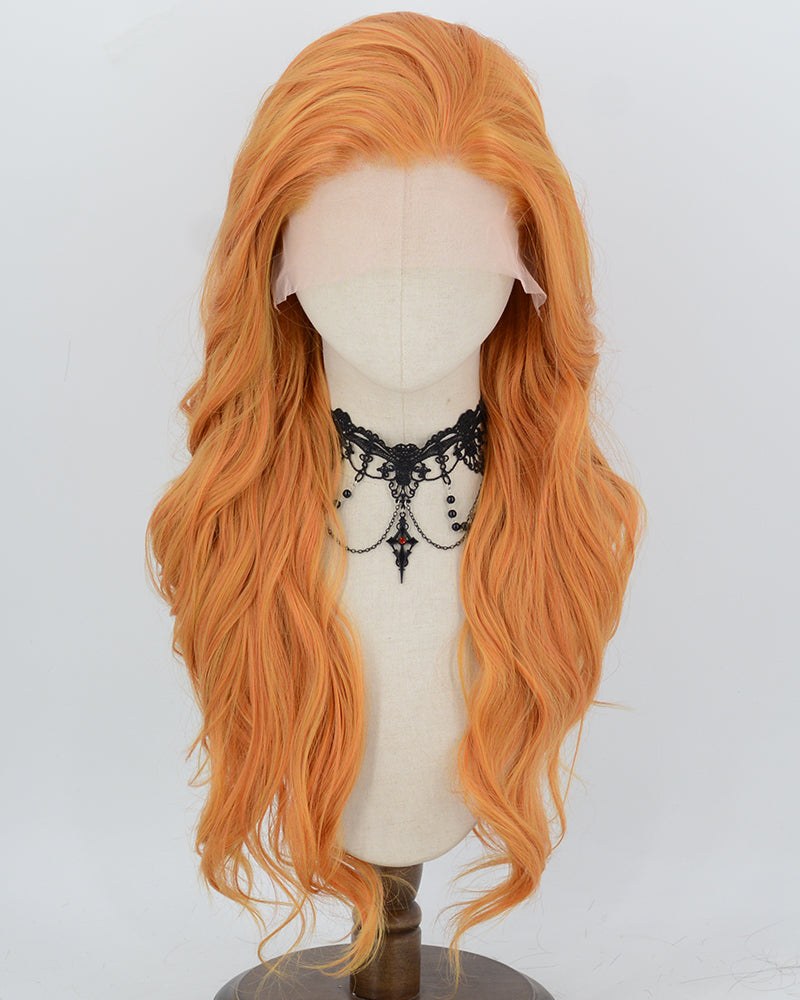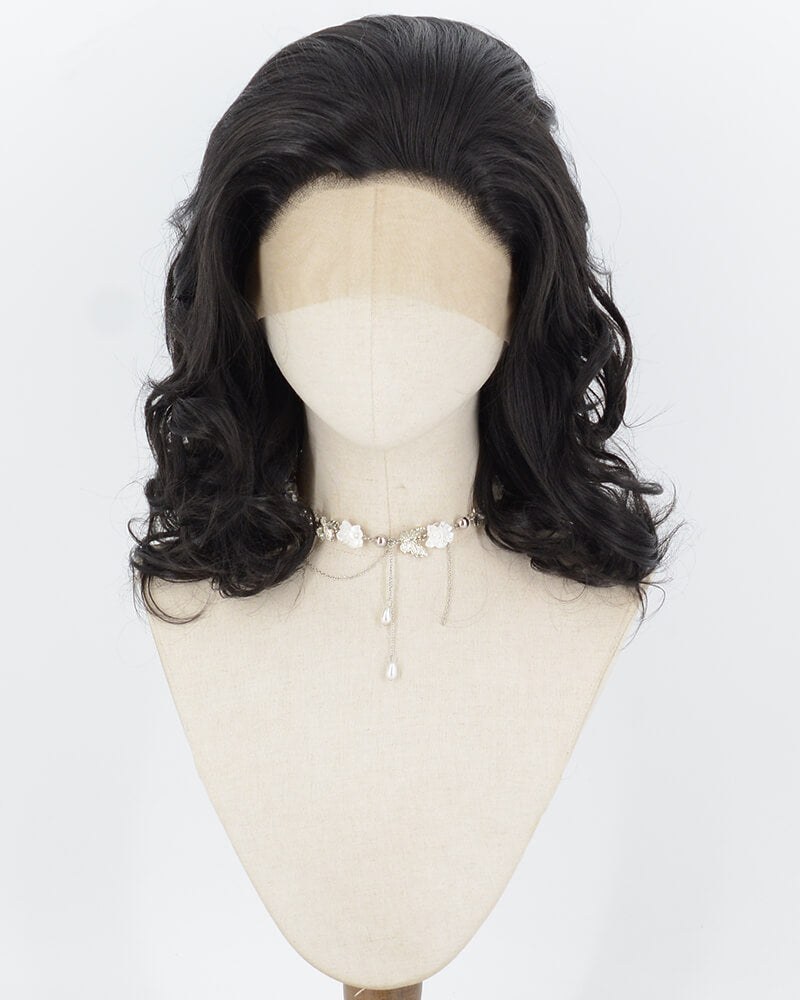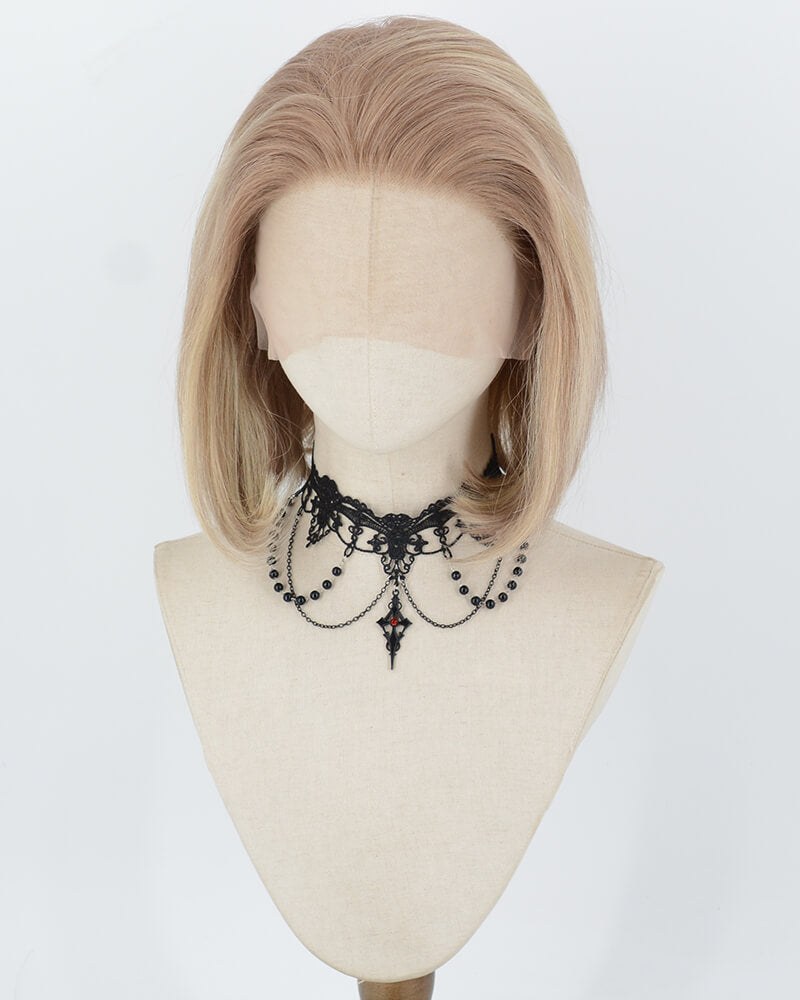
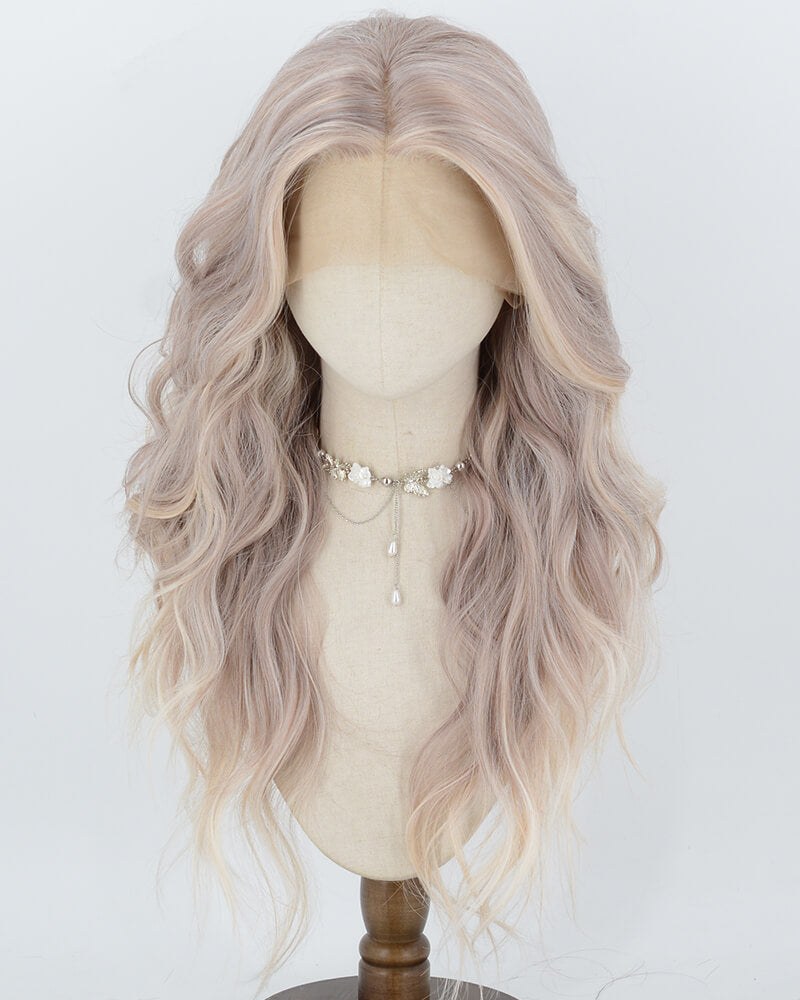
Choosing a wig is about more than hair type and color. For many wearers, how freely a wig parts and how natural the scalp looks come down to two details: lace size and parting space. This guide explains common lace dimensions, what "parting space" means on product specs, and how those measurements translate into styling options so you can pick a wig that matches the looks you want to create.
What "parting space" actually refers to
Parting space describes the area on a wig where hair can be separated to reveal a realistic-looking scalp. It is usually expressed in linear measurements—how far back and how wide the lace extends from a given point (often the hairline or center). Parting space matters because it limits where you can create natural-looking middle parts, side parts, deep parts, or updos without revealing wefts, tracks, or an obvious cap edge.
Different lace constructions and how they affect parting
Not all lace is the same. Common constructions include:
- Lace front — lace along the front hairline only. Provides realistic hairlines and limited parting behind the lace edge. See options in our lace-front wigs collection.
- Full lace — lace across the entire cap, offering the most flexibility for parting and styling, including high buns and off-center parts.
- 360 lace — lace around the perimeter, allowing a full hairline and some versatility for updos while the crown may still contain a standard cap.
- Regular (cap) construction — limited or no lace; cheaper and less flexible for invisible parting. See our regular wigs to compare.
Reading lace size specifications: common measurements
Product listings often show a few measurements you should check:
- Front-to-back distance — how far lace extends from the hairline toward the crown. Larger values create deeper parting capability.
- Side-to-side width — how far the lace stretches across the head. Wider lace gives more lateral parting options.
- Center parting length — some listings specify the length available along the scalp where a middle part can be made.
- Parting depth — particularly for lace closure or frontal pieces, this shows the maximum visible scalp depth you can achieve.
When you see measurements, compare them to the styles you plan to wear. For example, a defined middle part down to the crown needs more front-to-back lace than a simple side part near the hairline.
Translating numbers into real-world parting freedom
Numbers are most useful when mapped to your styling goals. Use these practical examples:
- If you want flexible middle and off-center parts that reach the crown, look for full-lace caps or front lace that extends several inches back. A shallow lace (only 1"–2") will confine you to parts very close to the front.
- For frequent high ponytails or updos, perimeter lace (360 lace) or full lace is best because a traditional lace front won’t conceal the sides and back when hair is pulled away from the scalp.
- If your primary goal is a natural-looking hairline with simple side parts or wearing hair down, a standard lace front may be sufficient and often costs less.
How density and knotting affect perceived parting space
Parting space isn't only about the lace area. Two other factors change how natural parting looks:
- Hair density — heavier density can make parting look less natural unless the lace and knots mimic scalp spacing; lighter density around the part will show more scalp and can improve realism.
- Knotting and bleaching — knot size, placement and whether knots are bleached influence scalp appearance. Small, well-placed knots produce a finer parting effect than large, visible knots.
Check the product description in listings under human hair wigs if knots or density are specified, or contact us for clarification about a specific item.
Practical tips for testing parting space in person or by photos
When evaluating a wig (in person, via images, or through a video), try these approaches:
- Ask for close-up photos of the lace from several angles—hair down and hair shifted to show the intended part lines.
- Request measurements for the lace panel and any stated parting depth. Compare those to the examples above to judge suitability.
- If you can try the wig on, create a few parts with a tail comb to see if the lace covers the area where you want the part to sit.
- For buyers ordering remotely, ask about return policy and exchange options in case the parting space does not meet your expectations. Our returns and shipping pages outline company procedures.
Styling methods to extend practical parting flexibility
If you already own a wig with limited lace but want more parting freedom, there are styling strategies that can help:
- Use concealers, powders, or tinted foundations designed for lace to create the illusion of a deeper scalp in shallow-lace fronts.
- Reposition or trim lace carefully to expand the visible area—only if the product’s construction supports it and after you confirm doing so won’t void return or care terms.
- Combine creative hair placement and accessories—side-swept bangs, headscarves, and strategically placed baby hairs can mask constraints in parting.
For methods that could alter a wig’s structure, review the care guidance on our care page and contact us before making permanent changes.
How product listings should present parting information
A helpful product listing will include specific lace dimensions (front-to-back and width), cap construction type, and any notes on knotting or bleaching. It should also indicate whether the wig comes pre-plucked or pre-styled around the hairline. When these elements are missing, ask the seller for clarification before ordering. For wholesale or catalog inquiries, direct questions to our wholesale team or contact page to confirm specs and available options.
Choosing the right lace for your styling priorities
Match lace type to the looks you wear most often:
- Natural hairline and everyday down styles: lace front with moderate parting depth.
- Multiple part options and frequent updos: full lace or 360 lace for maximum flexibility.
- Budget-conscious wearers who rarely change parting: regular caps with limited lace may suffice.
Consider how often you'll style the wig, whether you need to wear it in ponytails or buns, and how important a realistic scalp is to your look.
Conclusion: Balance measurements with real-use needs
Understanding lace size and parting space helps you translate product specs into practical styling freedom. Focus on front-to-back depth, side-to-side width, and cap construction first; then consider density, knotting, and how you'll style the wig day-to-day. When in doubt, request specific measurements and close-up photos, and confirm policies on returns, shipping and wholesale details through the appropriate pages. Our catalog and resources—like the collections and new arrivals sections—can help you compare options so you get lace and parting space that suit the looks you plan to wear.
Need help with a specific wig spec?
If you have a particular item in mind or want measurements for a catalog piece, contact us via the contact page or review wholesale and ordering details on the wholesale page. Orders are currently handled by email and are confirmed by the company—please ask before placing payment arrangements.