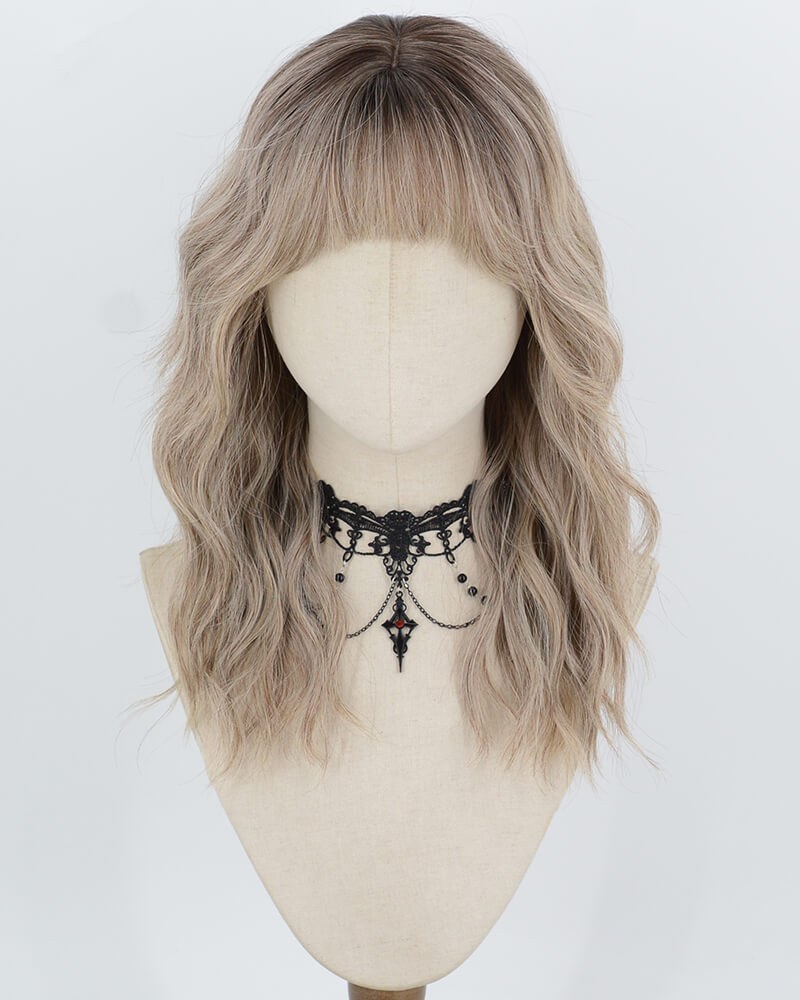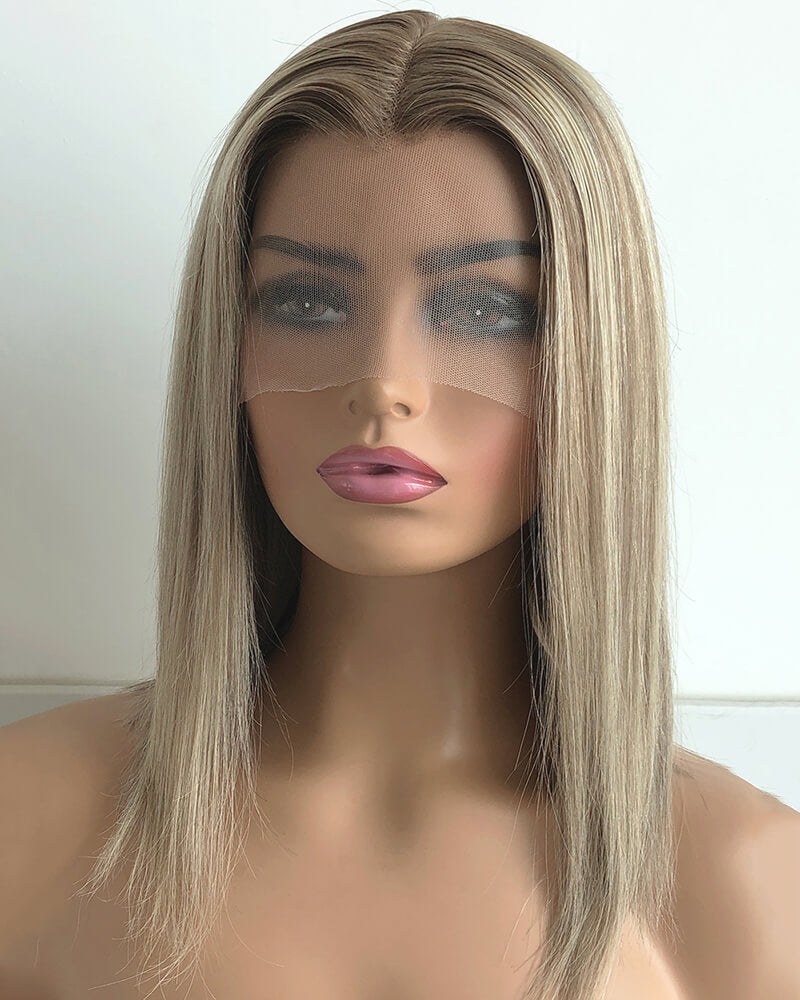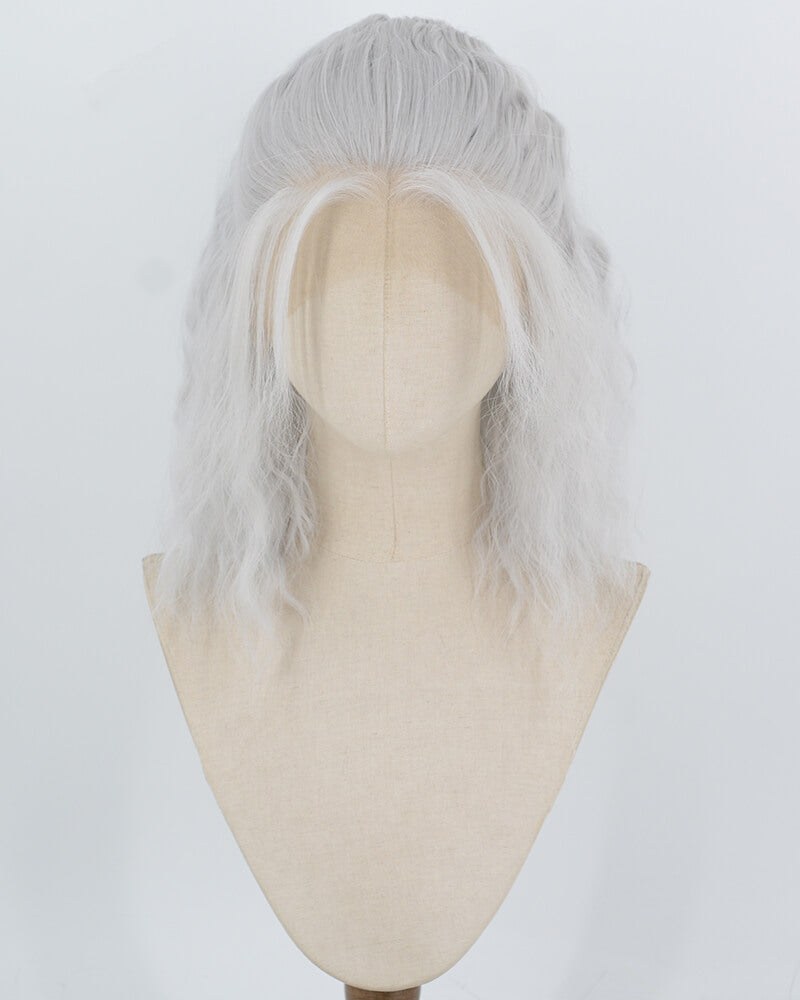
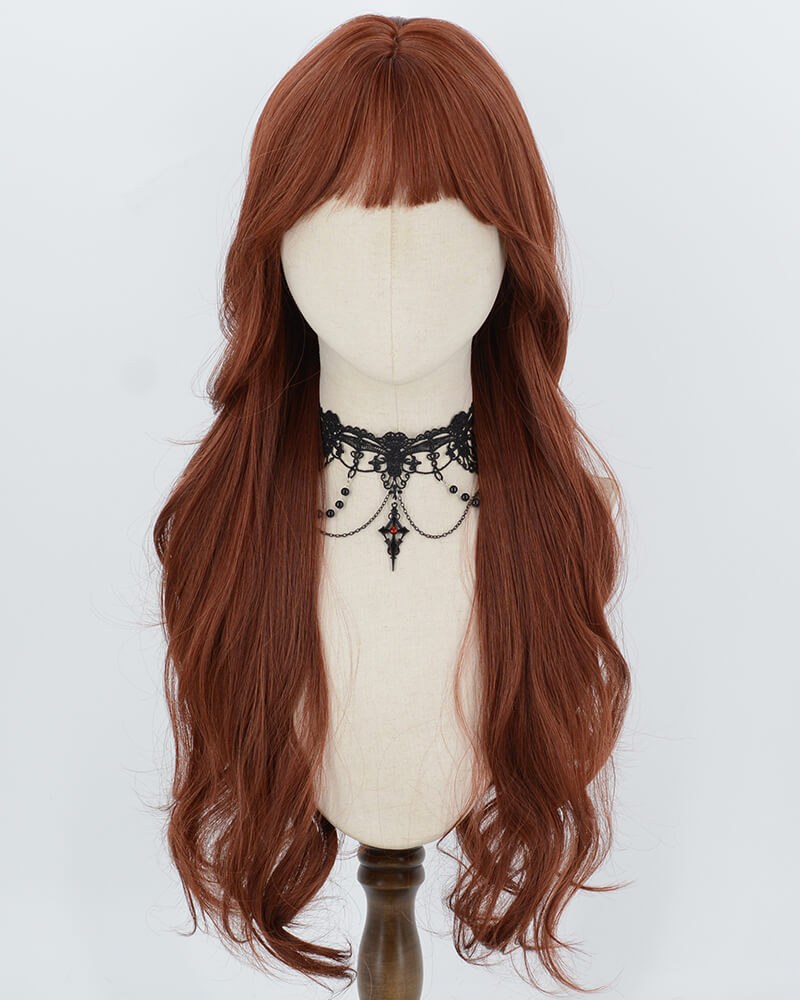
Long wavy wigs can look effortless and natural when you match your styling process to the wig’s construction. The same brushing or parting technique that works on one cap can flatten waves or reveal tracks on another. This guide walks through careful pattern separation, dressing (laying the hair), and parting strategies tied to cap types and real-world handling so your long wavy wig reads like natural hair.
Understand the cap construction before you start
Begin every styling session by checking the wig’s construction. Lace-front wigs, monofilament tops, full lace wigs, and standard wefted caps all interact with waves differently:
- Lace-front: offers a realistic hairline and allows off-the-face parting but still has wefts behind the lace. Hair density near the lace can be different from the back.
- Monofilament: gives natural-looking parts at the crown but the hand and density can be uniform or slightly reduced compared with the nape.
- Full lace: provides maximum flexibility for parting but requires careful handling to keep knots and t-parts hidden.
- Standard wefted caps: are more structured; parting is strongest along the weft lines and waves will tend to fall with the seams.
Take note of where the lace, monofilament, or wefts sit and how dense the hair is across the cap. This informs whether you’ll use delicate finger separation, a wide-tooth comb, or light heat to reshape waves.
Start with the right foundation: detangling and humidity control
Long wavy wigs are more prone to tangling, especially at the nape. Begin by gently detangling from ends toward the roots with a wide-tooth comb or a detangling brush designed for wigs. Work in sections and avoid yanking. If the wig is synthetic and labeled for steaming, use steam to relax and reshape waves rather than brushing aggressively. For human hair wigs, lightly misting with a water-based leave-in conditioner can soften tangles before you separate patterns.
Pattern separation: preserve wave groups to maintain depth
Pattern separation means defining and reinforcing groups of waves rather than brushing individual strands into a uniform mass. This keeps texture and depth, which reads as natural movement.
- Use your fingers or a wide-tooth comb to outline where natural wave groups fall—usually 1–2-inch vertical sections for long waves.
- Reinforce each group by scrunching with a light product (for human hair or heat-safe synthetics) or by using steam to reset the pattern on synthetic wigs.
- Avoid overworking adjacent groups at once. Focus on one section, form the wave, then move to the next. This prevents flattening and helps retain volume.
For lace-front and full lace wigs, start pattern separation at the hairline and work back; for wefted caps, begin along the crown where the wefts dictate fall and follow their direction.
Dressing the wig: laying hair and respecting directionality
Dressing is the process of arranging the hair so it lies naturally on the head. Long wavy wigs need careful dressing to avoid visible caps or unnatural bulk.
- Place the wig on a mannequin head or your own head and secure it with pins or combs to maintain position during styling.
- Observe the direction in which the hair naturally parts from the cap construction. Dress hair to follow that direction—forcing waves to fall differently creates tension and can show cap lines.
- Use your palms and fingers rather than a brush to smooth the surface. Palming lays waves without compressing them.
- For lace-fronts, place special attention on the hairline: lightly laying baby hairs or gently smoothing the lace edge will enhance the illusion of skin. Don’t pile hair right at the lace; thin the adjacent area slightly if density is heavy, following the vendor’s shaping recommendations.
Parting according to construction: practical approaches
How you create a part should depend on cap type and where the hair density supports it:
- Lace-front and full lace: You can create off-center or side parts. Use a rat-tail comb to define a precise line on the lace, then slightly loosen the hair along the part with fingertips to mimic a scalp. If the lace doesn’t match your skin tone exactly, place the part where the lace edge is easiest to conceal.
- Monofilament: These tops give realistic parting at the crown. Define the part with a comb, then reinforce the appearance of a scalp by slightly separating the hair on either side and using a powder or fiber that matches your skin tone if needed.
- Wefted caps: Large, clean center parts can look artificial if the cap doesn’t support them. Stick to softer, off-center parts that follow the weft direction unless the cap has a designated parting zone.
When in doubt, trial a few part placements and step back under natural light to see where the hairline and part look most believable.
Shaping waves with heat and non-heat methods
The method you choose depends on whether the wig is human hair or heat-safe synthetic. Always check product labels before applying heat.
- For human hair: use curling irons or wand tools sparingly to redefine waves, then cool the section while holding the shape for longer-lasting results. Follow with light styling product to hold definition without stiffness.
- For heat-safe synthetics: low-heat tools or steam can reset patterns. Use a method compatible with the fiber—some synthetics respond best to steam rather than direct heat.
- For heat-restricted synthetics: employ braid-and-steam or pin-curl methods to create waves. Leave the shaping in place until fully cooled to set the pattern.
Regardless of method, finish by blending shaped sections into surrounding hair with finger separation to avoid obvious transitions between newly formed waves and original texture.
Finishing products and placement for a natural finish
Product placement matters as much as product choice. Heavy application can weigh down waves and expose cap lines.
- Use lightweight mousses or creams applied sparingly through the mid-lengths and ends—avoid saturating the roots unless the product is specifically meant for scalp application.
- Apply a small amount of serum or oil only to ends to reduce frizz and add shine; too much near the hairline or part can make the lace or part look oily and obvious.
- For invisible parts, a small dusting of root powder or colored fiber along the parted area can reduce shine and enhance the illusion of scalp.
Maintenance between wears: preserve the pattern
How you store and refresh long wavy wigs directly affects their long-term appearance.
- Store on a wig stand or mannequin head that preserves the cap shape; for travel, use a soft-lined wig box and loosely braid the hair to keep waves intact without compressing them.
- Between wears, refresh waves by lightly steaming or finger-scrunching with a small amount of leave-in product rather than brushing repeatedly.
- Follow the care instructions specific to your wig—washing, conditioning, and detangling routines differ between human hair and synthetics and among different constructions.
Troubleshooting common issues
Even with care, issues can arise. Here are practical fixes:
- Flattened crown: Gently lift the area with fingers and apply a little volumizing spray at the roots; if the cap is wefted, encourage the hair to fall away from the weft lines when shaping.
- Visible tracks or wefts: Create small, soft waves that break the straight line of the weft, or adjust part placement to mask the area. For lace-front wigs, thin hair near the lace slightly following care guidance if density is heavy.
- Stiff or gummy sections after product use: Use a small amount of clarifying wash suitable for the fiber and recondition; avoid over-applying styling products in a single area.
Where to find compatible accessories and professional help
Accessories like wide-tooth brushes, wig stands, clips, and heat tools labeled for wigs make styling reliable. ARIS BEAUTY SUPPLY carries a range of options in our accessories collection; consult product pages for compatibility. If you need reshape services or a custom hairline tweak, contact experienced wig stylists who understand cap constructions—ARIS can provide guidance and wholesale inquiries for stylists through our wholesale and contact pages.
Conclusion: work with the wig’s structure for the most natural result
Long wavy wig styling is less about forcing a look and more about reading construction and responding. Identify the cap type, protect wave groups through careful pattern separation, dress hair in the natural direction, and choose part placements that the cap supports. With gentle shaping, mindful product placement, and correct storage, your long wavy wig will keep a natural finish wear after wear. For product options and more care guidance, browse our collections, explore specific lace-front and human hair options at lace-front wigs and human hair wigs, or learn recommended maintenance routines on our care page. If you’re ordering or planning a restyle, send inquiries to ARIS—orders begin with email confirmation rather than direct online checkout; see shipping and returns policies before you request a quote.