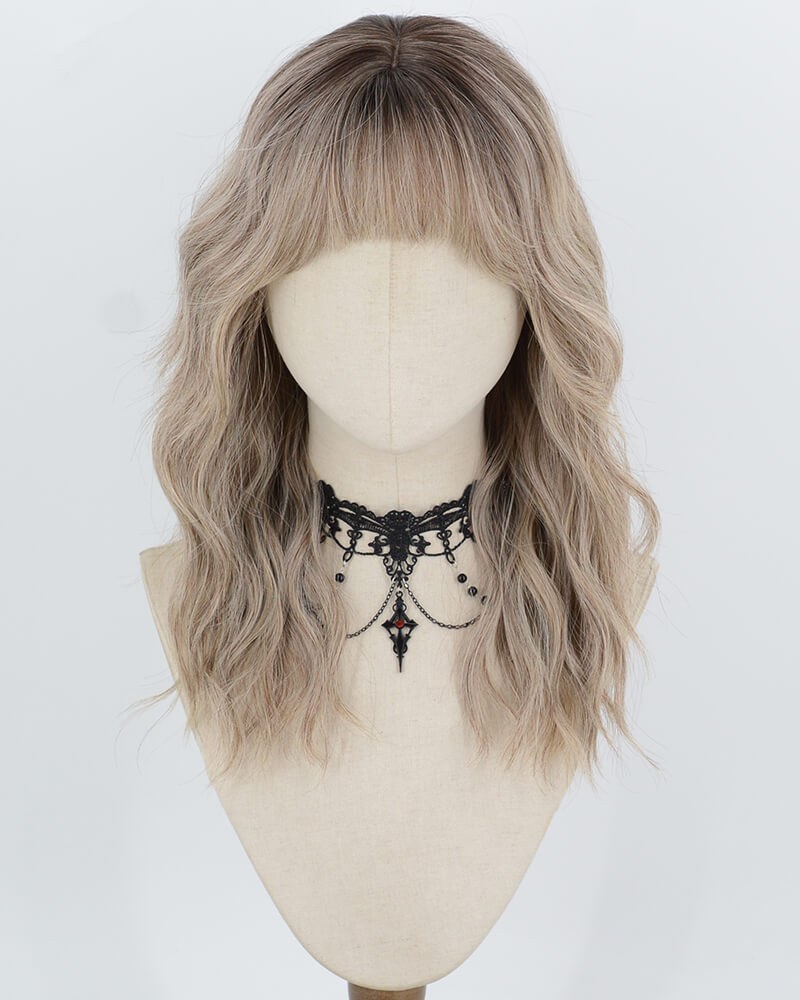
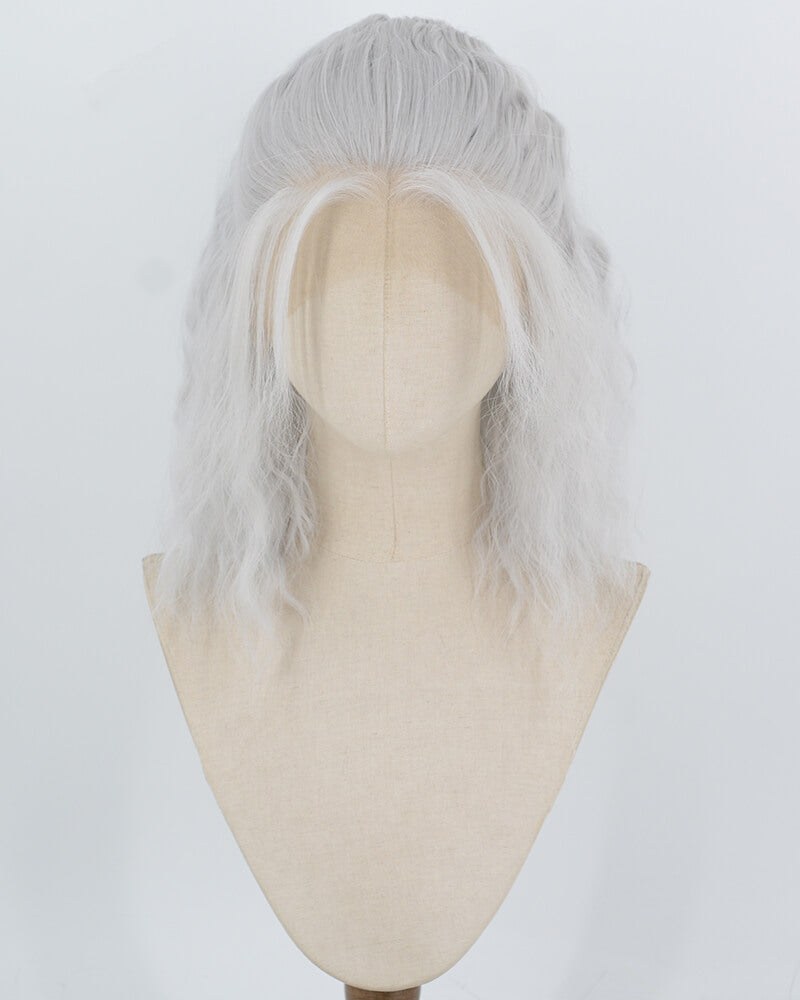
Curly wigs add instant style and volume, but many people avoid them because they think maintenance will be time-consuming. With a few reliable steps for fit, shaping and a streamlined morning process, a curly wig can become as routine as brushing your teeth. This guide focuses on practical adjustments and fast, repeatable actions so your wig looks polished without long styling sessions.
Start with a secure, comfortable fit
A wig that shifts or pinches will never feel routine. Begin by confirming the cap size and adjustability. Most commercial wigs have elastic straps or combs; position these so the wig sits snugly but not tight along your natural hairline and at the nape. If you have active days or will wear the wig for long hours, consider a wig cap underneath to keep your own hair contained and reduce slipping.
For a curly wig, paying attention to front placement is especially important. Too far back exposes cap lining and too far forward can create an unnatural hairline. Use small, discreet wig clips or bobby pins at the temple and behind the ears if you need extra hold. Test the placement by moving your head in typical daily motions — look up, down and side to side — to make sure it stays in place.
Shape the silhouette for your face and daily needs
Curly wigs often have a natural volume that can be shaped to suit your daily style. Decide whether you want the wig to frame your face closely, sit with soft volume, or maintain its fullest shape. Use your hands, a wide-tooth comb, or a designated detangling brush only when the curls are dry; wet brushing can loosen curl pattern or cause frizz with many synthetic and human-hair curly wigs.
To reduce bulk without altering curl pattern, gently pull a small amount of hair from the under layers and secure it at the nape with a clip. This lifts the overall silhouette and prevents the wig from looking round on top. Conversely, if you prefer more drama, puff the roots lightly at the crown and use finger styling to open the curls.
Create a 5–7 minute morning process
A repeatable, short routine prevents over-styling and keeps the wig consistent day-to-day. Here’s a quick sequence you can adapt to your wig’s material and your schedule:
- Inspect the cap placement and secure any needed clips.
- Fluff the roots and crown with your fingers to restore volume.
- Gently separate a few curls to remove any clumps or tangles at the ends.
- Apply a light mist of leave-in product recommended for the wig type to refresh curl definition, if the manufacturer suggests it.
- Final check of hairline and bang placement; reposition if necessary.
Practicing this sequence a few times will make it automatic and fast. Keep the essential tools—wig brush, clips, and chosen product—on a tray near your mirror to avoid morning searches.
Daily detangling without damage
Curly wigs tangle differently than straight wigs: tangles often occur at the ends and in the under layers. Avoid vigorous brushing. Instead, work from the tips upward with your fingers or a wide-tooth comb. Hold the hair above the tangles to minimize stress on the cap and knots.
If you must detangle after sleeping or long wear, mist lightly with a product suited to your wig type before working through knots. Never use concentrated heat or force to detangle; when in doubt, let the wig down and work in small sections.
Nighttime routine to preserve shape
How you treat your wig overnight makes a big difference in morning styling time. For short, daily wear, you can place the wig on a wig stand or mannequin head to help curls keep their shape and avoid flattening. If space is limited, gently twist the wig into a loose, protective updo and secure it with a soft scrunchie; this reduces tangles and maintains crown volume.
If you sweat at night or wear the wig to bed (not recommended for long-term wear), follow the manufacturer's guidance on cleaning frequency and care. Some wigs handle overnight compression better than others—confirm specifics on the product label or care guide.
Refresh curls without a full wash
Full washing is necessary only periodically. For daily refreshes, a small amount of reshaping will do. Use a spray designed for the wig material or a mild leave-in formulated for curly textures. Spritz lightly, scrunch with your hands to encourage curl reformation, then air dry or use a low setting if the manufacturer allows heat styling. Always check product recommendations first; synthetic curly wigs often require different products and methods than human-hair wigs.
For stubborn areas that lose curl pattern, consider a temporary quick re-curl method recommended for the wig type (for example, using foam rollers or finger coils on dry hair with heat-safe synthetics or human hair when heat is permitted). Work in small sections and avoid over-manipulating the wig.
Small repairs and reshaping between salon visits
Minor shaping and maintenance can keep your wig looking fresh without professional intervention. Trimming a few face-framing pieces or tidying bangs can be done at home with sharp shears, but proceed conservatively: cut less than you think you need. If you’re unsure, mark the area with clips and consult a stylist experienced with wigs for a precise trim.
Loose wefts or minor cap issues can often be secured with simple sewing or replacement clips. If your wig requires larger structural repairs, gather product details and reach out to the seller or a professional wig technician to avoid voiding any warranties.
Choose products that match the wig type
Products make a big difference in ease of styling. Lightweight leave-in conditioners, curl definers formulated for wigs, and silicone-free detanglers are common options. Avoid heavy oils and serums unless the product label specifically indicates they’re compatible with your wig, because buildup can weigh curls down and alter the texture.
Test any product on a small, inconspicuous section before regular use. Keep a concise kit with a spritz bottle, a wide-tooth comb, a small detangling brush, and a soft scrunchie or clips. Storing these together reduces decision time in the morning.
Incorporate the wig into your wardrobe rhythm
Make the wig part of your outfit planning rather than an afterthought. If certain outfits pair better with a less voluminous look, practice quick modifications—pinning back sections or slightly flattening the crown—that take under two minutes. For days when you want more impact, plan a quick morning ritual that includes a little extra shaping.
Many people find it helpful to have two curly wigs with slightly different densities or lengths: one for low-effort days and one for statement looks. If you keep multiple pieces, store each on its stand or in breathable storage to preserve shape.
Where to find accessories and help
If you need replacement clips, a wig stand, or products made for curly textures, check accessory options and care guidance from reputable suppliers. For wholesale needs or professional questions, contact the seller to confirm specifics about packs, minimum orders and lead times before placing an inquiry. If you want a new style, review the available lace-front and regular wig collections and consider human-hair options for greater restyling flexibility.
Helpful internal resources you may want to visit: accessories, lace-front wigs, regular wigs, human hair wigs, care, wholesale, and contact for ordering questions. For new arrivals and styling ideas, see new arrivals. Check shipping and returns policies when making a purchase inquiry.
Conclusion
Turning a curly wig into a reliable daily routine depends on three things: a secure fit, a repeatable short morning process, and appropriate nighttime care that preserves shape. Keep a small, consistent toolkit and learn a few gentle shaping tricks that work for your specific wig. Over time those steps will become automatic, and your curly wig will deliver a polished, ready-to-go look every day with minimal fuss.