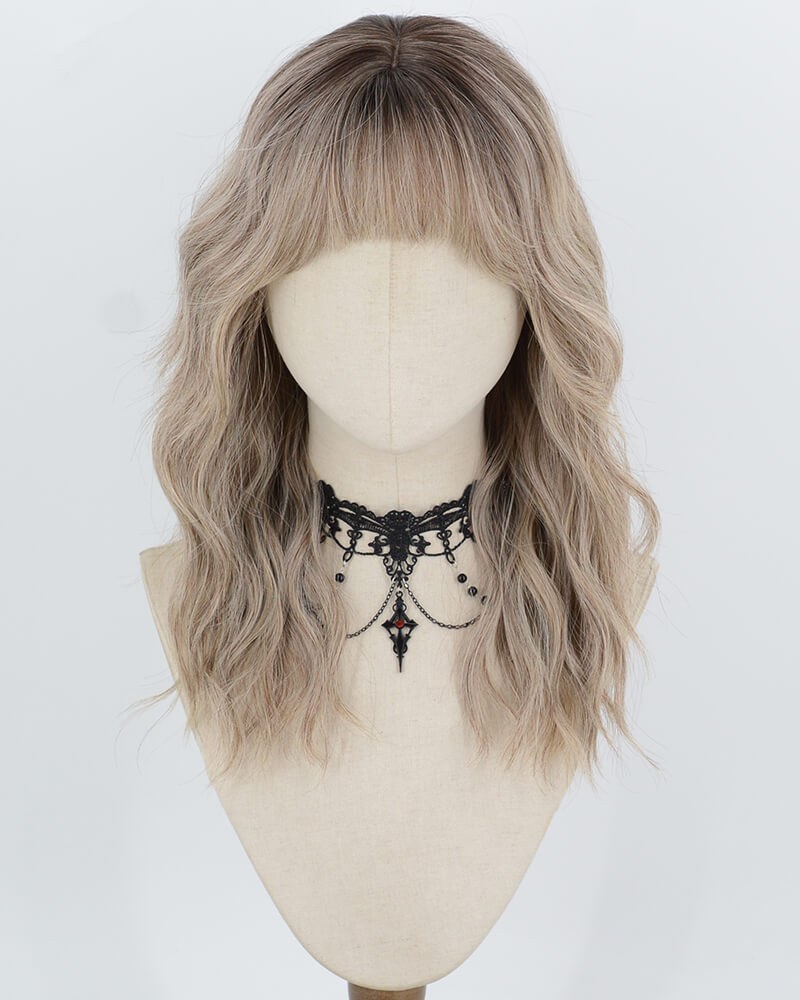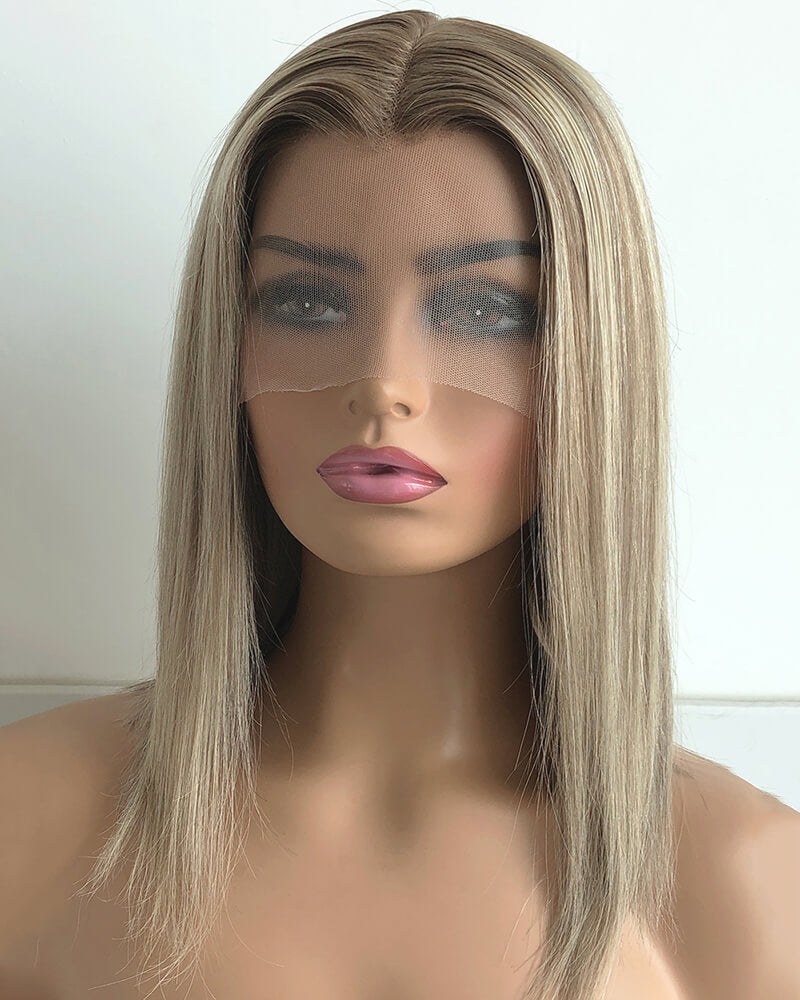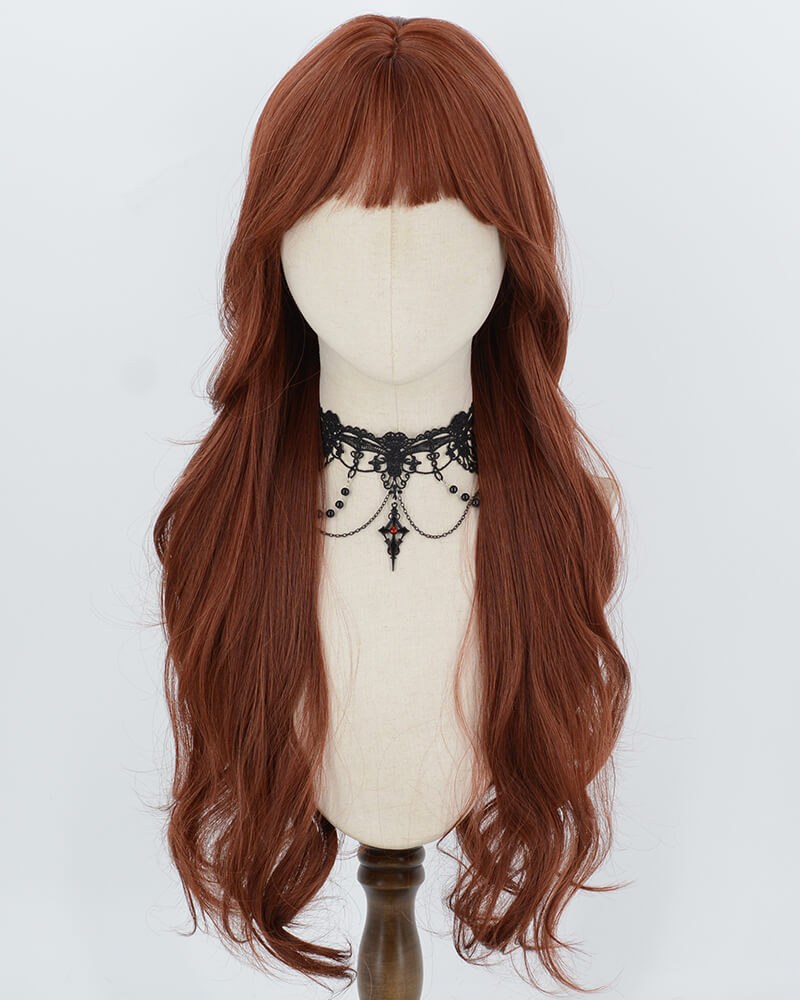
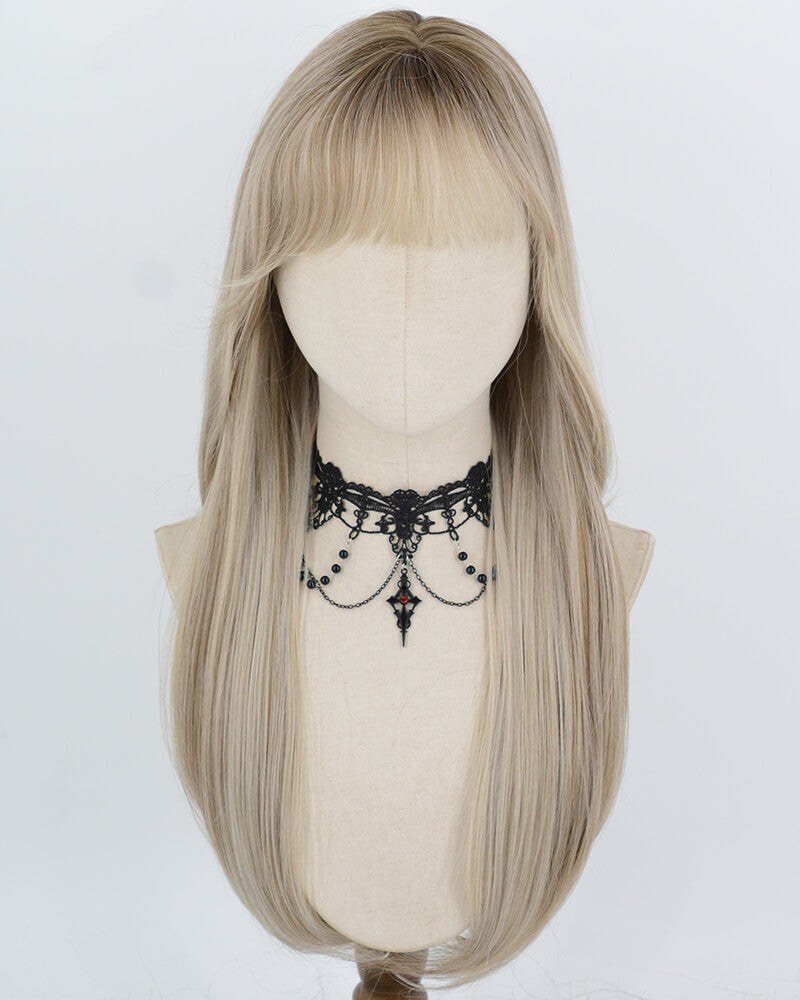
Choosing between a wavy vs curly wig is less about labels and more about silhouette, how length reads, and what upkeep fits your routine. This guide breaks down how each texture behaves on different lengths, how they change perceived volume and shape, and pragmatic care and styling tips so your wig performs as you expect without leaning on stereotypes.
How texture shapes silhouette: waves vs curls
Texture is one of the first visual cues people notice. Waves tend to create a softer, elongated silhouette because they follow a more uniform S-shape along the hair shaft. Curls, especially tighter patterns, build immediate volume and compact shape close to the head. When comparing wavy vs curly wig options, think in terms of outline: waves elongate and flow; curls compress and add density.
Length perception: why the same length can look different
The same measured length on a product tag can read shorter or longer depending on texture. A 16-inch wavy wig will typically appear longer than a 16-inch curly wig because waves fall straighter between bends. Conversely, tighter curls coil up and shorten visible length. When shopping, if you want the appearance of longer hair choose a looser texture or add a few extra inches to the length stated. Check product photos that include the wig on a model or mannequin at multiple angles to estimate how length translates into silhouette.
Face shape and silhouette balance without stereotypes
Avoid rigid rules about which textures suit which face shapes. Instead, focus on balance: if your face appears long, a curly wig with more width can create harmony; if your face reads wider, waves that fall past the shoulders can elongate the line. The key is where volume sits. A wig with curls concentrated at the crown will widen the upper face; curls that start mid-length add fullness lower down and can visually shorten a long face. Consider parting placement and fringe options to refine the silhouette without relying on generic assumptions.
Density, movement and perceived weight
Texture affects how dense hair looks and how it moves. Waves often create the impression of lighter, more mobile hair because the strands swing and separate easily. Curls trap more air and can feel springier. That perceived weight also influences how a wig sits on the head: higher density near roots may demand a sturdier cap and secure fitting method. When evaluating wavy vs curly wig styles, check how the fiber is ventilated and whether the cap is built to support heavier densities without stretching.
Practical daily care: quick differences to expect
Both textures need regular attention, but the specifics differ. Wavy wigs often separate into looser clumps and can be refreshed with light misting and a wide-tooth finger comb or loop brush. Curly wigs are more prone to tangling where curls meet, so detangling should start from the tips and work upward with a comb designed for curls. Use leave-in or conditioning products formulated for wigs in moderation to avoid product buildup that can weigh down waves or loosen curl pattern. Always follow the manufacturer's care label; when in doubt, consult our care resources for product-appropriate steps.
Styling techniques to refine silhouette
Small styling choices shift how texture frames the face. For waves: apply a smoothing cream or light mousse to define S-shapes and reduce frizz, then scrunch gently to encourage movement. For curls: use a curl-defining cream or gel applied by praying hands to keep individual coils defined and reduce flyaways. Avoid brushing curly wigs when dry — instead, rehydrate and detangle in sections. Heat styling can alter texture; if you plan to use heat, confirm the wig’s fiber type and cap construction and work with low heat and protective products when allowed.
Choosing cap structure and parting for your desired silhouette
Cap design affects how texture sits and where volume concentrates. Lace fronts create a natural hairline and allow for off-center parts that change how waves or curls frame the face. Monofilament tops offer realistic parting and help control where volume appears. If you want a wig that keeps volume at the mid-length or below, look for styles with layered cutting; to maintain fullness at the crown, choose designs with built-in density there. Review cap photos and description details before deciding.
Color, highlight placement and texture interaction
Color and highlights influence how texture reads. Subtle highlights along the face-framing layers brighten the silhouette and draw the eye to length; highlights concentrated in tight curls can increase perceived density and depth. For wavy vs curly wig choices, request swatches or look closely at lighting in model photos. Remember that shine differs by fiber type — human hair tends to reflect light differently than synthetic — and that impacts how waves and curls are perceived from a distance.
Transport, storage and maintaining silhouette between wears
How you store and transport a wig affects its silhouette. For waves, hanging on a wig stand or padded mannequin head helps preserve flow and prevents flattening. Curly wigs keep shape best in a breathable net or upright on a stand to avoid compressing coils. When traveling, fold a wig in a soft satin bag with tissue to protect curls from tangling; for wavy wigs that can be reset quickly, a low-profile case is often sufficient. Check storage recommendations in our care section for fiber-specific tips and product suggestions.
Shopping checklist for choosing between wavy and curly
- Examine model photos showing length and parting; compare how the same length reads in different textures.
- Identify where volume is concentrated and whether you want width at the crown, mid-length, or ends.
- Confirm cap type (lace front, monofilament, basic cap) to ensure desired parting and hairline realism.
- Review care recommendations and confirm the fiber type to match your maintenance comfort level.
- Ask about density and whether layering is used to shape silhouette without adding unwanted bulk.
Where to learn more or see texture examples
Explore our catalog pages to compare silhouettes in person. Visit the collections page to start, or jump to lace front and regular wig collections for specific cap styles and photos. For human hair options where heat and reshaping are more versatile, check the human hair wigs section. Our care page provides product-appropriate maintenance steps to keep your chosen texture looking its best.
Choosing between a wavy vs curly wig comes down to how you want your silhouette to read, how much upkeep fits your routine, and the cap features that support your style. Take time to compare images, ask questions about density and cap structure, and plan storage and care based on the fiber. With the right considerations you can pick a texture that gives the length, volume, and movement you want without relying on one-size-fits-all rules.
Questions about a specific style or need help matching texture to your routine? Contact us and our team can point you to suitable options, availability, and care guidance. If you’re buying for resale or larger orders, see our wholesale information for next steps.