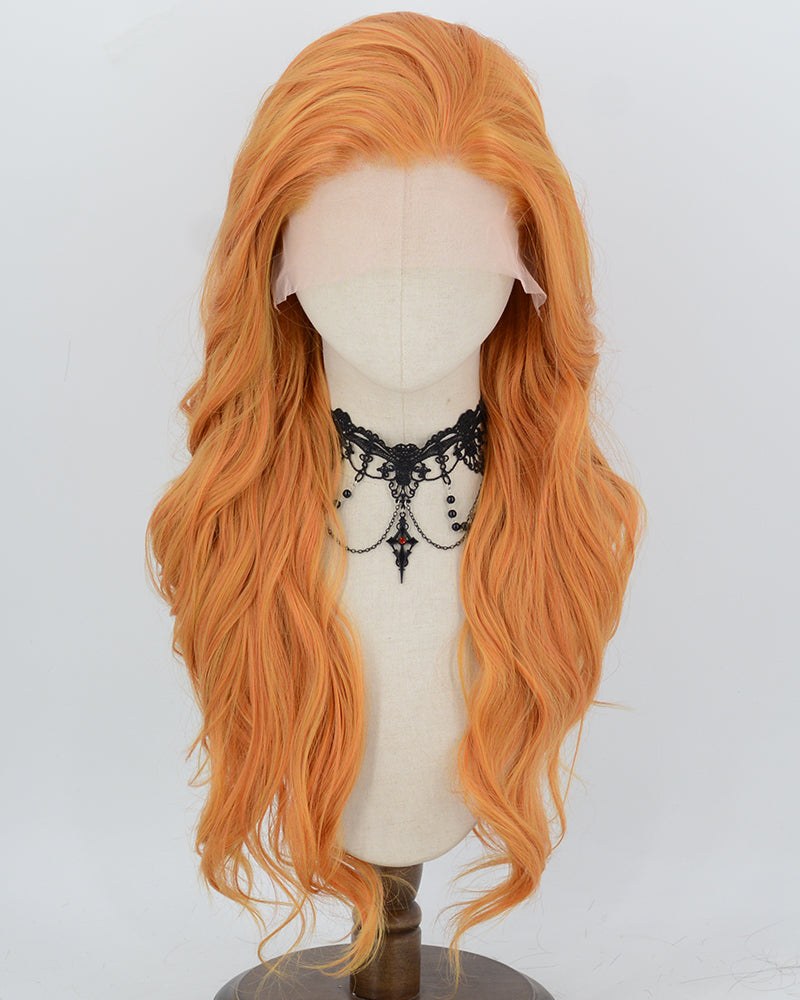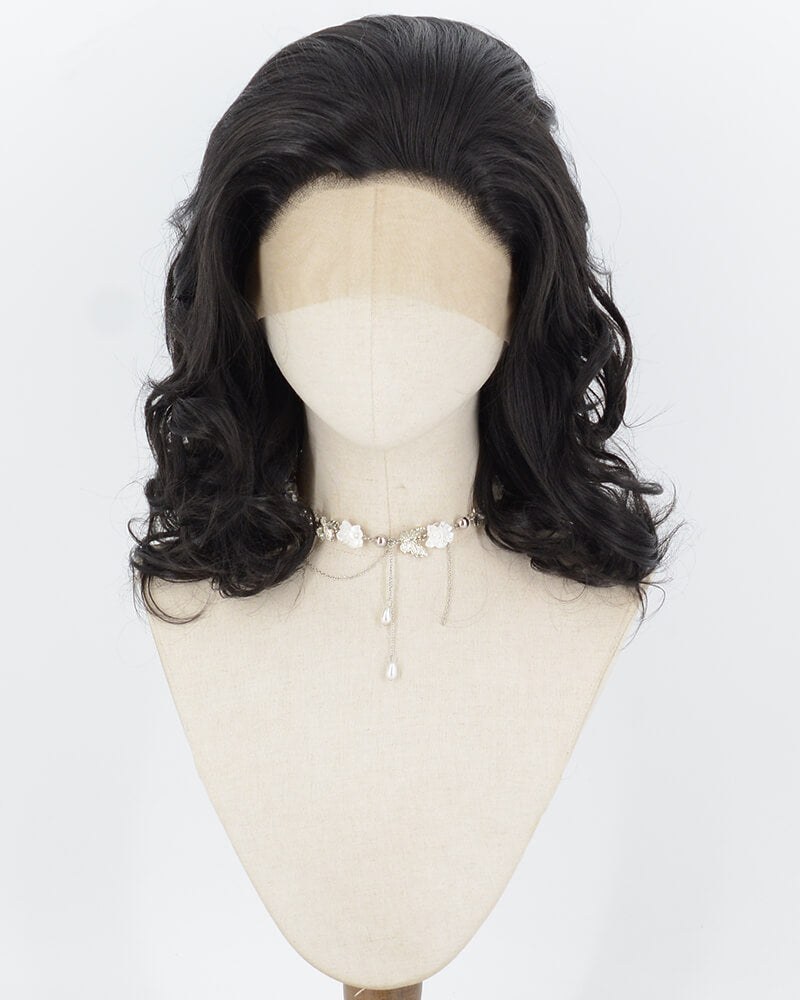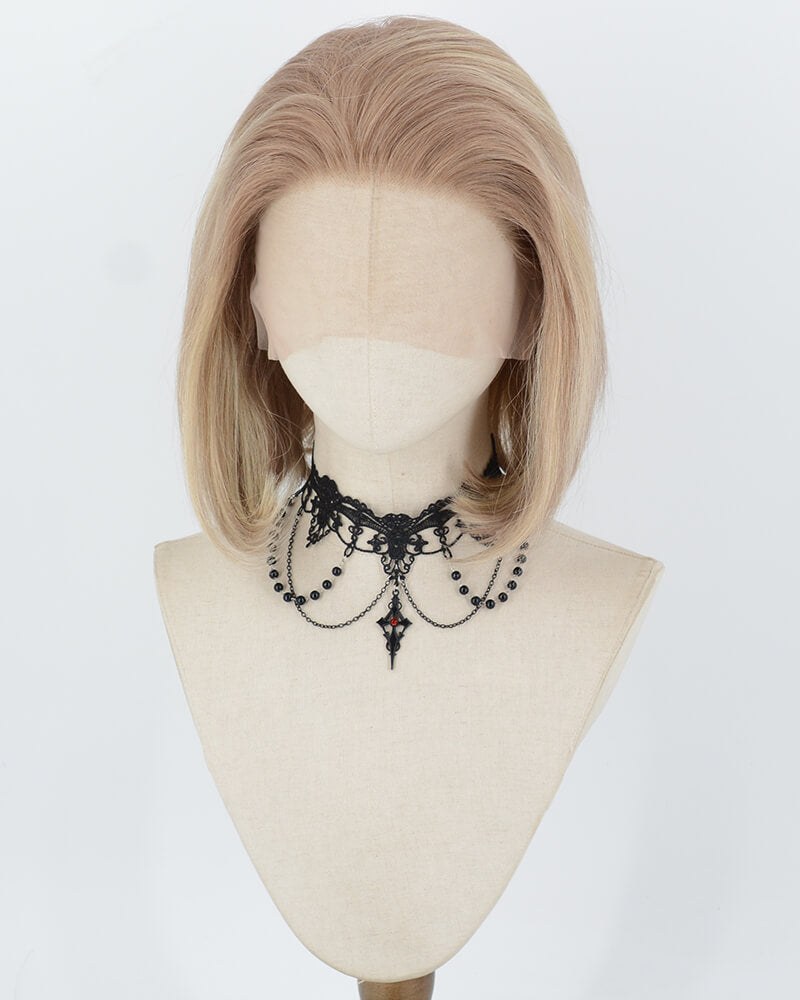
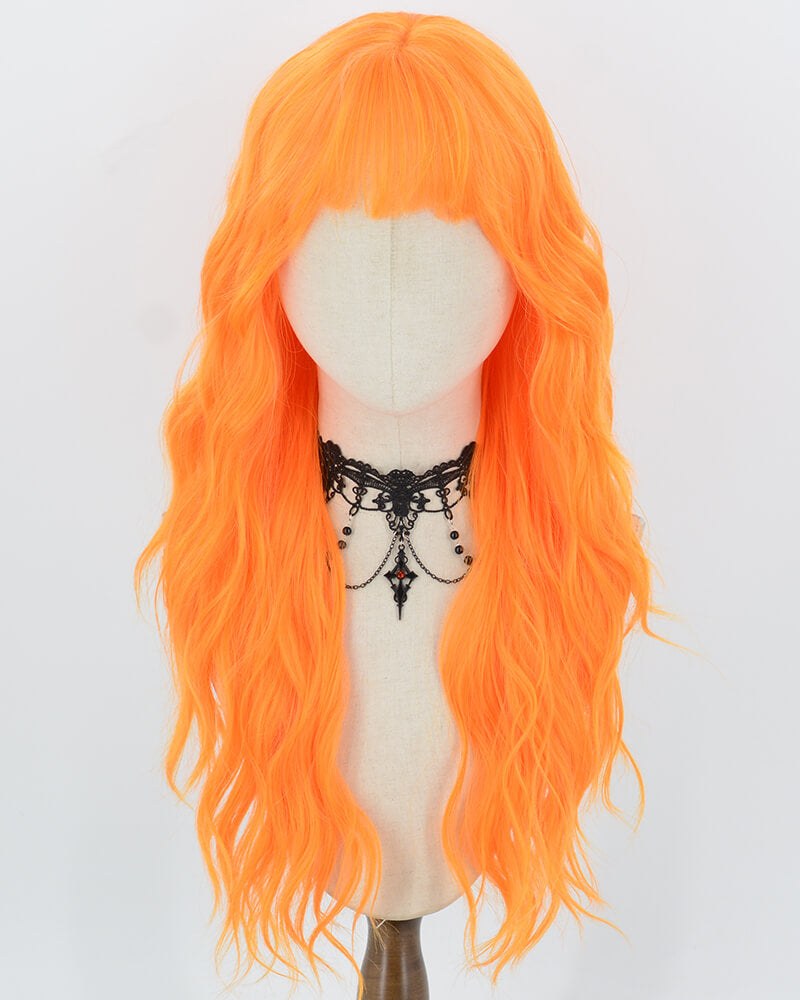
Building a wig wardrobe doesn’t have to mean dozens of styles, colors and storage boxes. Planning a small wig wardrobe—two or three well-chosen wigs—lets you cover daily needs, special occasions and changing moods while keeping care and cost manageable. This guide walks through choosing complementary styles by use, practical caring and storage routines, and simple rotation strategies so a compact collection performs like a larger one.
Start with three use-based roles, not random styles
When your goal is a small, functional set, define each wig by how you’ll use it. Think in roles rather than looks. A reliable approach is to plan for: daily wear, a versatility/work-to-evening wig, and a statement/special-occasion wig. These three roles cover most wardrobes without redundancy.
- Daily wear: Comfortable, low-maintenance, close to your natural look. Prioritize Breathability and an easy cap construction that won’t irritate long shifts.
- Versatility/work-to-evening: A style you can dress up or tone down—slightly dressier than daily wear, with a texture or length that adapts to accessories or styling.
- Statement/special-occasion: A look that feels noticeably different—bold color, dramatic length, or defined texture—for events, photo days, or when you want a mood shift.
Choose complementary silhouettes and lengths
With only a few pieces, aim for contrast between them so each serves a distinct role. If your daily wig is a shoulder-length bob, make the versatility piece mid-length with soft layers, and choose the statement wig long and voluminous or in a distinctive curl pattern. Contrasting silhouettes give the impression of a larger collection because each piece reads as a distinct look. Consider necklines and how the wig pairs with coats, scarves and earpieces to avoid repeated silhouettes.
Match colors thoughtfully to limit duplicates
Color choices are another way to maximize variety. Start with a base color for the daily wig—something close to your natural shade. For the versatility wig, pick a complementary tone (one or two shades lighter or richer) that still reads natural in most settings. The statement wig is where you can introduce fashion colors or highlights. By keeping two pieces in the same tonal family you reduce clashing and simplify maintenance products such as color-safe shampoos or heat-first styling routines.
Material decisions: synthetic vs. human hair by role
Material affects care, styling options and cost. Think about material by role:
- Daily wear: High-quality synthetic can be ideal—low maintenance, styled permanently, and affordable for regular use. Choose heat-friendly synthetics only if you expect to restyle with tools according to the product label.
- Versatility: A human hair or human-hair-blend wig gives styling flexibility—updos, heat styling and more realistic movement. If you need a multipurpose piece, invest here.
- Statement: Either material can work depending on the desired look. Synthetics offer dramatic styles with little upkeep; human hair allows long-term restyling but requires more care.
Keep in mind that sourcing, care and expectations differ. Check product care instructions before choosing, and if purchasing wholesale or in bulk, confirm details with us via our contact pathway.
Cap construction and fit for daily comfort
The cap matters most for pieces you plan to wear often. For daily wig wardrobe planning, prioritize breathable caps, adjustable sizing, and a secure fit. Lace-front caps give a realistic hairline for front-facing roles like the versatility piece. For daily wear, an open-wefted cap reduces heat and weight. If you’re uncertain about fit, try a wig on in similar caps before committing, and review the product details in our regular and lace-front collections: regular wigs and lace-front wigs.
Build a simple rotation and care schedule
Rotation preserves style and prolongs life. A practical schedule depends on how often you wear each wig, the material, and its activity level (exercise, hot environments, etc.). For a small wardrobe, rotate daily and versatility pieces more frequently than the statement wig. General actions that make rotation effective:
- Let a wig rest between wears to air out and regain shape.
- Use light brushing and targeted cleaning—follow the manufacturer’s care instructions in our care resources—rather than full washing after every wear.
- Reserve heavier styling or heat work for when damage risk is low and you have time for proper maintenance.
Essential accessories to support a small collection
When you have fewer wigs, the right accessories extend their usefulness. A modest kit should include:
- A sturdy wig stand or mannequin head for shaping and overnight storage.
- Adjustable wig caps in neutral shades to secure hair under the wig and protect liners.
- A soft-bristle wig brush and wide-tooth comb for detangling without tearing fibers.
- Velvet or breathable storage bags to protect wigs from dust while avoiding moisture traps.
Find a selection of suitable items in our accessories collection. When you limit the number of wigs, investing in quality accessories pays off quickly.
Smart storage to maintain shape and reduce maintenance
Proper storage reduces styling time and fiber damage. Key principles:
- Store wigs on stands or mannequins to hold cap shape and reduce tangles.
- Keep wigs out of direct sunlight to prevent color fading.
- For longer-term storage, cover wigs with breathable bags and place in a cool, dry location. Avoid plastic bags that can trap moisture and odors.
- Label storage with style notes (length, base color, cap type) so you can quickly choose the right piece for the day.
A small wardrobe becomes far more functional when each wig is stored to minimize daily prep time.
Streamline purchases: try before you multiply
Because you plan a compact set, each purchase should be intentional. Try to test a wig—or at least closely review cap specs, fiber type and length—before adding it to the rotation. Use these decision checkpoints:
- Does this wig fulfill one of your predefined roles?
- Will its care needs align with your routine and the other wigs you own?
- Is the cap comfortable for extended wear under real-life conditions you expect (work, commuting, exercise)?
Keeping a checklist like this prevents overbuying and mixed-care problems. If you’re buying for multiple people or need quantity information, check our wholesale page or contact us to confirm MOQ, packing, and lead times.
Examples of three-piece wardrobes for different lifestyles
Below are compact setups tailored to common needs—use these as starting templates, not prescriptions:
- Office professional: Daily—straight shoulder-length lace-front in a natural brown; Versatility—mid-length layered human-hair blend for styling into a low bun; Statement—polished gloss synthetic in a deep mahogany for evening events.
- Active lifestyle: Daily—lightweight, short synthetic pixie for low maintenance; Versatility—heat-friendly synthetic bob that can be smoothed or tousled; Statement—long wavy synthetic with defined curls reserved for weekends.
- Creative/fashion-forward: Daily—natural base color long bob to ground looks; Versatility—human-hair blend with subtle balayage for multi-day styling; Statement—bright fashion color synthetic for shoots and events.
Each example keeps material and cap reasoning consistent so you don’t end up with incompatible care requirements.
Conclusion: fewer wigs, better choices
Planning a small wig wardrobe around functional roles—daily wear, versatility, and statement—lets you cover most needs with two or three styles. Prioritize cap comfort for everyday pieces, choose materials that match intended styling frequency, and invest in a few accessories and storage solutions to protect your investment. A compact collection reduces maintenance time, minimizes decision fatigue, and can look more versatile than a disorganized larger set. If you’re ready to explore options, our collections, human hair wigs and new arrivals pages are good places to start, and our team is available through contact to answer specific product or wholesale questions.
Quick checklist before you buy
- Define the three roles your wardrobe needs.
- Ensure at least one piece is low-maintenance for frequent wear.
- Pick contrasting silhouettes and complementary colors.
- Match material choices to how often you’ll restyle or wash.
- Gather quality accessories and plan a rotation schedule.
With those steps, a small, intentional wig wardrobe will deliver daily comfort, flexible styling and the confidence to make every look feel intentional.