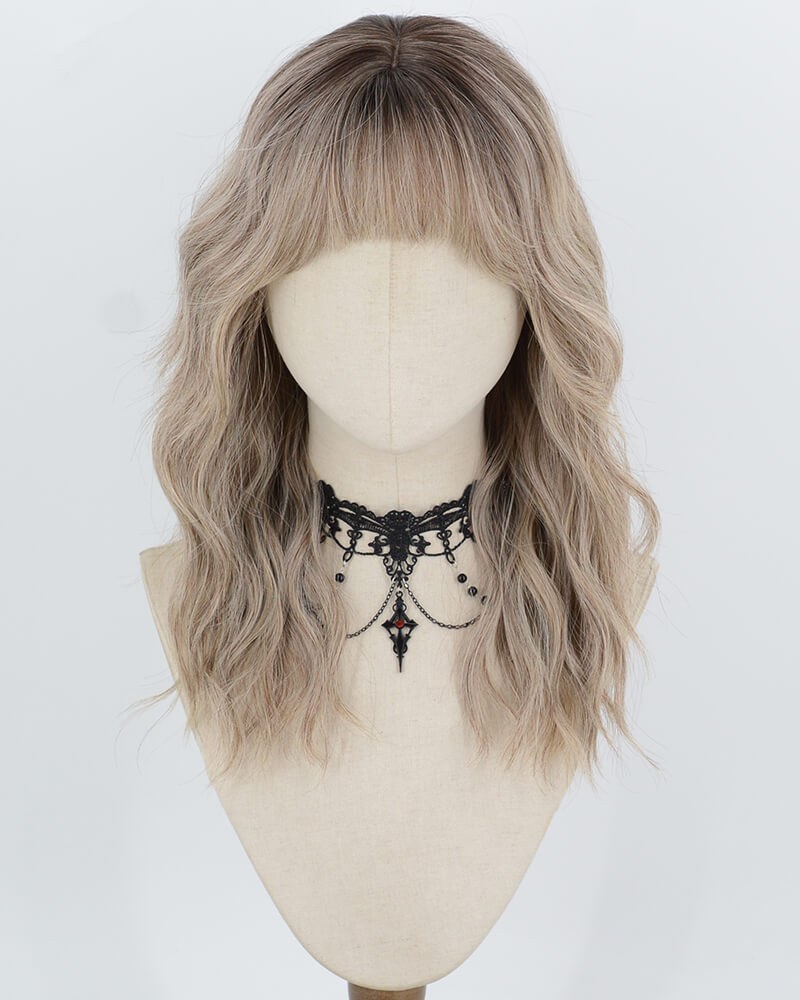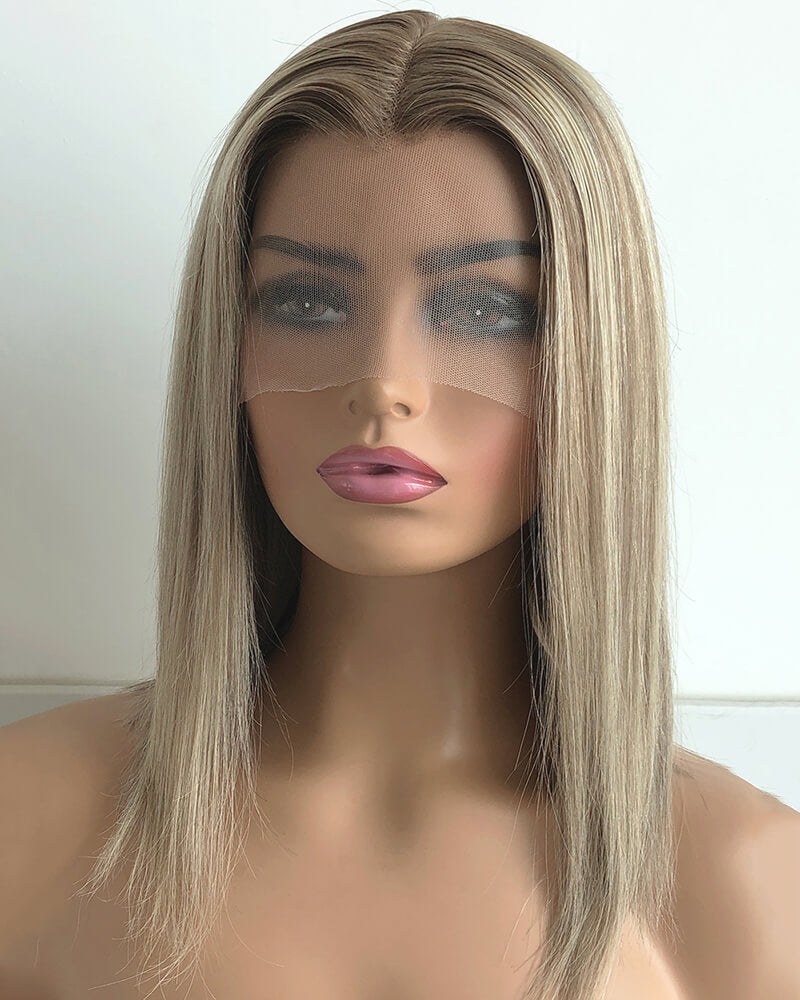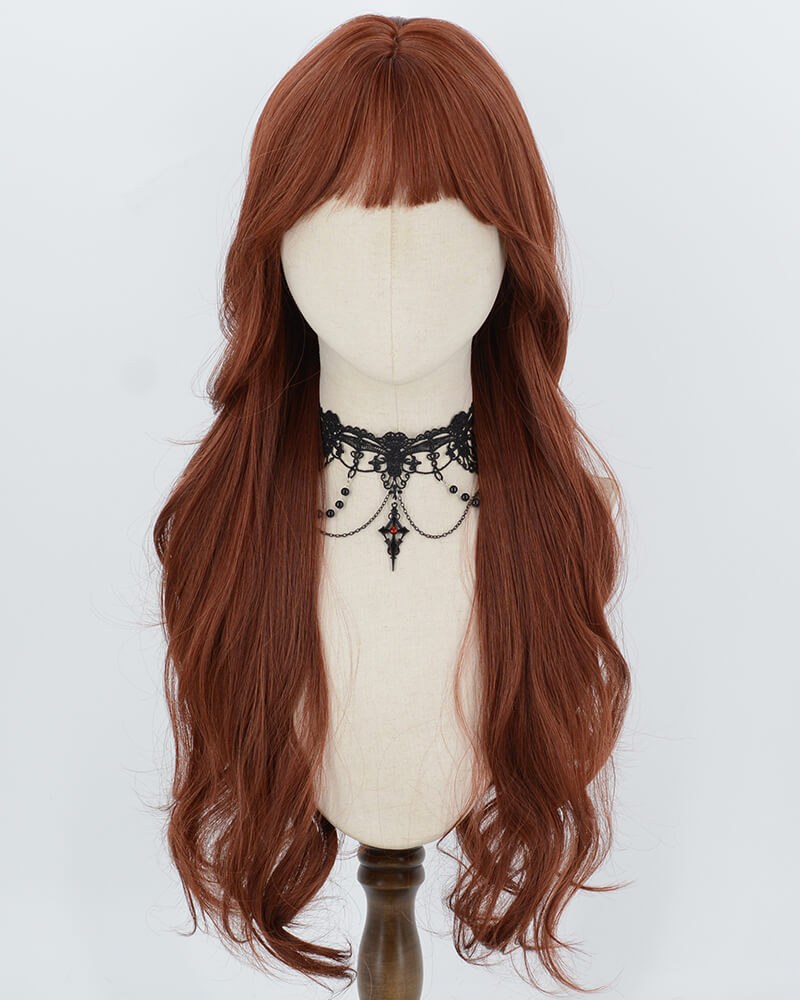
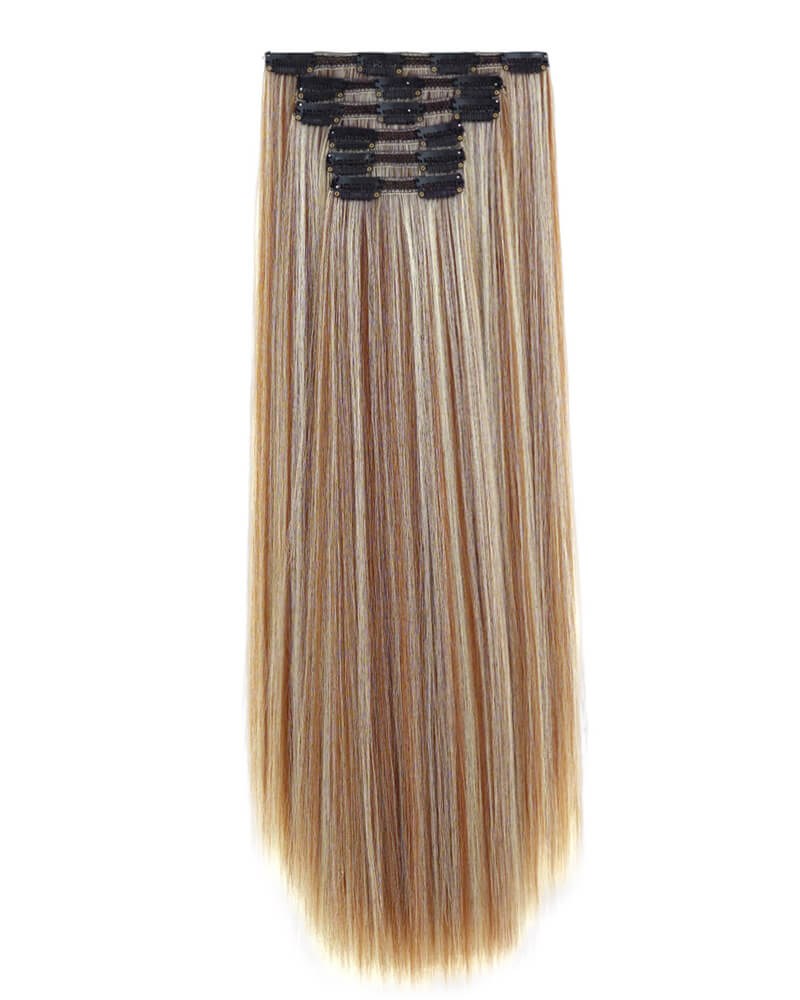
Choosing a wig is more than picking a flattering shape or color — the length you select has a big impact on how the piece behaves during movement, travel, dressing and daily care. This guide breaks down practical considerations so you can match wig length to your everyday life: commuting, workouts, long days away from home, or frequent outfit changes.
How activity level affects wig length decisions
Start by listing the movements you do most often. If your day includes a lot of brisk walking, biking, or public transit, long loose hair will tangle and require more frequent brushing. Shorter or layered lengths move less and often stay neater without intervention. Conversely, if your routine is mostly office-based and low-activity, longer lengths can be worn comfortably with manageable upkeep.
Consider micro-movements too: leaning forward at a desk, frequent turning of the head during meetings, or talking on the phone while walking. These motions can cause longer wigs to brush clothing, catch on zippers, or shift against collars. When activity is frequent and varied, aim for a length that balances the look you want with the lowest maintenance in motion.
Travel considerations: packing, storage and quick fixes
Travel changes everything. Longer wigs take more space in luggage and are more likely to crease. If you travel often for work or pleasure, you have three practical choices:
- Choose a mid-length wig (shoulder to collarbone) that packs better and is quicker to restyle on the road.
- Keep your longest, special-occasion wigs at home and travel with a secondary, easier-to-manage piece.
- Adopt simple in-transit maintenance: use a wig net for packing, fold with tissue to preserve curls or waves, and include a compact brush and a water-based spray for quick touch-ups.
Air travel adds extra factors: cabin air dries fibers and can loosen adhesives on lace-front styles. Keep lace-fronts in a small, breathable pouch and save significant restyling until you reach your destination. For trips where you’ll be in transit for hours, shorter wigs are less likely to tangle in overhead bins or against seatbacks.
Clothing and wardrobe: collars, hoods and fastenings
Your typical wardrobe should directly influence length choice. High collars, scarves, or hooded coats can rub against longer wigs, causing friction and tangling. If you wear hoodies or thick scarves daily, a shoulder-length or shorter wig will sit more comfortably beneath layers and is less likely to catch.
Conversely, if your style favors open-neck blouses, dresses or low backs, longer wigs can create elegant lines and balance proportions. When shopping, try on wigs with garments you wear most often: put on a coat, zip it up, step into a scarf — see how the hair moves and whether it interferes with fastenings like zippers or buttons.
Maintenance time: daily routines and realistic schedules
Be realistic about the time you can commit. Longer wigs generally require more brushing, detangling, and styling time. If you only have 10–15 minutes in the morning, a long wig that needs heat styling or frequent detangling may not be practical. A bob, lob, or layered shoulder-length wig typically requires less daily maintenance while still offering styling versatility.
Create a simple daily checklist tied to your schedule. For a short commute you might: detangle briefly, apply a light leave-in spray, and secure with a minimal clip or adjustable strap. For longer wigs on busy days, plan a short touch-up mid-day: a quick brush and a spritz of conditioning mist can prevent tangles from worsening.
Active and exercise-friendly wig choices
For people who exercise regularly, especially outdoors, length matters for comfort and safety. Long wigs can get caught in gym equipment, interfere with cycling, or trap sweat that accelerates fiber wear. Consider these options:
- Short, sporty styles that stay off the neck and are easy to secure under hats or headbands.
- Medium-length wigs that can be pinned into a low ponytail or bun without excessive bulk.
- Synthetic wig caps or sport-specific caps that wick moisture; paired with a shorter wig they create a secure, sweat-resistant option.
Always test a wig during a light workout before committing it to hard training sessions. See how it reacts to sweat, rapid movement and repeated head turns. If a wig shifts easily, try additional security methods such as wig tape, grips, or adjusting the cap size.
Layering and styling: balancing length with versatility
Length isn't the only factor: cut and layering dramatically influence how a wig behaves. A long wig with face-framing layers moves less around the face than a single-length piece because the weight distribution changes. For someone who wants length but minimal fuss, ask for or choose wigs with internal layering that reduces bulk at the ends.
Consider having one versatile mid-length piece and using accessories (headbands, clips, braids) to change the look. This reduces the need for multiple long wigs, which are heavier and need more storage care. For travel and active days, a single mid-length wig styled differently can cover work, workouts and casual evenings with less effort.
Choosing materials by lifestyle: synthetic vs. human hair
Material affects maintenance and how a length performs in real life. Synthetic wigs often retain a style longer without heat, which can be an advantage for long lengths that you want to keep consistently styled. Human hair wigs offer heat-styling flexibility and a natural movement but usually require more upkeep — particularly at longer lengths where frizz and split ends can appear faster.
Match material to your schedule and activities. If you have limited time and need a length that keeps its shape day-to-day, a high-quality synthetic might be more practical. If you want to change styles often and can commit to regular care, human hair provides versatility but may be better in shorter to mid-lengths for easier maintenance.
Practical tips for keeping longer wigs wearable
If you choose a longer wig, there are specific habits that make daily life easier:
- Use a leave-in conditioning spray formulated for wigs to reduce static and tangles; apply sparingly to avoid buildup.
- Secure hair when you’re active—use low, loose styles or soft clips to keep length from interfering with movement.
- Pack a comb and a small bottle of wig-friendly detangler when traveling; address knots early before they tighten.
- Store long wigs on a stand or in a wig net and bag to maintain shape and reduce creasing during transit.
- Schedule periodic deep-care sessions that follow the manufacturer's recommendations — longer fibers benefit from occasional conditioning and professional restyling.
Matching wig length to specific daily scenarios
Here are examples to help make a concrete choice based on a few common lifestyles:
- Daily commuter with active mornings: choose shoulder-length or slightly above to avoid collar friction and allow quick touch-ups.
- Remote worker with occasional meetings: mid-length or longer pieces work if you can manage short morning styling; keep a lightweight, short wig as a backup for days you want zero fuss.
- Frequent traveler: prioritize packable mid-length styles or reserve long wigs for home use while traveling with a compact, low-maintenance option.
- Active fitness routine: use short, sporty wigs or secure mid-length wigs for workouts and longer styles only for non-active days.
Where to get help and next steps
If you’re shopping for a new wig, look for styles in our catalog that match the lengths and features discussed, and try them on with the clothing and accessories you wear daily. For fitting, care instructions and to confirm availability, contact us so we can answer details about stock, wholesale or specific pieces. If you travel often, check our accessories for packing and maintenance tools that make life on the go simpler.
Conclusion
Wig length should be a practical choice aligned with how you move, what you wear, and how much time you can spend on upkeep. Shorter and mid-length wigs offer easier maintenance, better travel performance and fewer issues with active days; longer wigs provide drama and versatility but demand more care. Choose a length that complements your most frequent daily scenarios — and keep a simple plan for maintenance, security and storage so your wig looks and feels right no matter where you are.
Explore length options and accessories at /collections/, /collections/regular-wigs/, and /collections/lace-front-wigs/. For human hair options that balance styling flexibility, see /collections/human-hair-wigs/. Find travel-friendly maintenance tools under /collections/accessories/ and read care guidance at /care/. When you’re ready to buy or inquire about quantities and lead time, contact us at /contact/ for confirmation and ordering details.