Buying a wig online or from a catalog means relying heavily on the product description. A clear description saves you time, reduces returns and helps you find a wig that fits your style and lifestyle. This guide walks through the common sections you’ll see—material, construction, dimensions, color, and extras—and gives specific questions to ask when vital specs are missing.
Material: synthetic, human hair and blended options
The material is the single most important detail because it dictates appearance, care and longevity. Most descriptions will note one of three categories:
- Synthetic fiber: Often described by the fiber type (e.g., heat-friendly or premium fiber). The listing may include expected texture—straight, wavy, curly—and finish (matte or natural shine). Synthetic wigs hold a style out of the box but usually require lower-heat restyling or heat-free methods.
- Human hair: Look for specifics like cuticle alignment (Remy is commonly mentioned) and whether the hair is processed or unprocessed. Human hair accepts heat styling and coloring but requires more care and products suited to natural hair.
- Blends: A mix of human and synthetic fibers can offer a balance—natural movement with easier maintenance. Descriptions should indicate the percentage of each when that’s meaningful to performance.
Actionable tip: If the material is just labeled "premium" or "natural look" without further details, ask for fiber type, whether heat is safe, and typical lifespan under regular wear.
Cap construction: how the wig sits and moves
Cap construction tells you how the wig will feel on your head and how natural the parting and hairline will appear. Common terms include:
- Basic/capless: Machine-made rows of wefts sewn onto a cap. Usually lighter and more affordable, but with less realistic parting.
- Monofilament: A sheer mesh at the crown that allows multi-directional parting and a scalp-like appearance where hair is hand-tied.
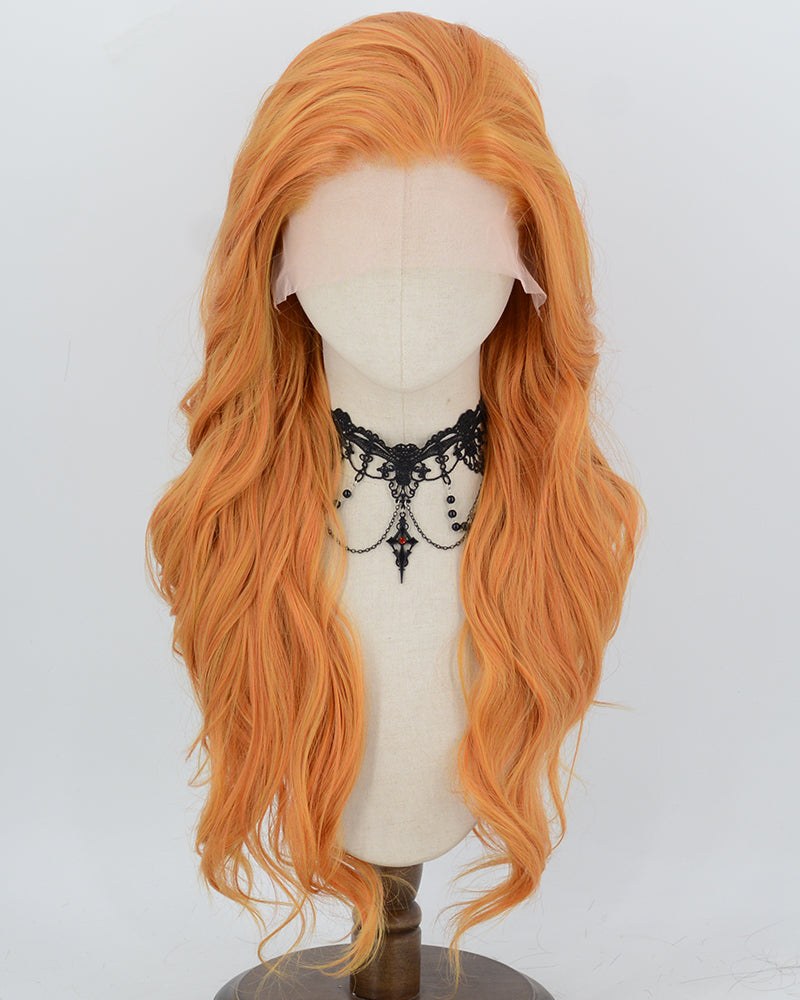
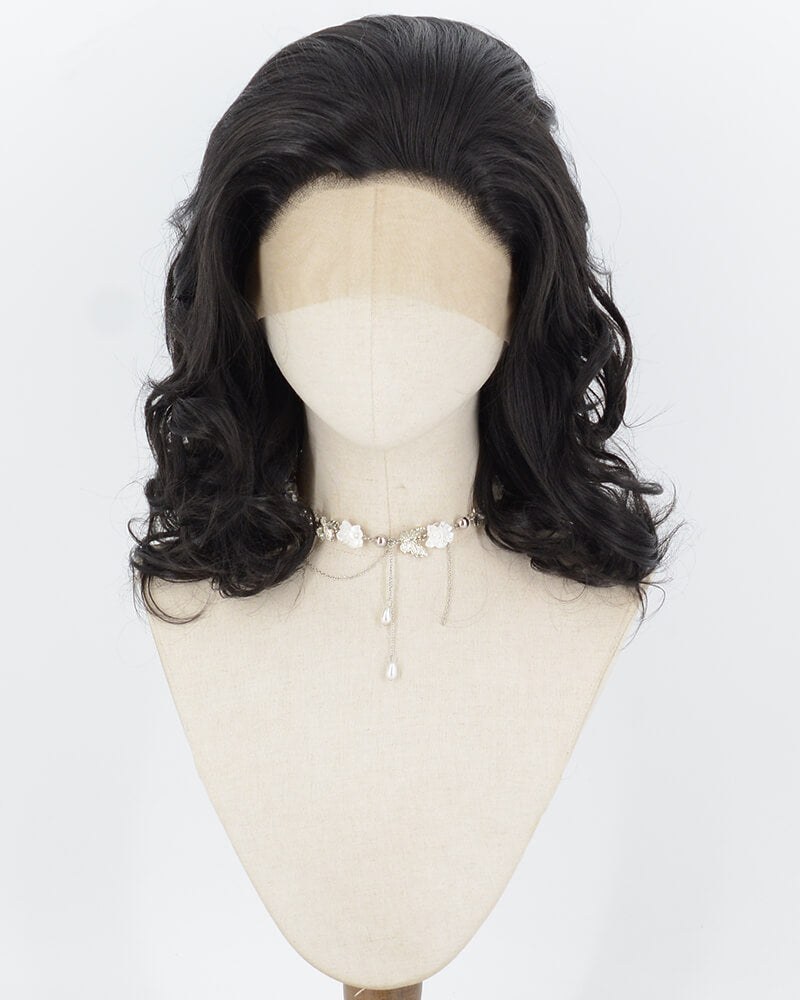
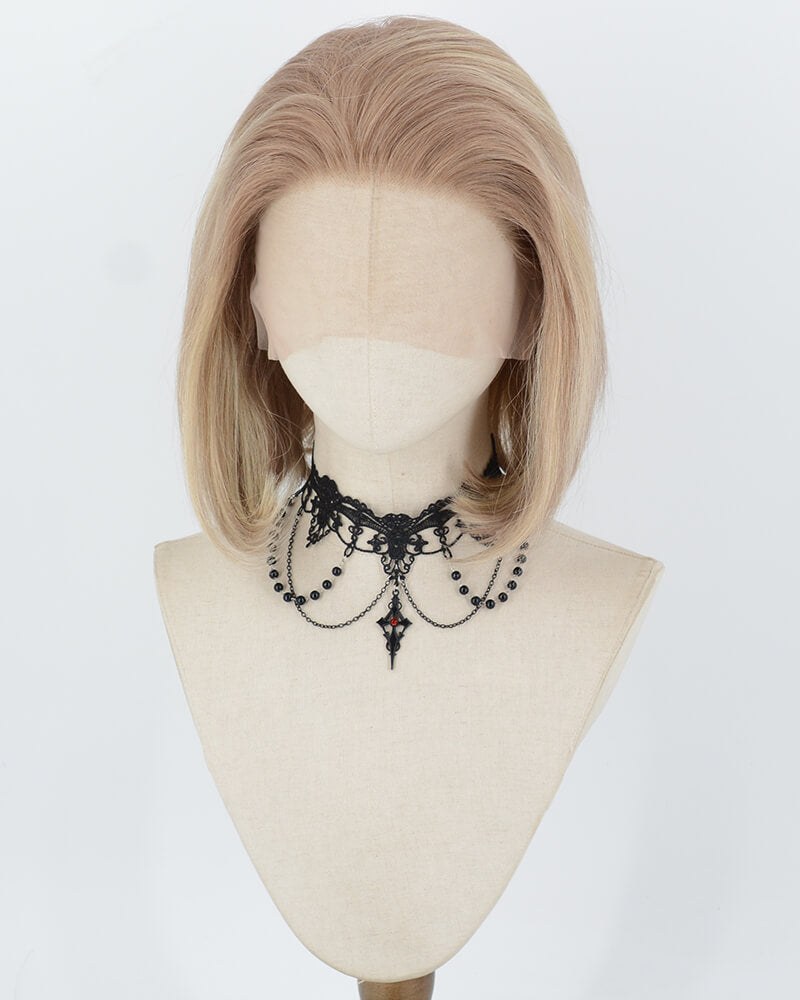
- Lace front: A lace panel across the forehead for a realistic hairline and styling away from the face. Lace fronts appear in many price levels—check the description for lace size and whether it’s pre-trimmed.
- Hand-tied: Each hair is tied to the cap by hand. This construction is most natural-feeling and flexible for parting but usually costs more due to labor.
- Full lace: The entire cap is lace, allowing all-over parting and versatile styling options like updos.
Look for details about adjustable straps, combs, ear tabs and nape adjusters in the description. These affect fit and whether you’ll need additional wig tape or a grip band.
Dimensions and fit: measurements that matter
Size categories (petite, average, large) are only shorthand; the description should include numeric measurements when possible. Key measurements to look for or request:
- Cap circumference: The total length around the inside of the cap. This tells you the basic fit.
- Front-to-nape: Distance from hairline to the base of the neck; affects how the wig covers your head.
- Ear-to-ear: Across the top of the head over the ears—important for lace placements and how natural the hairline looks around the temples.
- Temple-to-temple: Over the forehead, especially relevant for lace fronts.
Actionable example: If your head measures 22 inches and the listing gives a cap circumference of 22–22.5 inches or "average (22")" you’re likely within the intended range. If the seller only says "one size" and you have a specific measurement, ask for the actual cap circumference and front-to-nape measurement.
Length and style details: not just "long" or "bob"
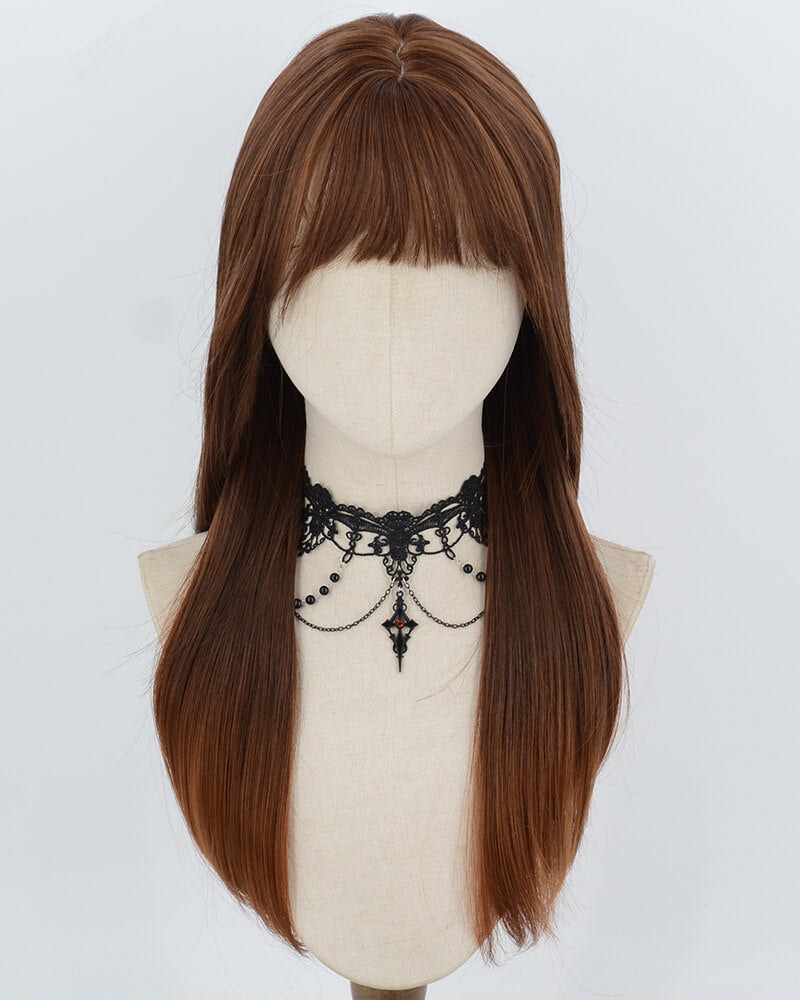
Descriptions should specify how length is measured—usually from the crown or from the hairline—and provide specific inch measurements for different parts (front, sides, back). Also look for layering, bang length, density and whether the style includes perm or pre-set waves.
- Confirm where the measurement starts: crown versus hairline can change the perceived length by several inches.
- Density or weight is often given as a percentage (e.g., 120% density) or grams—this influences volume and realism.
- If styling options matter (updos, ponytails), seek confirmation on cap type; full-lace and some lace-fronts allow higher versatility than machine-made caps.
Color notation: codes, highlights and how to interpret photos
Colors might be listed with numeric codes (commonly used in the wig industry) and descriptive names. A few things to keep in mind:
- Numeric codes reflect base color and highlights—ask the seller to explain their code system if it’s unfamiliar.
- Photos can vary because of lighting, mannequin tones and post-processing. Descriptions should tell you if the wig is multi-tonal, ombré or has hand-tied highlights.
- If exact match is critical (to your skin tone or a rooted base), request an unedited photo with natural light or ask whether a sample swatch is available.
Actionable question to ask when color info is sparse: "Is this a single-color fiber, or does it include highlights/lowlights? Can you provide a natural-light photo on a light and a dark background?"
Extras and accessories: what’s included
Some listings include extras—wig caps, combs, clips, adhesive, or storage bags—while others sell the wig alone. The description should clearly list included items and any necessary items sold separately (like adhesive for lace fronts or specialized shampoos for human hair).
Confirm return or replacement policies for issues like shedding, tangling or lace imperfections. Even if the listing is concise, a seller’s returns or care page can clarify expectations—see their returns and care links for full policy information.
When specs are missing: exact questions to ask the seller
Sellers don’t always provide full specs. When key details are absent, ask concise, specific questions. Prioritize the following:
- What is the exact fiber/material and is it heat-safe? If so, what styling limits apply?
- What is the cap construction (lace front, monofilament, hand-tied, full lace, machine-made)? Is lace pre-trimmed?
- Provide numeric cap measurements: circumference, front-to-nape, ear-to-ear and temple-to-temple.
- How is length measured and what are the front/side/back measurements in inches?
- What is the density (percentage or grams) and are layers pre-cut? Is the styling fixed or restylable?
- What is the exact color code or dye lot? Can you send an unedited photo in natural light?
- What accessories are included and are there recommendations for care products? What is the return policy if the wig doesn’t match the description?
Keep your questions brief and number them—this increases the chance of a complete reply from busy sellers. If you need to follow up, reference the original question number for clarity.
Using product pages on store sites: what to cross-check
Product pages often link to related sections that clarify specs or policy. Useful internal pages include collections for different cap types and materials, care instructions, shipping and wholesale terms if you’re ordering multiple units. Check these links for consistent information:
- Lace front wigs collection for examples of lace specifications and styling options.
- Human hair wigs collection to compare labeling for cuticle treatments and care needs.
- Regular wigs collection to view commonly machine-made options and their typical descriptions.
- Accessories to find recommended care items, caps and adhesives.
- Care for maintenance tips specific to fiber types.
- Returns and shipping pages to confirm policies related to exchanges or damaged goods.
- For wholesale or bulk inquiries, consult the wholesale page to learn about order processes and contact steps.
Practical examples: reading two brief descriptions
Example A (concise): "18" lace front wig, heat-friendly fiber, natural black." Questions to ask: What is the cap circumference and front-to-nape measurement? Is the lace full 13x4 or smaller? What heat level is considered safe?
Example B (detailed): "20" human hair, Remy, 150% density, monofilament crown, color 1B/30 highlights, cap 22"." This description gives material type, density, construction, color blend and a cap circumference. Confirm whether the color is permanent or can be re-dyed and ask how the measurement was taken (from crown or hairline).
Conclusion: read closely and ask precisely
A thoughtful wig purchase starts with a careful read of the product description and follow-up questions when details are missing. Focus on material, cap construction, numeric measurements, length and color codes. When in doubt, ask for specific measurements, unedited photos and care recommendations. Use the store’s care, returns and collection pages to cross-check terms, and for wholesale needs, consult the seller before ordering multiples. Clear, numbered questions get the best responses—and lead to fewer surprises when your wig arrives.
If you’re browsing ARIS BEAUTY SUPPLY’s catalog, check the linked collections and care pages for consistent labeling and to compare options. For order details or to request measurements and photos, reach out through our contact page—orders are currently handled via email inquiries and confirmed by the company.