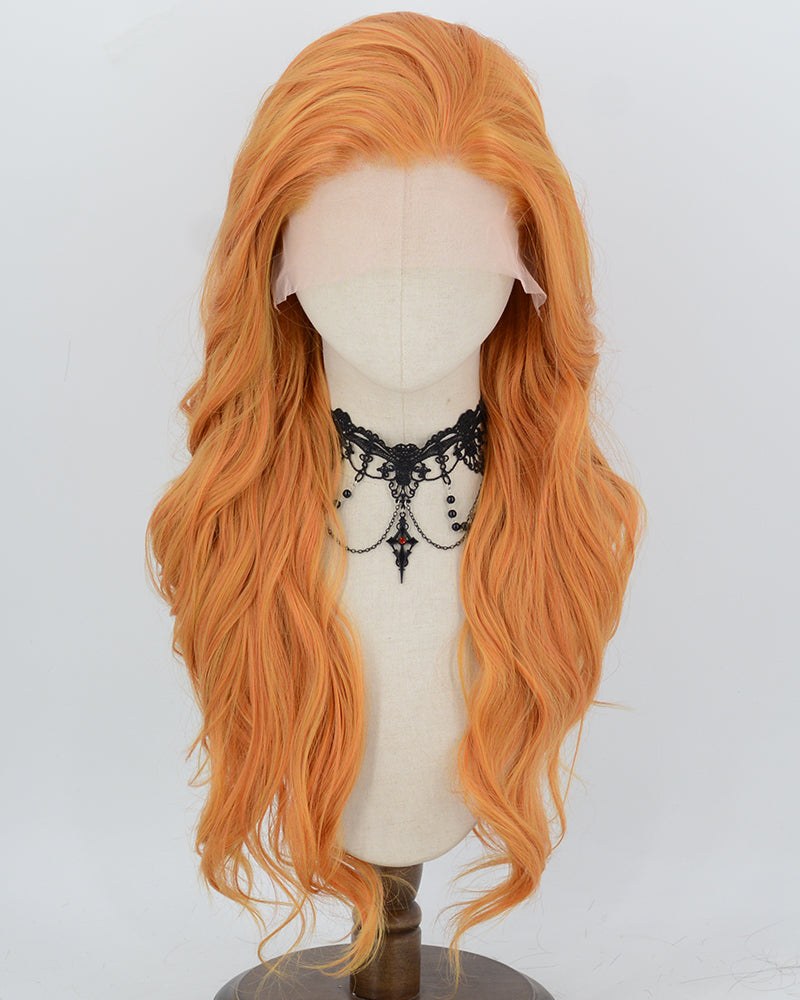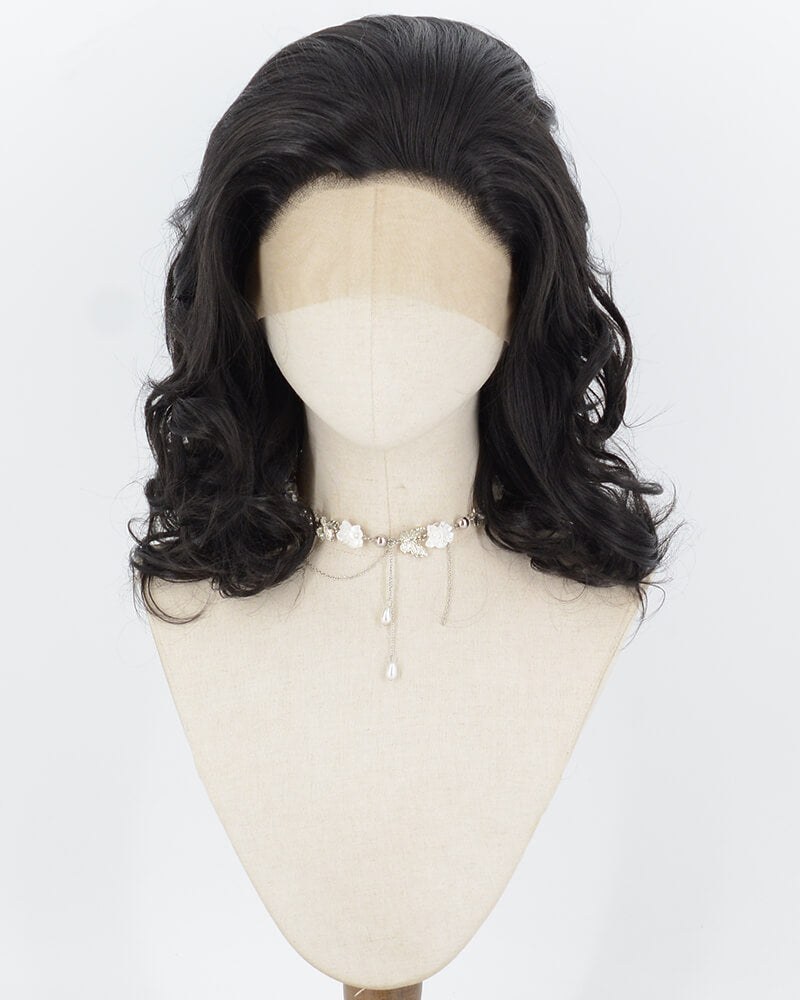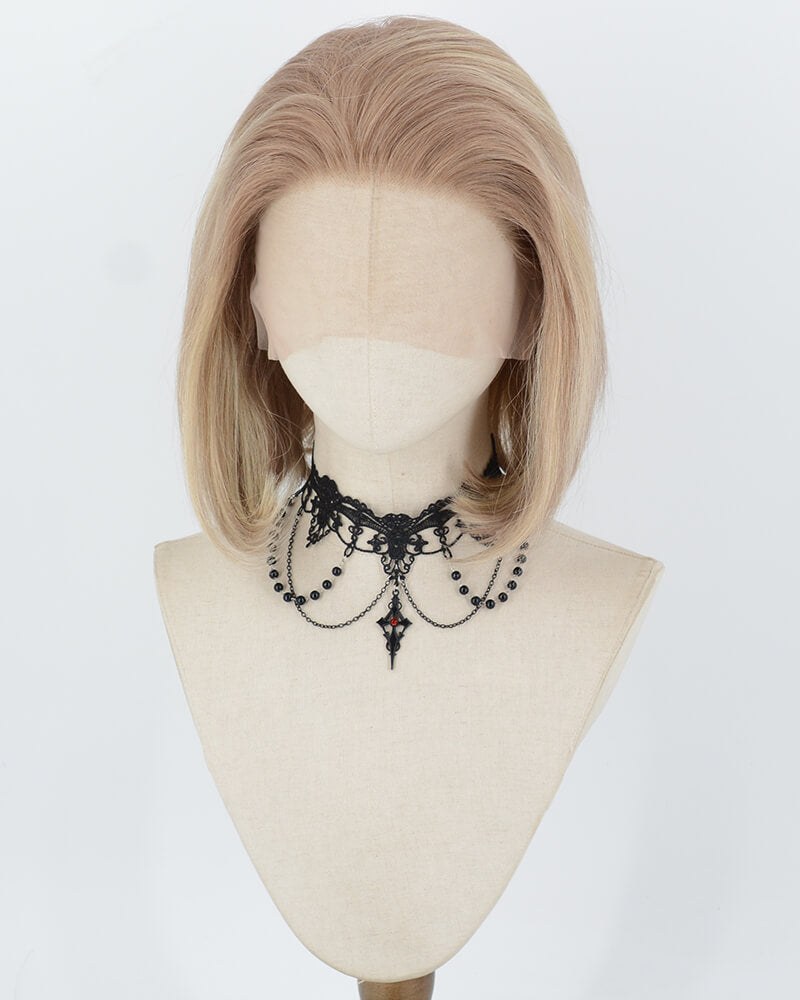
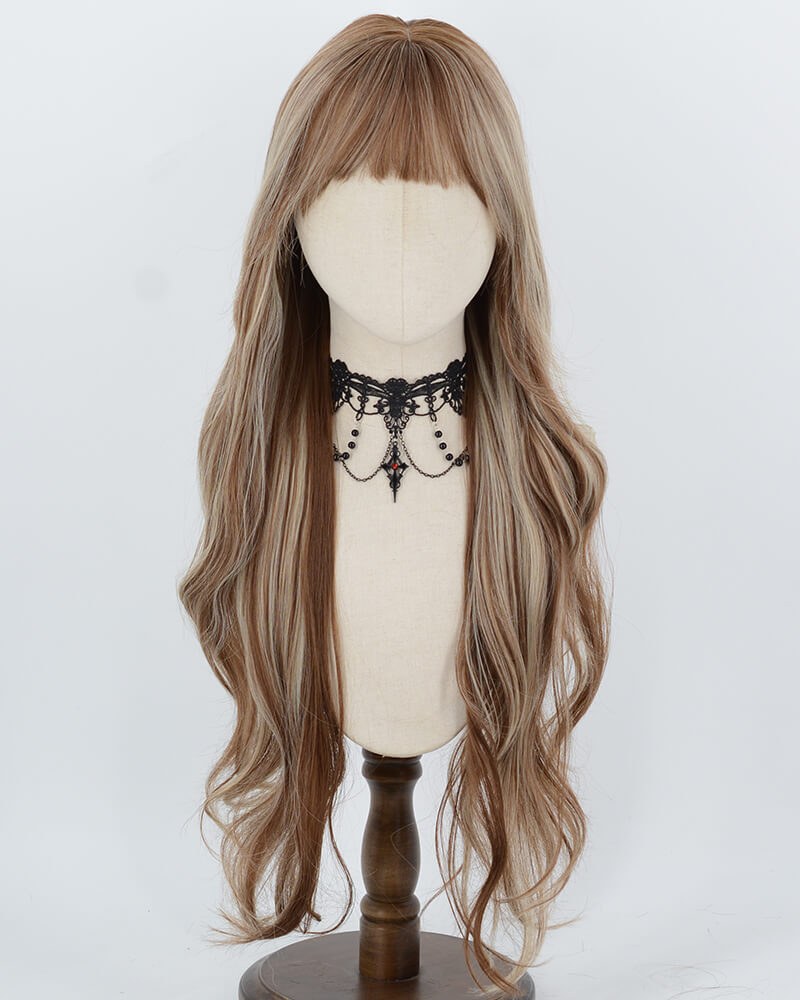
Comparing two wigs at different prices can feel like decoding a secret language: transparent terms, invisible labor, and subtle construction differences all affect value. This guide shows a practical way to compare wig prices by examining measurable specs and service factors—so you can decide which wig offers what you actually need, rather than assuming the pricier option is always better.
1. Break down what’s included in the price
Start by listing what each price covers. Some vendors include extras that materially affect value; others sell a bare unit. Typical inclusions to check:
- Hair type: synthetic, human hair, heat-resistant synthetic blends.
- Cap construction: full lace, lace front, monofilament, basic cap.
- Accessories: wig cap, storage bag, styling tools, combs.
- Service items: custom sizing, pre-plucked hairline, bespoke coloring, heat styling on request.
- After-sale support: return window, repair or restringing options, care instructions or kits.
Compare line-item by line-item. A $60 wig that includes a cap and comb plus a 30-day return may be a better value than an $85 wig that’s strictly the wig with no service cushion.
2. Compare hair type and what that implies for use
Hair type is often the most visible price driver. But price alone doesn’t tell you suitability for your routine.
- Synthetic: lower cost, holds style, less heat-friendly. Good if you want low maintenance or uniform styling.
- Heat-resistant synthetic: can accept limited heat; check the vendor’s guidelines before styling.
- Human hair: higher cost but more styling flexibility; requires care similar to natural hair.
Match the hair type to how you’ll wear the wig. If you plan frequent heat styling, a human-hair wig may justify the extra price. If you want a specific set-and-forget look, a synthetic wig could be the smarter — and cheaper — choice.
3. Evaluate cap construction and durability
Cap construction affects comfort, realism and long-term durability—key factors when comparing wig prices:
- Full lace: highest versatility and natural movement, typically higher-priced.
- Lace front: natural hairline with possibly lower cost than full lace.
- Monofilament top: realistic parting and good breathability where needed.
- Basic wefted caps: affordable but less realistic in parting and movement.
When comparing two prices, ask about the expected lifespan of the cap with normal wear. A less expensive wig with a high-quality cap will outlast a higher-priced wig built on cheaper construction.
4. Look closely at density, length and weight
Density (how full the wig is), length, and the overall weight of the wig impact both appearance and cost. Longer or denser wigs typically raise price because they use more material.
Consider whether you need full density or if a lighter density will give the look you want at a lower price. Also factor in comfort: heavier wigs can be more tiring to wear daily.
5. Assess color options and finishing work
Color can be a hidden cost. Stock colors are generally less expensive; custom colors, highlights, or hand-tied lowlights increase price because of labor and dye costs. Finishing touches like pre-plucked hairlines, bleached knots, and customized parting are service items that raise the cost but may save you time and skill when wearing the wig.
Ask whether the wig you're comparing has factory-applied finishing or if it will need additional work from a stylist. Sometimes the lower sticker price hides a DIY requirement that will cost more in time or local styling fees.
6. Consider fit, sizing and comfort adjustments
Fit affects daily wearability and can be a deciding factor between two price points. Check what each seller provides for sizing:
- Adjustable straps and combs are common on ready-made caps and often included at no extra charge.
- Custom sizing typically costs more but delivers a better long-term fit.
- Padding, silicone grips, or ear tabs improve stability—ask if these are included or optional.
A wig that costs more but eliminates repeated alterations may be better value than a cheaper wig that requires frequent adjustments.
7. Examine seller policies and support
Policies and customer service materially affect the real cost of ownership. Compare:
- Return and exchange windows: longer windows reduce risk.
- Repair and replacements: does the vendor offer restringing or repair services?
- Shipping and handling: are returns or exchanges easy and affordable?
When comparing two prices, a higher-priced wig from a seller with a clear return policy and reliable repair options can be a safer purchase than a lower-priced wig from a seller with limited support. For more details on policies that matter, check our pages on returns and shipping.
8. Factor in maintenance and lifetime cost
Initial price is only part of the total cost. Estimate ongoing costs based on hair type and cap construction:
- Synthetic wigs: expect lower maintenance products but eventual replacement when styling fades.
- Human hair wigs: need shampoos, conditioners, heat protection, and occasional styling from a pro.
- Cap repairs and restringing: some caps need periodic maintenance that adds to lifetime cost.
Estimate how long each wig is likely to last under your routine and calculate a cost-per-month or cost-per-wear to make a fair comparison.
9. Use targeted questions to reveal hidden value
When you contact sellers, ask direct questions that clarify differences beyond price. Useful questions include:
- What specific materials are used for the base and hair? Where applicable, can you share close-up images of the cap and hairline?
- Are any custom services included, such as pre-styling or hairline work? If not, what are the fees?
- What is the expected lifespan with weekly or daily wear?
- How are returns handled and who pays return shipping for exchanges or repairs?
Answers to these queries often reveal where the price difference comes from and whether the extra cost matches your priorities.
10. Make a decision matrix for side-by-side comparison
Create a short decision matrix to compare two wigs on the most important factors to you. Example columns to score 1–5 (1 low, 5 high):
- Initial price
- Included accessories and services
- Cap construction quality
- Hair type and styling flexibility
- Fit and comfort features
- Seller support and return policy
- Estimated lifetime cost
Add the scores to see which wig delivers better overall value for your priorities. This method reduces emotional bias and focuses on measurable differences.
Conclusion: Price is a starting point, not the whole story
Comparing wig prices well means looking beyond the sticker to the package of materials, construction, finish, services and seller policies. A higher price can be justified by superior materials or services, but a lower-priced wig may be the smarter purchase if it better matches how you’ll wear and care for it. Use the practical steps above—inventory inclusions, check cap and hair specs, evaluate fit and policies, estimate lifetime cost, and ask pointed questions—to choose the wig that gives you the best real-world value.
If you want to compare specific models in our catalog or need help estimating lifetime cost for two choices, browse our collections and reach out for details: collections, lace-front wigs, regular wigs, human hair wigs, accessories. For wholesale inquiries or service questions, check wholesale or contact us directly via contact.