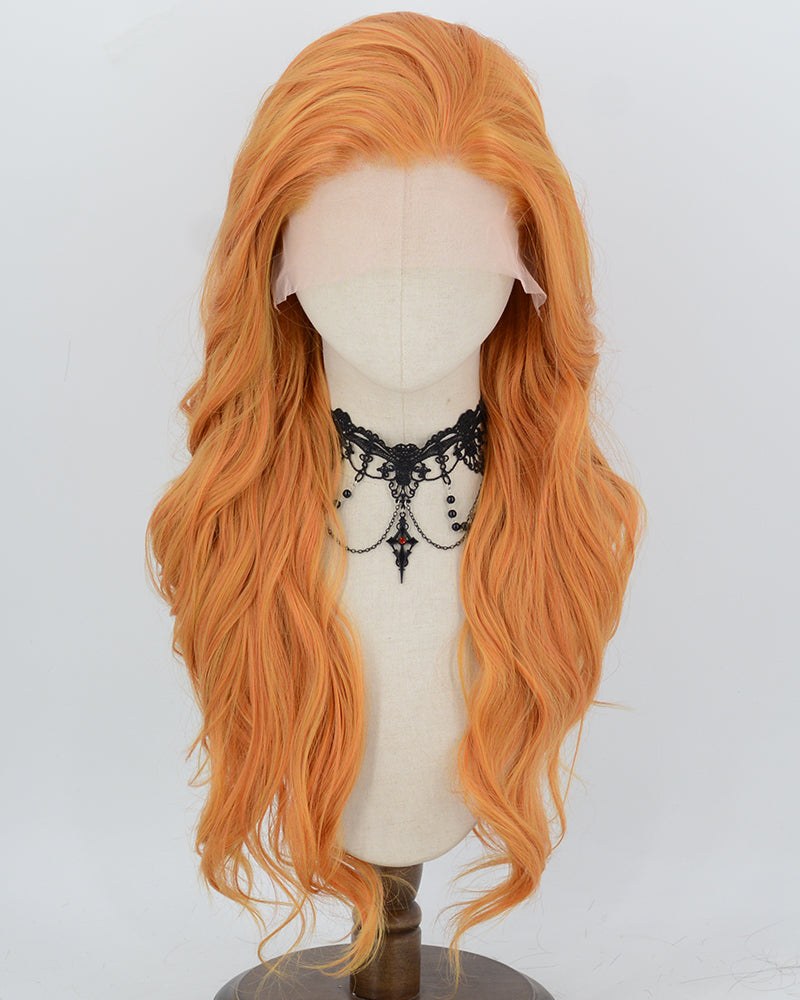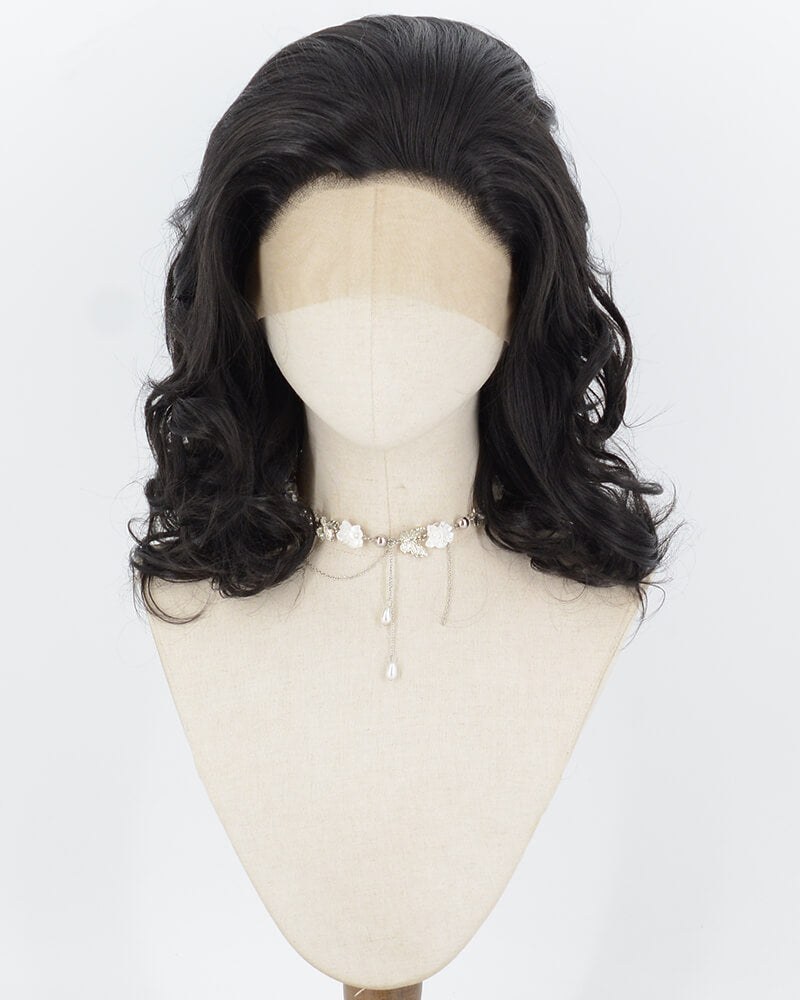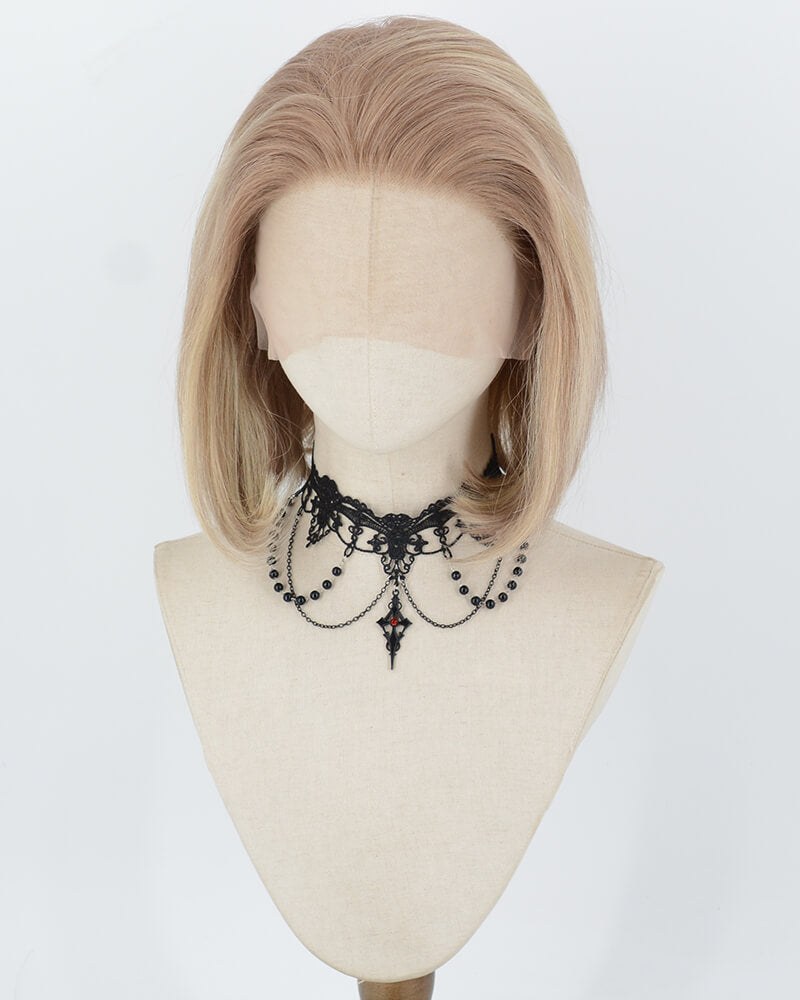
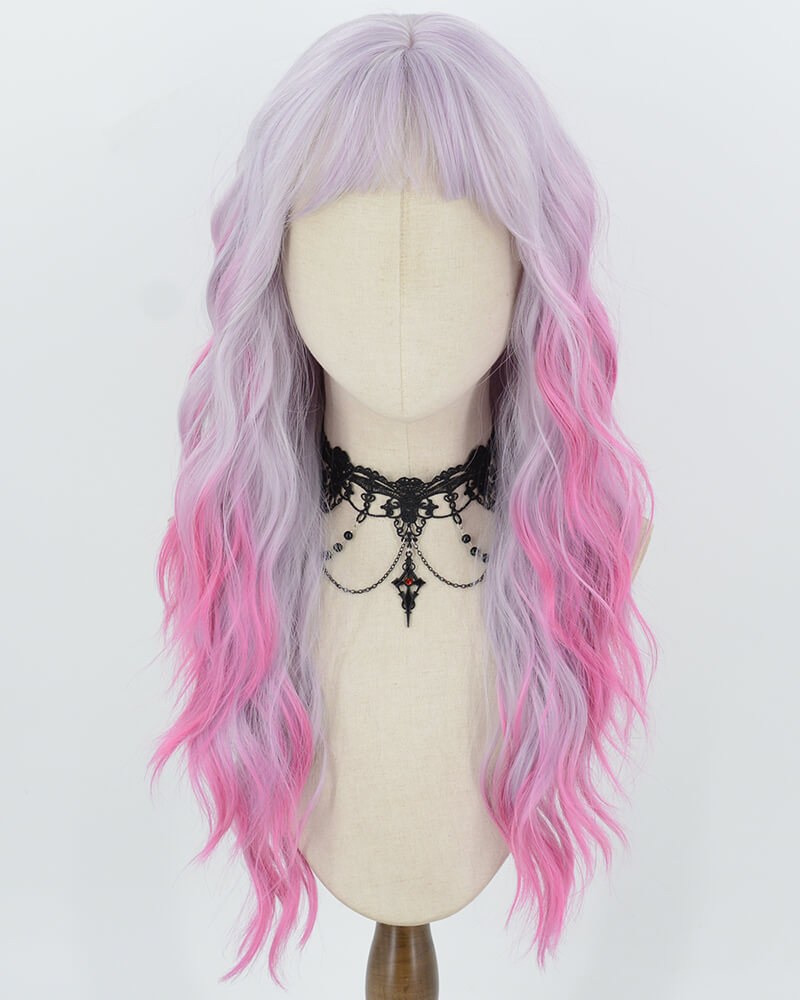
Choosing a wig length is about more than picking a number on a product page. Measured length, curl pattern, daily movement, the clothes and accessories you wear, and how much maintenance you’re willing to do all affect how comfortable and confident you’ll feel. This guide helps you think through those factors so you pick a length you’ll actually enjoy wearing every day.
Understand what “measured length” really means
When a wig description lists a length—say 12" or 22"—that's usually the measurement from the crown to the ends when the hair is laid flat and stretched straight. For straight styles this is close to how the wig will fall. For curls or waves, measured length can be misleading: a 22" curly wig will sit much shorter on the head because curls shrink the visible length.
Tip: If you’re comparing lengths across textures, use photos of the wig on a model with similar curl pattern and the vendor’s measurements. If model photos aren’t available, ask the seller for a picture of the wig on a mannequin or head form, or request measurements taken along the back when the hair is allowed to fall naturally.
Factor in curl pattern and shrinkage
Curls and waves change both the look and working length of a wig. A tightly coiled texture has a high shrinkage rate—what looks like hip-length when stretched may actually sit near the shoulders. Loose waves shrink less and give a longer, softer silhouette.
Example: If you want hair that reaches mid-back in a curly texture, you may need a wig listed at a significantly longer measured length than you would for a straight wig. For a wavy style aiming for the same visual length, choose a measured length closer to your target.
Consider daily movement and activity
How you live matters. If you commute, exercise, or spend time outdoors, a longer wig will move more and may tangle faster. Shorter and shoulder-length wigs tend to stay neater with less daily fuss. Long wigs create an elegant, dramatic effect but require more attention during wear—think routine brushing, using clips to secure hair at the back, and occasional detangling after activity.
Actionable approach: List your typical day and note where hair movement could be a problem—windy commutes, frequent sitting on public transportation, or jobs that require safety gear. Match length to that list: shorter for high-activity days, longer for more controlled environments.
Match wig length to your wardrobe and neckline
Your clothing choices affect how a wig length reads. High-neck tops and tailored collars pair well with shorter to medium lengths; long flowing hair can overwhelm a minimalist neckline or obscure a statement collar. Conversely, long hair complements open necklines, V-necks and layered outfits where the hair can balance proportions.
Practical test: Pull a jacket or blouse you wear often over a hanger and drape a scarf in the length you’re considering. Visualize where the hair will land relative to collars, zippers and jewelry to ensure the length enhances rather than competes with your clothes.
Think about styling versatility you want
Longer wigs offer more options—ponytails, half-up styles, braids, and updos require sufficient length and density. If you want to frequently switch styles, choose a length that gives you those possibilities. Shorter lengths are easier to manage and quicker to style but limit the variety of looks you can create.
Example: If occasional updos are important, aim for a wig length that comfortably allows a low bun or ponytail when gathered; check product photos for density at the nape and crown since sparse napes don’t hold styles well even if the length is adequate.
Account for maintenance and time commitment
Longer wigs demand more maintenance—regular detangling, washing, conditioning, and careful nightly storage. If you prefer low-effort routines, a shorter or shoulder-length wig reduces time spent on upkeep. Synthetic fibers can be lower maintenance than human hair but still require regular care based on texture and lifestyle.
Plan before you buy: Estimate how many minutes per week you will realistically dedicate to your wig. If it’s limited, select a length and texture that align with that budget to avoid disappointment.
Try on different lengths before deciding
Nothing replaces trying on to test how a length feels in motion and with your face shape. If you can visit a local retailer or showroom, try at least three lengths—short, medium, and long—in the texture you want. Pay attention not just to appearance but to how it falls when you turn your head, sit, or shrug your shoulders.
When shopping remotely, request photos or videos on a model of similar height and build, and ask the seller about return options. For wholesale or custom inquiries, contact the vendor directly to confirm samples and policies.
Balance weight and cap fit with length
Long and dense wigs are heavier. Make sure the cap construction and sizing suit the added weight—an ill-fitting cap can shift or cause discomfort. Lighter, shorter wigs are naturally more breathable and easier to wear for long periods. Check adjustable straps, comb placements, and whether the cap needs additional grips or wig tape for stability.
Tip: If you’re sensitive to weight, choose a wig with lighter knotted construction or a lace front that distributes weight efficiently. For heavier wigs, plan for periodic breaks during long wear times or use pins and securements to reduce strain on the cap.
Follow care recommendations for your chosen length and texture
Care affects how a wig ages and how long it maintains its intended length and style. Follow product-specific instructions for washing, heat use, brushing, and storage. Longer hair tends to experience more friction and tangling at the ends; a routine that includes gentle detangling, appropriate conditioning, and protective storage will preserve length and appearance.
For more detailed care guidance, consult care resources and accessories that help maintain length and texture. Visit our care section for product-appropriate tips and accessory suggestions that reduce wear and extend the life of longer wigs.
Practical checklist before you commit
- Confirm whether listed length is measured stretched or natural; request photos or measurements on a head form.
- Decide how often you want to style and whether you need length for updos or braids.
- Match length to your daily activity level and typical outfits for effortless coordination.
- Consider cap fit and weight—try on similar lengths if possible or ask for fit guidance.
- Factor in maintenance time and the care instructions for the wig’s fiber and texture.
Conclusion: Choose a length that fits your life, not just your wishlist
Selecting a wig length is a practical decision as much as a stylistic one. Use measured length as a starting point, then adjust expectations for curl pattern, movement, wardrobe, and the maintenance you’re willing to do. If you’re unsure, try intermediate lengths or request samples and images that show the wig on a head form. For assistance with specific products, cap types and care, explore our collections and care guides or contact us directly to review options and confirm availability.
Useful links
- Browse our collections
- Lace front wigs for natural hairlines
- Regular wigs and cap styles
- Human hair wigs for styling versatility
- Accessories to protect and style longer wigs
- Care instructions and tips
- Contact us
If you’re considering multiple lengths and want feedback, email us with details about the styles you’re weighing and how you plan to wear the wig—orders are handled by inquiry and confirmation, and our team can advise on fit, maintenance and samples.