Wearing a wig every day can be liberating, but comfort is the detail that determines whether daily wear feels effortless or like a chore. This guide focuses on elements you can test and adapt: fit, cap and liner materials, weight and balance, how to build wearing routines with breaks, and why individual differences matter. Use these practical checks when shopping and maintaining a comfortable everyday wig.
Start with accurate measurements for a reliable fit
A secure, comfortable fit is the foundation of daily wear. Measure your head in at least three places: the circumference around the hairline, from front hairline to nape, and from ear-to-ear across the top. Many wig makers provide sizing charts that translate these measurements to small, medium, large, and custom caps. If you can try on a wig before committing, check these fit cues:
- How the front hairline sits—no slipping forward or pinching at the temples.
- Whether the nape band rests gently without digging in when you move your head.
- How secure the ear tabs feel without compressing or chafing.
If adjustable straps and combs are present, they allow micro-adjustments. But remember: tightening straps can reduce movement and increase pressure on contact points. Plan to test the wig for a few hours to reveal pressure spots you wouldn’t notice during a quick try-on.
Understand cap constructions and how they affect liner feel
Cap construction defines how the wig contacts your scalp and how breathability, weight distribution, and sensory feel change. Common cap types you’ll encounter include basic wefted caps, lace fronts, monofilament tops, and full lace caps. Each will feel different on the head.
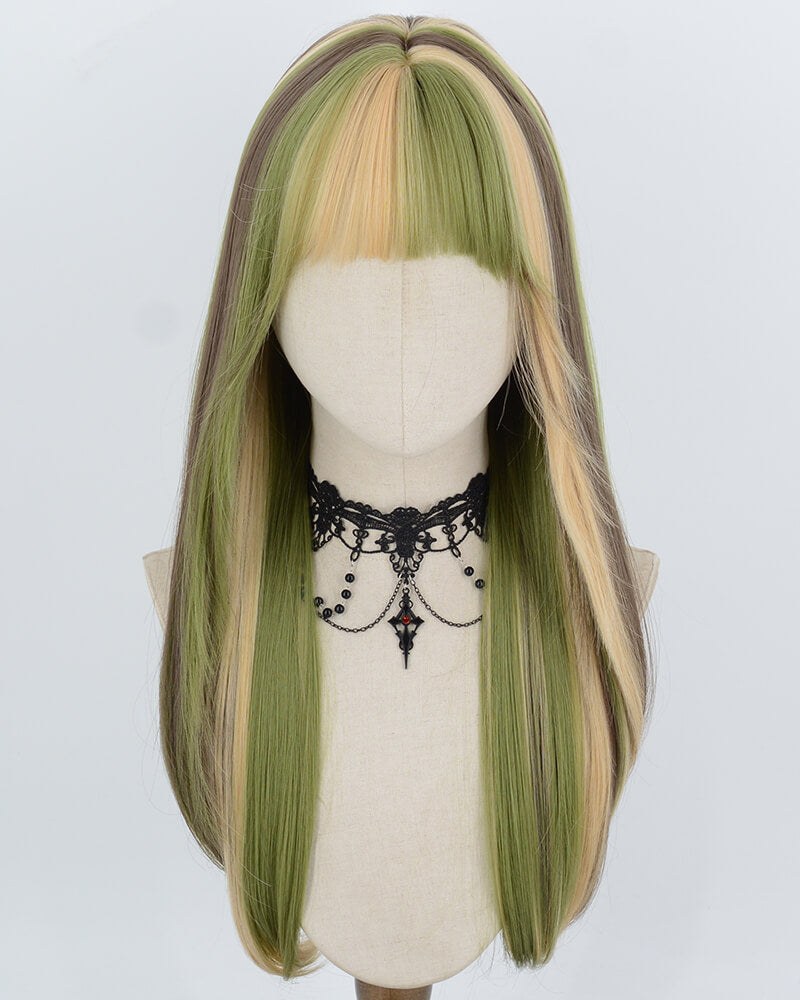
- Wefted caps: Often lighter and more breathable because hair is sewn in rows. They can feel airy but may not provide the most natural parting at the crown.
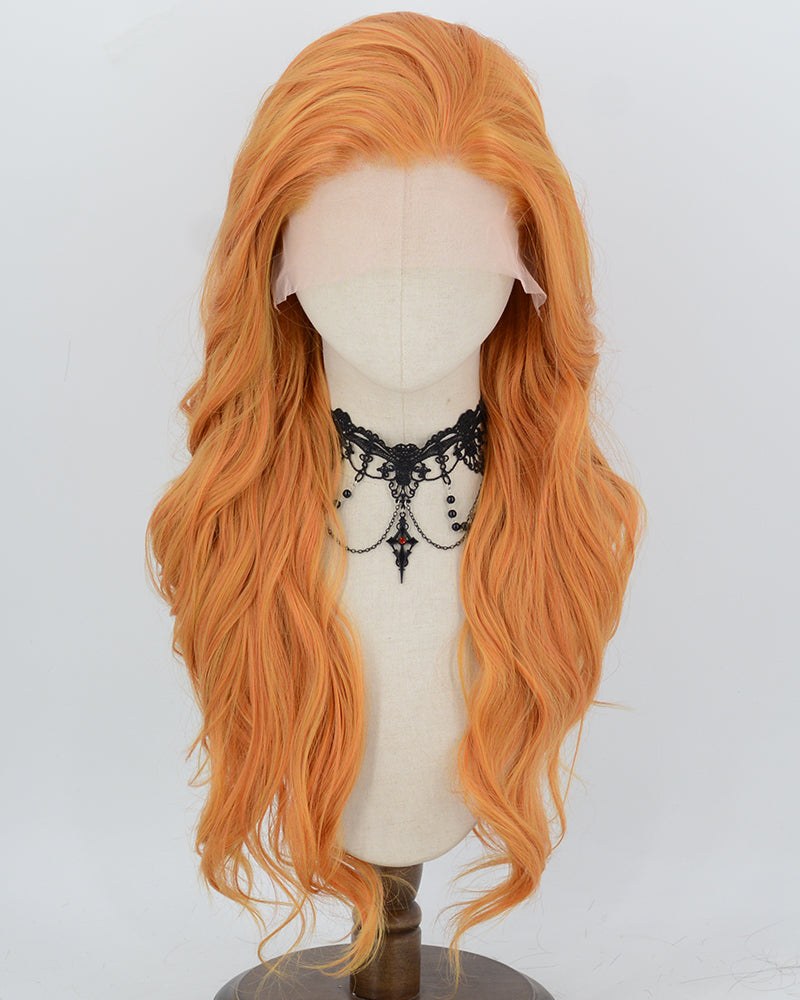
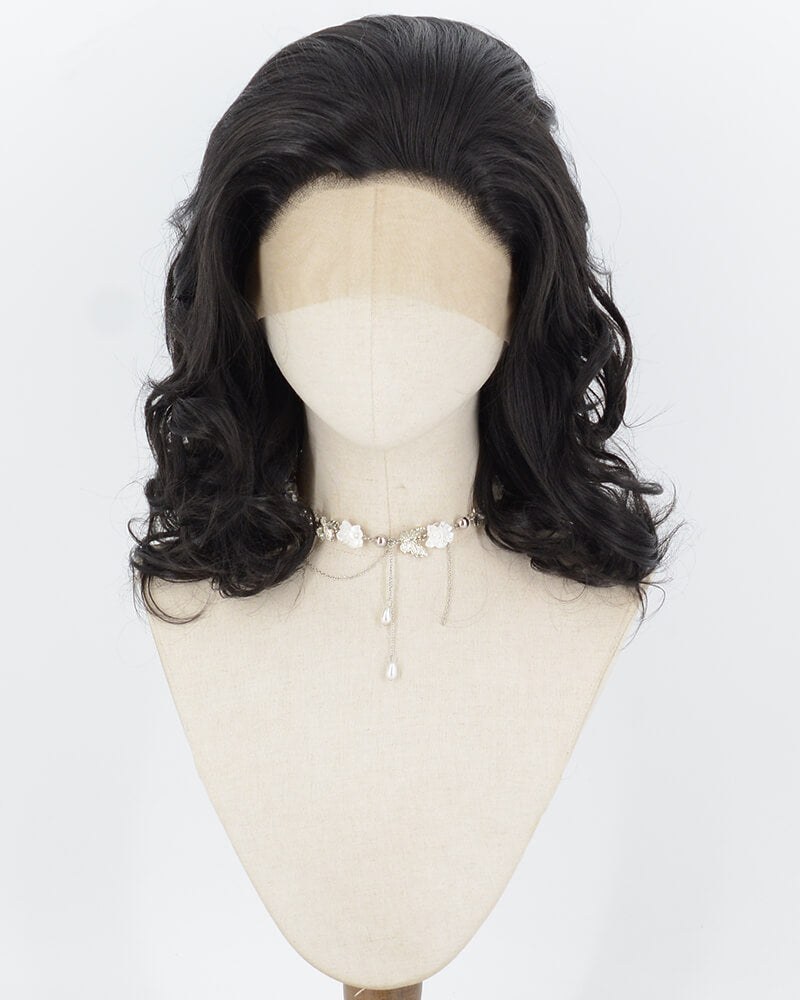
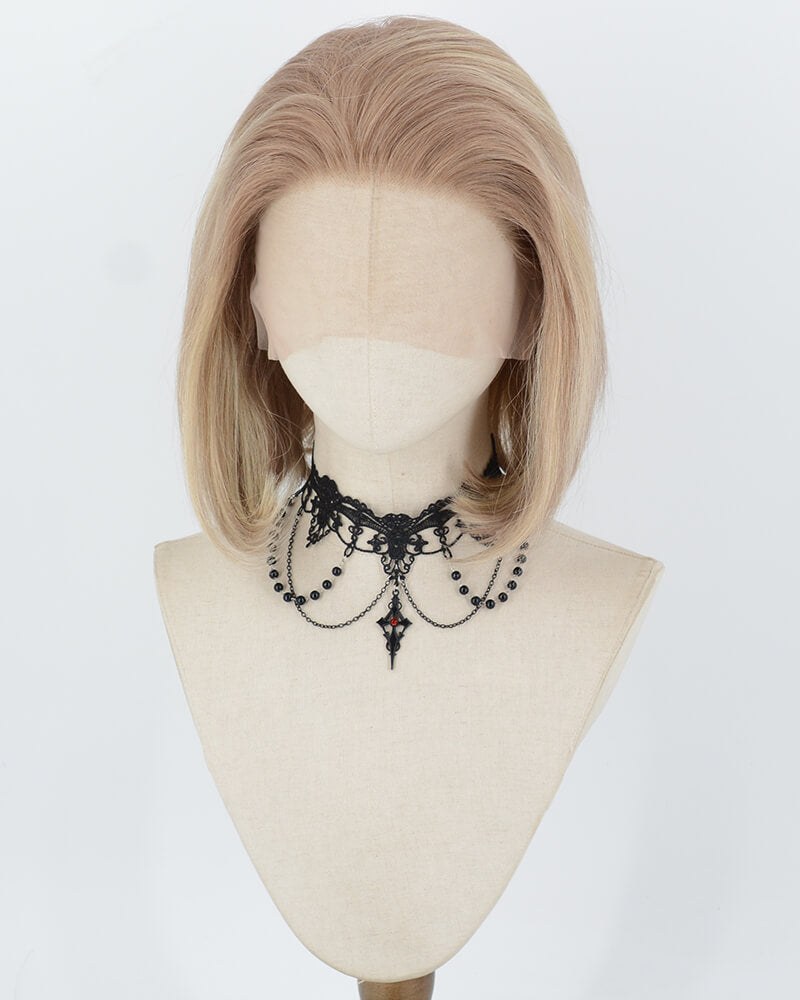
- Lace fronts: Create a natural hairline while keeping most of the cap structure for stability. The lace at the front can be soft but may require careful adhesion for seamless wear.
- Monofilament tops: Simulate a natural scalp at the parting and can be gentler at the crown, reducing friction where the wig meets the scalp.
- Full lace caps: Offer maximum versatility and often lighter feel across the entire scalp but can be pricier and may require more maintenance.
When comfort is the priority, inspect the inner liner for seams, elastic bands, and raw edges. A smooth, lined interior or a cap with foam-free construction tends to reduce hot spots. If you know your scalp is sensitive, look specifically for soft linings or ask about hypoallergenic materials through the catalog or customer service.
Assess weight and balance for longer wear
Weight affects how long you can wear a wig without fatigue. Human hair wigs generally weigh more than synthetic options, while dense, long styles add weight compared with short or layered cuts. But weight distribution matters as much as overall mass. A well-constructed cap distributes strands evenly so the pull is uniform rather than concentrated at the front or nape.
Practical ways to evaluate weight and balance before committing:
- Put the wig on and walk around for 20–30 minutes to see if it feels front- or back-heavy.
- Try nodding and turning your head quickly—unbalanced pieces will shift or pull at specific points.
- Consider shorter lengths or layered cuts if a lighter feel is important; density can also be reduced by professionally thinning dense wigs.
Balance can be improved after purchase with minor adjustments: repositioning internal straps, adding discreet foam pads where the cap gaps, or having a stylist trim and thin the hair to distribute weight differently.
Check ventilation and scalp temperature
Comfort over the course of a day depends on breathability as much as fit. Look for wefted caps or cap styles with mesh panels if you tend to overheat. Lace and monofilament areas are usually more breathable than fully lined caps, but construction varies by model.
Simple checks at purchase or in the try-on phase:
- Press the cap between fingers—can you feel air passing through the material?
- Consider how you normally regulate temperature: if you’re often warm, prioritize open-weft or ventilated caps.
- If you sweat heavily, plan for a care routine that includes a liner or wig cap that can be removed and washed to protect the wig’s interior.
Create a daily routine with deliberate breaks
Even the most comfortable wig benefits from schedule-aware wear. Alternating between wig-on days and wig-free periods allows your scalp to breathe and reduces constant pressure on attachment points. Here are practical routines people adopt:
- Wear the wig for full workdays, then remove it in the evening to air out. Use a soft satin cap while you sleep if you want some coverage without compression.
- Plan half-day wears for sensitive days—put the wig on for morning events and remove it after lunch.
- Rotate between two wigs of different cap types or styles to vary contact points and reduce wear on a single piece.
When you remove a wig, gently pat the interior with a dry microfiber or breathable towel if there is sweat. Avoid heavy cleaning every day; instead, develop a hygiene schedule based on use and the product’s care instructions to protect both the wig and your scalp.
Account for realistic individual differences
Comfort is personal. Head shape, sensitivity, scalp conditions, and lifestyle all affect how a wig feels. A cap that’s ideal for one person may be uncomfortable for another. Take these variables into account:
- Head shape: A narrow head may need different adjustments than a wide head—fit and strap tension need to be tuned accordingly.
- Sensitivities: If your scalp is reactive, choose linings labeled as soft or hypoallergenic and test new materials for short periods before prolonging wear.
- Activity level: If you move a lot during the day, prioritize secure attachment and balance; if you have a sedentary routine, a more delicate cap can be comfortable.
When possible, trial different cap types. If you shop through a supplier, request samples or try pieces from both /collections/lace-front-wigs/ and /collections/regular-wigs/ to feel differences directly. If you need more natural movement or a specific look, inspect /collections/human-hair-wigs/ for textures that may match your needs.
Pay attention to accessories that improve comfort
Accessories can transform an average fit into a comfortable all-day solution. Useful items include soft wig caps, adhesive-friendly tapes or strips for secure lace front wear, wig grips or bands to prevent slipping, and removable sweat liners. Look in the accessories catalog for options that match your cap type.
- Wig grips: Fabric bands that sit between your hairline and the wig, increasing stability with minimal pressure.
- Sweat liners: Thin, replaceable liners that absorb moisture and can be washed between wears.
- Fall pads or foam inserts: Tiny pads to fill gaps in the cap and eliminate rubbing at the nape.
Check the /collections/accessories/ and the /care/ pages for compatible items and maintenance tips. Remember that adhesives and tapes should be chosen carefully: follow product labels and consult support if you have adhesive sensitivities.
Practical in-use checks and small adjustments
Once you own a wig, brief daily checks reduce discomfort before it becomes a problem:
- Every morning, place the wig on and move your head through a full range of motions. If you notice a pinch, inspect the interior for uneven seams or slipped straps.
- After a few hours of wear, remove the wig and check for redness or irritation. Treat visible irritation conservatively—rest the scalp and consult a professional if it persists.
- If the wig shifts when you speak or eat, reinforcement with discreet clips or a repositioned grip band often solves the issue without heavy adhesives.
Minor tailoring—trimming lace, trimming wefts that poke, or having a stylist thin excess density—can change comfort dramatically. If unsure, reach out through /contact/ or review return options on /returns/ before making irreversible alterations.
Conclusion: Comfort is measurable and adjustable
Choosing a comfortable everyday wig is a mix of measurement, material selection, realistic expectations and routine planning. Start with accurate head measurements and try different cap constructions. Weigh the importance of weight versus natural appearance, and build a wearing schedule that includes regular breaks and accessory support. Because comfort varies from person to person, trial and small adjustments are normal parts of the process.
If you’re exploring options, browse relevant styles in /collections/ and consider items in /new-arrivals/ for recent comfort-focused designs. For wholesale or bulk needs, check the /wholesale/ page and contact the company to confirm policies, pricing, and lead times. If you need specific care guidance for a piece you own, the /care/ page offers maintenance basics to prolong comfort and performance.
When in doubt, ask for a try-on, request detailed cap specifications, and keep a short-term wear test before committing to long-term daily wear. Comfort can be achieved—and often improved—by choosing the right cap, adding supportive accessories, and building a sensible wearing routine.