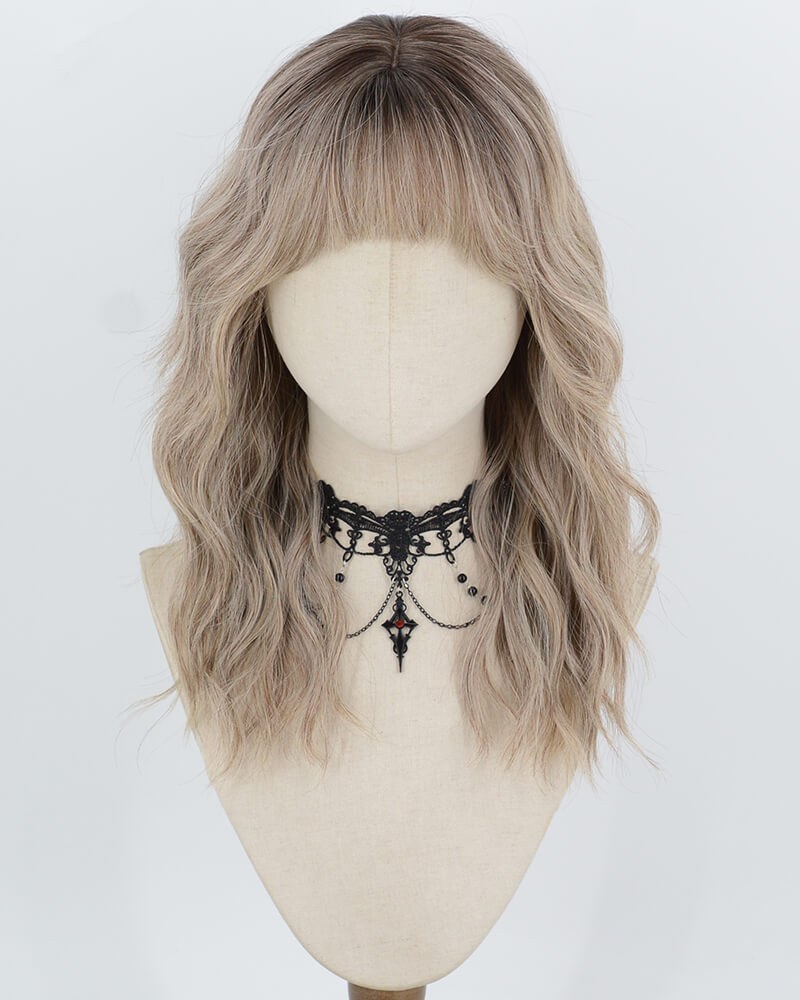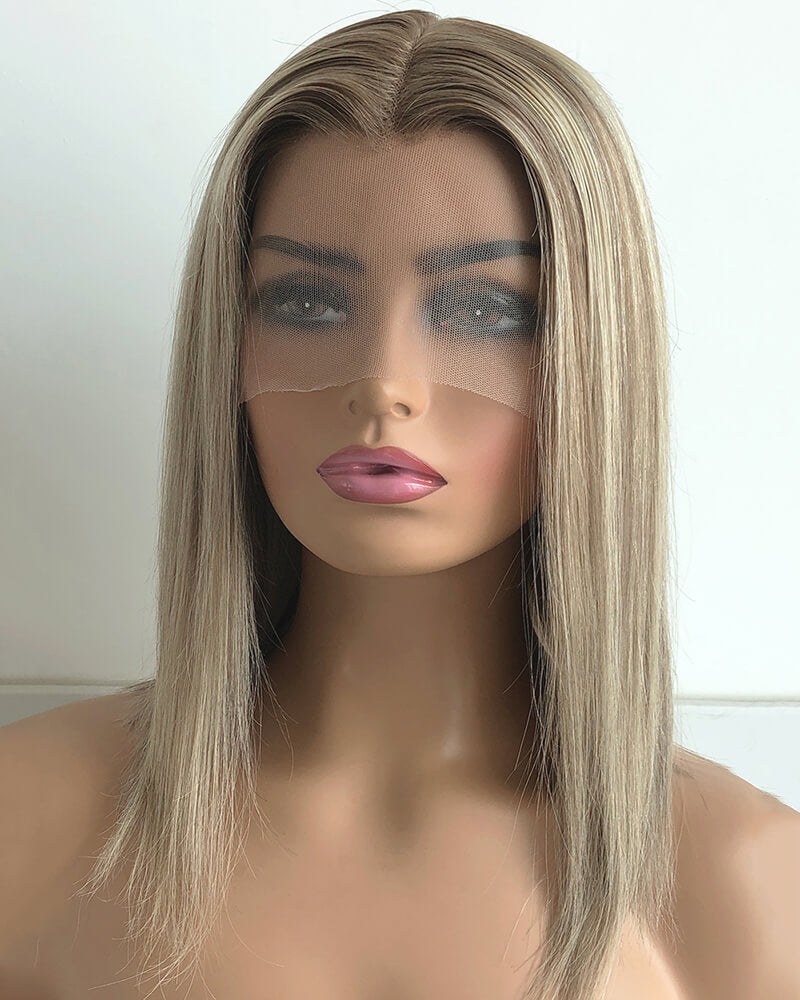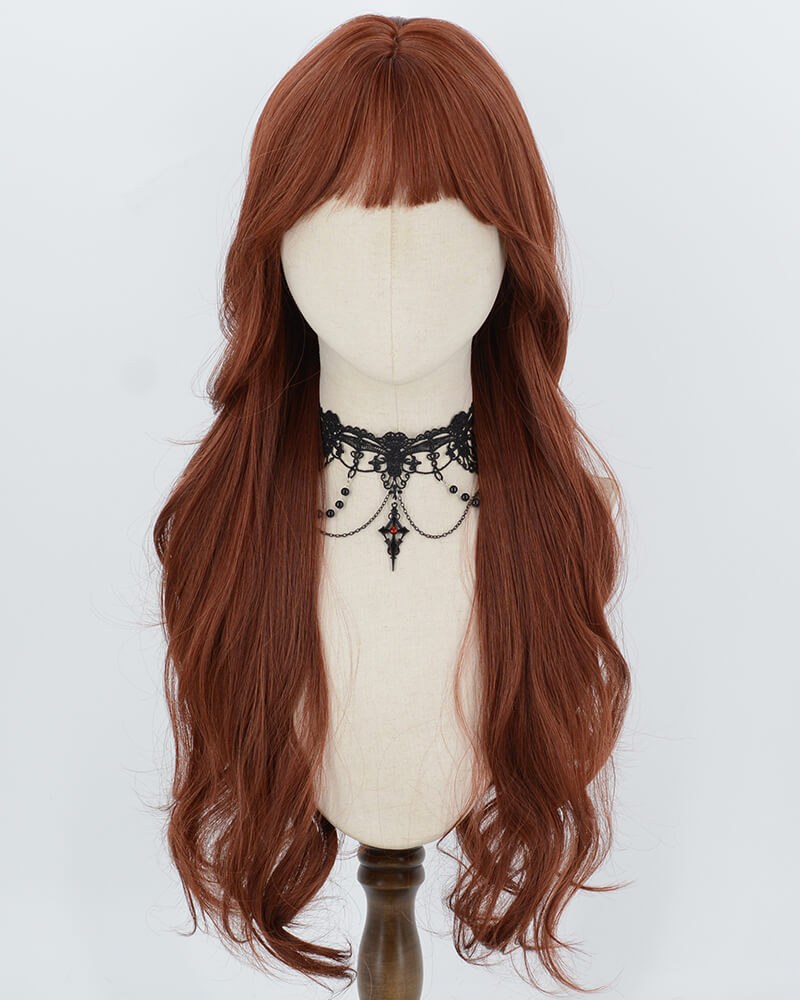
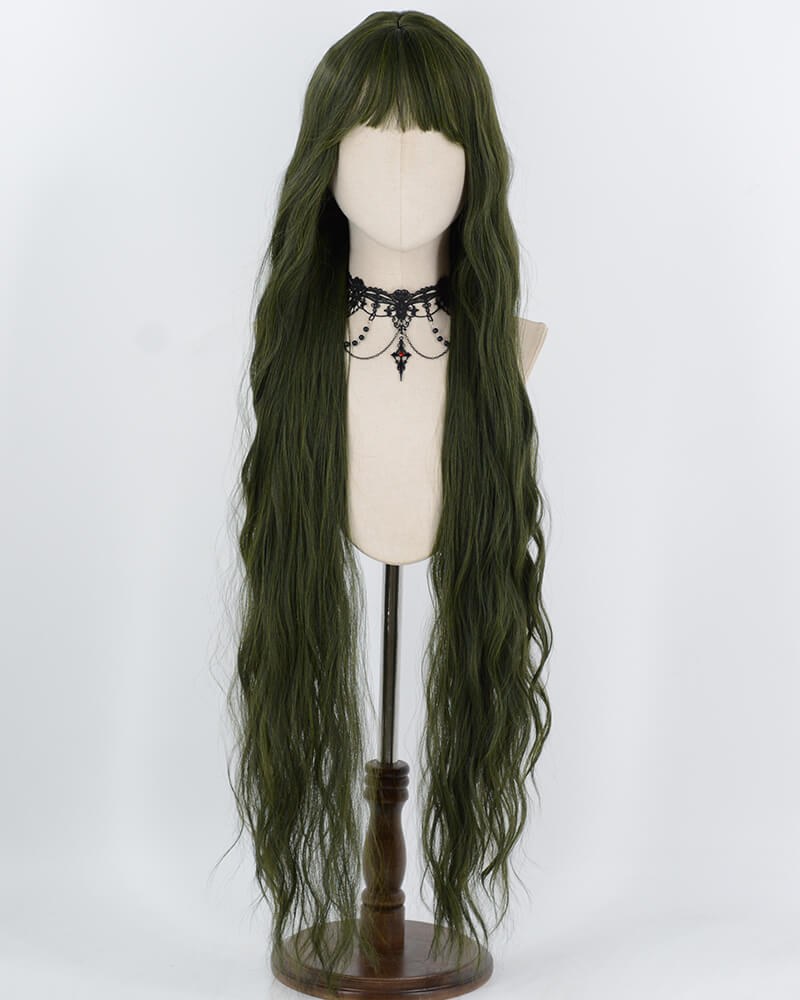
Long wigs make a strong style statement, but they also change how jewelry and necklines behave together. This article focuses on practical choices to keep hair smooth and snag-free, select collars that play well with length, and adapt accessories to personal outfit preferences.
Understand Where Snags Happen
Before you change a necklace or swap a top, notice the points where long wigs meet clothing and accessories. Common snag zones include: the back of high collars, bra straps where hair passes over them, the inner curve of crew and turtleneck necklines, and jewelry clasps that ride against the nape. Watch how your wig moves when you put on a jacket, reach overhead or turn quickly; this reveals the stress points and the likely contact areas.
Choose Necklines That Reduce Friction
Different necklines interact with long hair in predictable ways. Here are practical considerations for popular styles:
- V-necks and scoop necks: These provide a clear path for hair to fall without catching on fabric. They work well for showing off longer lengths and let necklaces sit visibly without pressing hair against the throat.
- Boat necks and crew necks: These can trap hair along the collarbone or nape, especially if the material has a heavier weave. If you prefer this look, keep wigs smoothed and consider wearing the hair over one shoulder to reduce contact.
- Turtlenecks and high collars: These are most likely to cause tangling at the nape. If you like high collars, balance them with looser hair styling (e.g., low pony) or choose thinner knit fabrics and smoother wig textures.
- Off-the-shoulder and strapless: These styles minimize intersections with straps and collars, giving more freedom to drape hair. They’re excellent for showing off long wigs and statement necklaces without mechanical rubbing.
Collar Types and How They Affect Long Wigs
Collars differ in stiffness, seam placement and thickness. These details matter for snag prevention:
- Stiff collars (shirt collars, some jackets): The edge can rub hair repeatedly as you turn your head. Tuck long wig strands inside the collar on one side, or wear your hair over the opposite shoulder to avoid repeated contact.
- Soft collars (cardigans, lightweight blouses): Softer fabric is less abrasive but can still cause static cling. Use an anti-static spray safe for wigs or a silk scarf inside the collar to reduce friction.
- Cowl and drape collars: These can catch hair in folds. Consider placing hair over the shoulder or using two discreet hairpins to keep the wig from falling into the collar folds.
Select Necklace Styles to Minimize Catching
Necklaces are both decorative and functional—how they sit will determine how much they interact with your wig. Practical necklace choices include:
- Pendants on fine chains: They rest close to the skin and are less likely to pull on hair. Choose smooth clasps and avoid large jump rings.
- Chokers: Short styles sit above where hair typically rests and can be a safe option with long wigs—provided the material is smooth and the closure won’t snag.
- Long, single-strand necklaces: These can be styled over the wig hair rather than under it. Wearing the necklace on top of the hair avoids the clasp rubbing against the nape but needs enough length and weight to sit comfortably on hair instead of slipping into the wig fibers.
- Avoid layered short necklaces that sit at different heights: These create multiple contact points and increase the chance of tangles.
Material Matters: Picks for Durability and Smoothness
The materials of both jewelry and clothing affect how they interact with synthetic or human-hair wigs. Consider these material cues:
- Satin and silk linings: Use garments with satin or silk neck linings to reduce friction against the wig fibers. A small lining inside a collar can dramatically lower static and breakage.
- Smooth metals and polished finishes: Necklace closures made from polished metal or smooth plastic glide past strands with less resistance than textured metals or coarse beads.
- Avoid rough fabrics along the neckline: Heavy knits and textured linens create catch points. If you love these fabrics, wear a light scarf or scarflet as a buffer when wearing a long wig.
Practical Styling Techniques to Prevent Snags
Small, routine habits prevent the biggest problems. Try these techniques:
- Sweep and secure: Before putting on a top or jacket, sweep hair back into a loose ponytail or low bun and secure with soft fabric-covered elastics that won’t snag the wig cap or fibers.
- Layering mindfully: Put jewelry on after you finish dressing so clasps don’t drag across open collars. If you need to put on a tight neck item late, tilt your head forward and tuck hair inside the collar briefly while you fasten the piece.
- Use pins sparingly: When you anchor hair to avoid contact with a collar, use smooth, warm-colored bobby pins; avoid over-clipping which can create stiffness and pressure points that stress the wig cap.
- Test movement: After dressing, perform typical motions—turn your head, pick up a bag, bend over—to see where the hair meets fabric and adjust before you leave the house.
Match Jewelry Scale to Wig Volume and Outfit
Long wigs can have varying volume. Balanced proportions create a cohesive appearance without forcing hair into conflict with clothing:
- High-volume wigs: With abundant hair, choose simpler necklaces or larger, lighter statement pieces that sit outside the hair mass. Small delicate chains can get lost or tangle in textured lengths.
- Sleek, low-volume wigs: Delicate pendants and thin chains complement streamlined hair and are less likely to pull on fibers if you keep clasps smooth and secure.
Consider Everyday vs. Event Styling
Expect different requirements depending on how long you’ll wear the wig and how active you’ll be:
- Daily wear: Prioritize comfort and low-maintenance pieces—smooth, simple necklaces and collars that are easy to put on and leave alone. Tuck hair into a low braid or wear it over one shoulder for commuting and long days.
- Evening or formal events: You can plan intentionally: pin hair into neat styles, choose jewelry that sits clear of the nape, and test the full outfit with movement to make adjustments before arriving.
Care and Tools That Make a Difference
Maintain both your wig and your wardrobe to reduce ongoing problems. Keep a small kit to handle issues quickly:
- Wide-tooth comb or detangling brush designed for wigs (always follow product care guidance).
- A few silk hair ties and fabric-covered clips for temporary securing.
- Anti-static spray or lightweight conditioning product recommended for the wig type to reduce friction—follow the manufacturer’s instructions.
- A sewing or alteration solution: a thin satin collar insert can be stitched into favorite tops to protect hair at the neckline.
Practical Examples to Apply Today
Here are three real-world combinations that demonstrate the above principles:
- Office look: Lightweight blouse with a minimal V-neck, a thin gold pendant, and hair smoothed behind one shoulder. Carry a silk scarf to tuck into a jacket when needed.
- Casual weekend: Soft crew-neck tee with a long, single-strand bead necklace worn over the hair to avoid nape contact, and hair in a loose low pony secured with a fabric tie.
- Evening out: Strapless or off-the-shoulder dress with a choker or short pendant, hair pulled into a low chignon to protect the nape, and polished clasps checked before leaving home.
Conclusion: Balance Style, Comfort and Prevention
Choosing jewelry and necklines for long wigs is about anticipating contact points and making small adjustments to avoid friction and snags. Favor smooth materials, mindful collar choices and deliberate accessory placement. Test movement and carry a few simple tools so you can protect both your wig and your clothing throughout the day. For shopping ideas and accessories that help with styling and care, browse ARIS BEAUTY SUPPLY’s collections and resources: explore our collections, view lace front wigs and regular wigs, check human hair wigs for styling options, and stock up on helpful items from accessories. If you need product or ordering information, visit contact, review our care guidance, or see our shipping and returns pages for policies.