Deciding between a bob wig and a long layered wig comes up often for shoppers who want a clear sense of how each cut performs in everyday life. Instead of repeating face-shape rules, this guide compares practical styling choices, how each style sits at necklines and collars, daily care implications, and wardrobe pairing so you can choose the wig that fits your routine and clothing rotation.
How the silhouette affects movement and presence
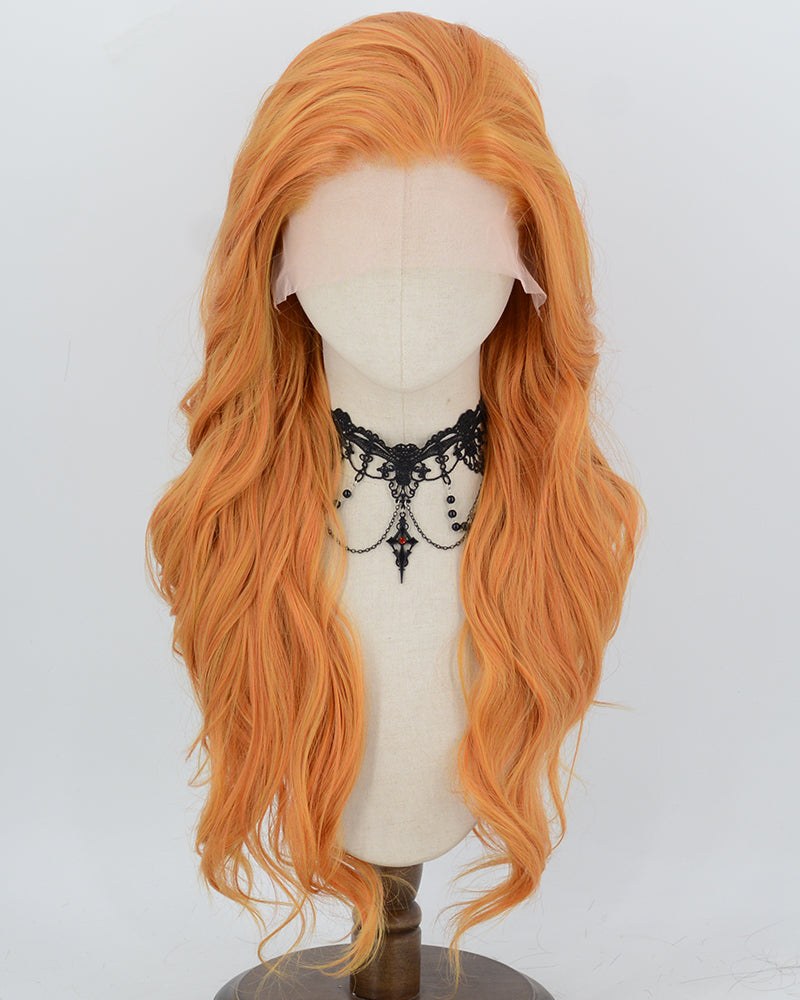
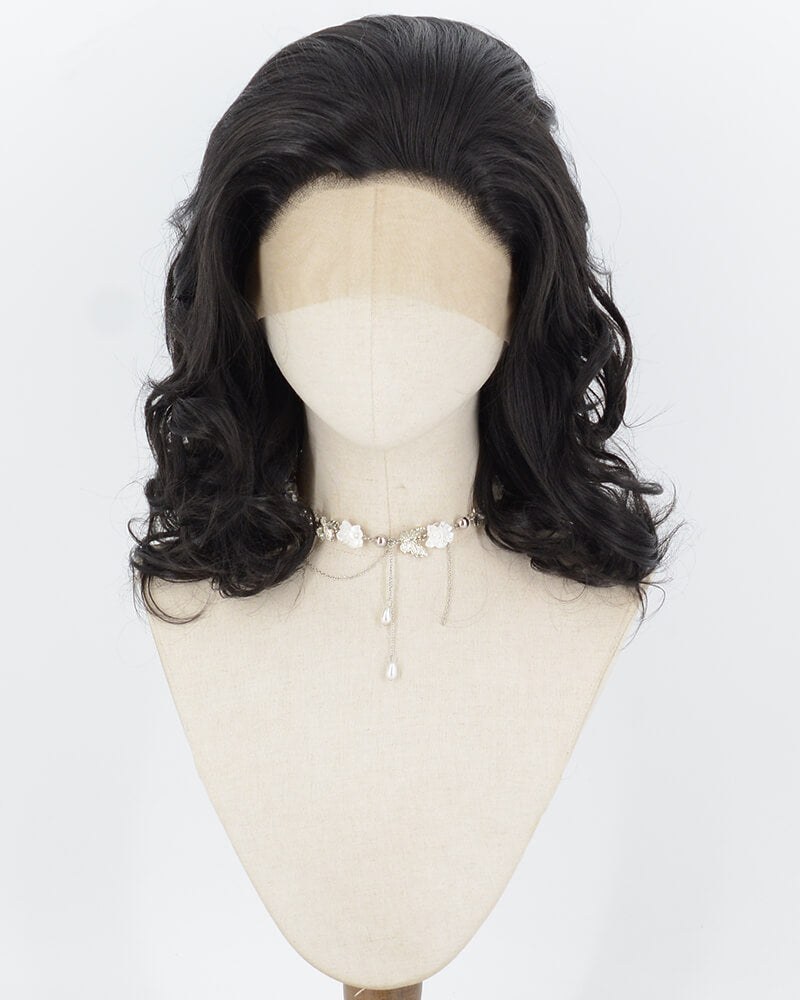
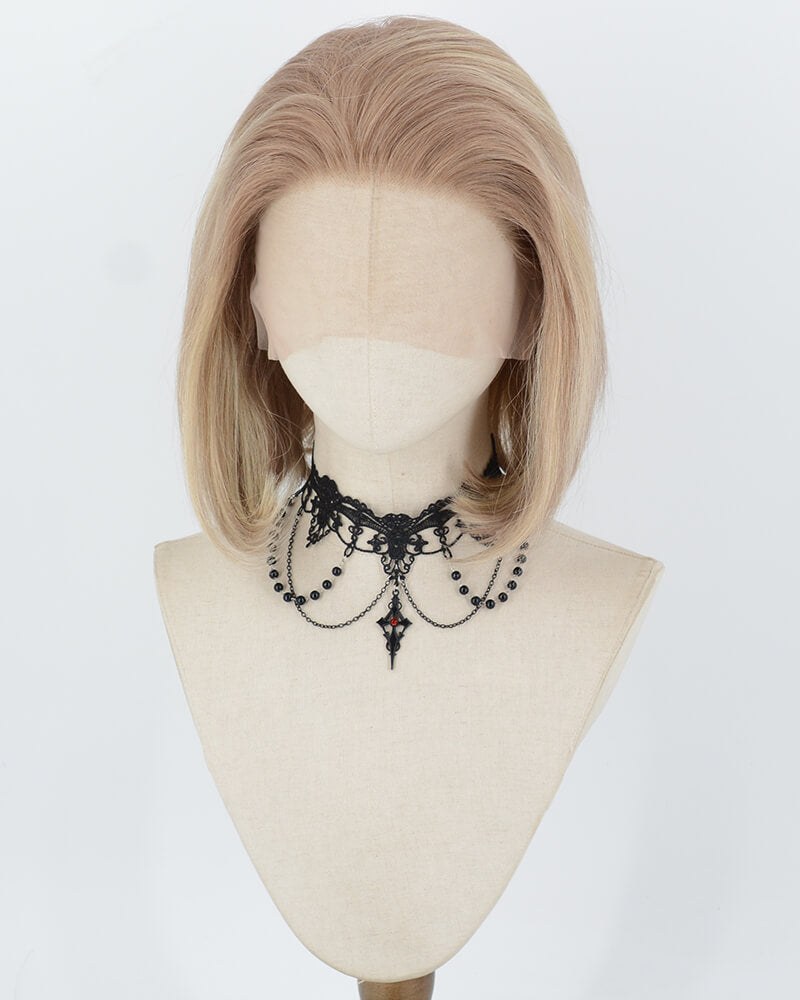
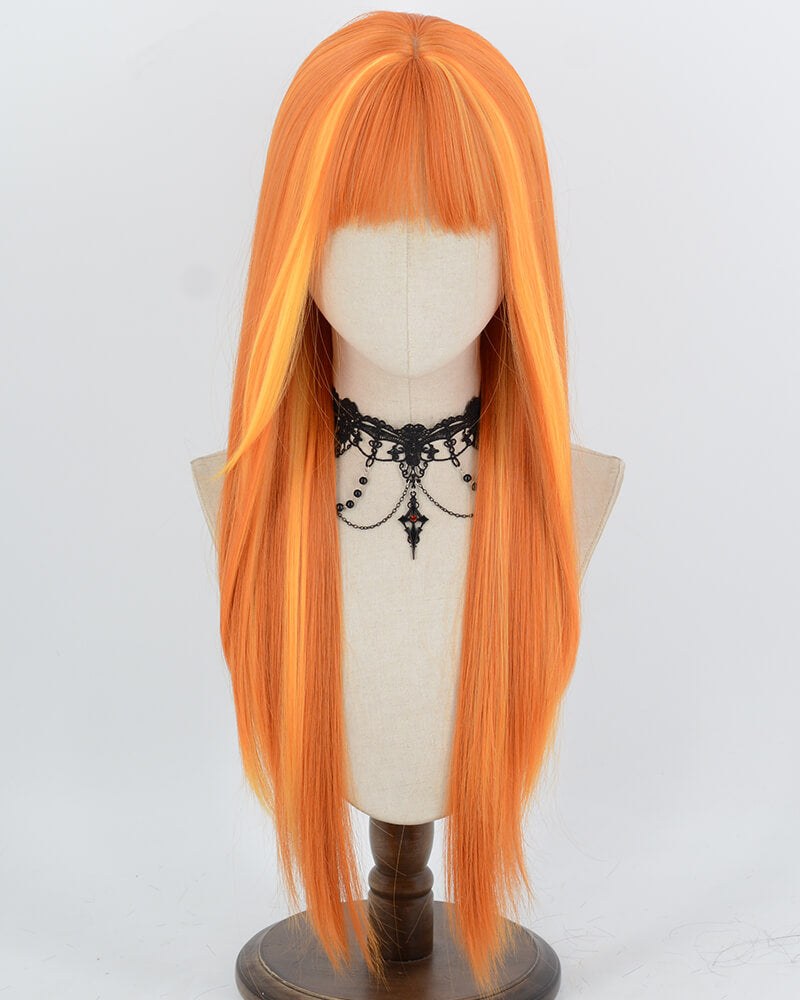
Start by thinking about what you want the hair to do during normal activities: move, stay put, or change with styling. A bob wig tends to present a defined silhouette—shorter lengths that end near the jawline or shoulders. That means less loose movement overall and a more deliberate shape. A long layered wig offers more dynamic movement: layers create fall and feathering, and the length moves when you turn, sit, or wind hits it.
Practical implications:
- For minimal fuss during windy commutes or cycling, a bob wig often stays neater and needs fewer adjustments.
- If you enjoy versatility—pulling hair into half-up styles, ponytails, or soft waves—long layered wigs give more options without immediately exposing the cap or lace.
Necklines and collar interactions
An often-overlooked factor is how the wig length sits against necklines and collars. This affects comfort and the overall look when wearing jackets, turtlenecks, or open collars.
- Bob wigs: A shorter length sits cleanly above or at the collar. This makes layering under coats and blazers simpler because the hair doesn't get trapped inside collars as much. It’s also easier to achieve a tidy line at the nape for collars or structured outerwear.
- Long layered wigs: Longer lengths can slip inside collars or over turtlenecks unless styled back. When wearing scarves, hoods or high collars, anticipate occasional readjustment so hair doesn’t bunch or become misshapen at the nape.
Tip: If you favor high collars or hooded jackets, test any wig with your usual outerwear before committing—see how the nape sits and whether you’ll need regular smoothing or pinning.
Styling time: quick fixes versus time for texture
Consider how much time you want to spend styling each day. Bobs are often quicker to style because shapes are already built into the cut; a few passes with a brush or a quick flat-iron touch-up usually does the job. Long layered wigs require more time to manage volume and define layers—especially if you want to avoid a flat, lifeless look.
Examples:
- Five-minute routine: Smooth a bob with a paddle brush and apply a light finishing product; use a headband or clips if you want a change.
- Ten- to twenty-minute routine: Add waves or tousling to long layers with a curling wand or heat tool, then set with a light hairspray or texture spray for hold.
Note: Always check the product label and cap construction before using heated tools.
Maintenance and care differences
Maintenance needs differ between short and long wigs. Shorter wigs collect less tangling, shed less visibly, and typically dry faster after washing. Longer wigs require detangling routines and careful drying to prevent matting at the nape and along the length.
- Bob wig care: Regular brushing to maintain shape, gentle washing intervals, and careful storage on a stand to preserve the cut. Quick conditioning treatments keep the ends from looking blunt or dry.
- Long layered wig care: More thorough detangling—start at the ends and work upward—regular deep conditioning (per the manufacturer’s guidance), and careful drying. For synthetic long wigs, use products formulated for synthetics to avoid damage. For human-hair long wigs, use heat-protectant products when styling.
Storage tip: For long wigs, loosely braid or use a wide satin scrunchie to minimize tangling during storage and transport. For bobs, a wig stand preserves the shape.
Versatility in styling and updos
If you like to switch looks often, long layered wigs have a clear advantage for updos, half-up styles, and sculpted ponytails. Layering allows softer face-framing and easy variation with accessories. Bobs can be styled in creative ways—textured, tucked behind ears, or accessorized with clips and headbands—but updo options are more limited.
Practical accessory use:
- Long wigs: Use pins and styling products to secure sections for low buns and braided accents. Keep extra pins for longer wear days.
- Bob wigs: Focus on styling pieces like barrettes, bobby pins, or small elastic loops; they’re perfect for quick changes without complex styling.
Climate and season considerations
Think about the climate where you live and the seasons you experience most. Shorter wigs can be cooler in hot weather because less hair covers the neck and back; in contrast, long wigs can add warmth and coverage in cooler months but may feel heavy in summer.
Breathability: Cap construction matters for both lengths—choose ventilated caps or monofilament tops if you need better airflow. Check listings under /collections/regular-wigs/ and /collections/lace-front-wigs/ for cap options that affect comfort in different climates.
Wardrobe coordination and personal style signals
A wig is part of your overall visual vocabulary. Bobs often read as polished and structured, pairing well with tailored clothing and minimalist accessories. Long layered wigs read as more romantic or relaxed, complementing flowing fabrics and layered jewelry.
Try this quick exercise: pull two outfits you wear frequently—a structured blazer look and a softer knit dress—and hold each up to the mirror with the wig on to see which hair length amplifies your intended style.
Practical considerations for purchase and trial
Before buying, confirm product-specific details rather than relying on the length alone. Check cap size, lace type, parting options and whether the wig is synthetic or human hair. For more product choices and cap information, browse /collections/human-hair-wigs/ or /collections/lace-front-wigs/ to compare construction and fiber type.
Try-on tips:
- Wear the neckline and jacket you normally choose so you can see collar interactions.
- Move your head and shoulders as you would in daily life (turn, look down at a phone, put on a hood) to spot problem areas.
- Test any accessories you plan to use (scarves, hats, headbands) with the wig in place.
If you’re buying for retail or wholesale purposes, confirm spacing, MOQ and lead time with the company before placing an order—visit /wholesale/ or contact the retailer directly via /contact/. Orders begin as email inquiries subject to company confirmation and are not immediate paid transactions.
Choosing based on lifestyle, not stereotypes
Finally, choose the wig that matches how you live rather than common style stereotypes. If you prioritize low maintenance, frequent outerwear use, or a tidy daily look, a bob wig may be the practical winner. If you want styling flexibility, the ability to switch looks often, and the presence that longer hair lends, a long layered wig makes sense.
Both styles can be adapted—shorter wigs for evening glamour with accessories, and long wigs for casual days tucked into a low bun. For product options and accessories to support either choice, check /collections/ and /collections/accessories/ to find cap types, stands and care products that match your needs.
Conclusion: test with your routine and wardrobe
Deciding between a bob wig and a long layered wig is less about which looks better in general and more about which integrates smoothly with your daily routine and clothing. Assess how each length interacts with your necklines, how much styling time you want to spend, the care commitment you can maintain, and which silhouette complements your wardrobe. Try wigs with your usual jackets, scarves and accessories, and confirm any purchasing details through /contact/ or /shipping/ if you need delivery specifics. When you test practical movement and collar fit, you’ll make a choice that feels right in real life—not just in a photo.
Further resources
Explore wig styles and cap options in our product categories: /collections/lace-front-wigs/, /collections/regular-wigs/, and /collections/human-hair-wigs/. For care guidance and recommended accessories, see /care/ and browse /collections/accessories/. If you plan to buy multiple pieces for resale, visit /wholesale/ for guidance and submit queries through /contact/.