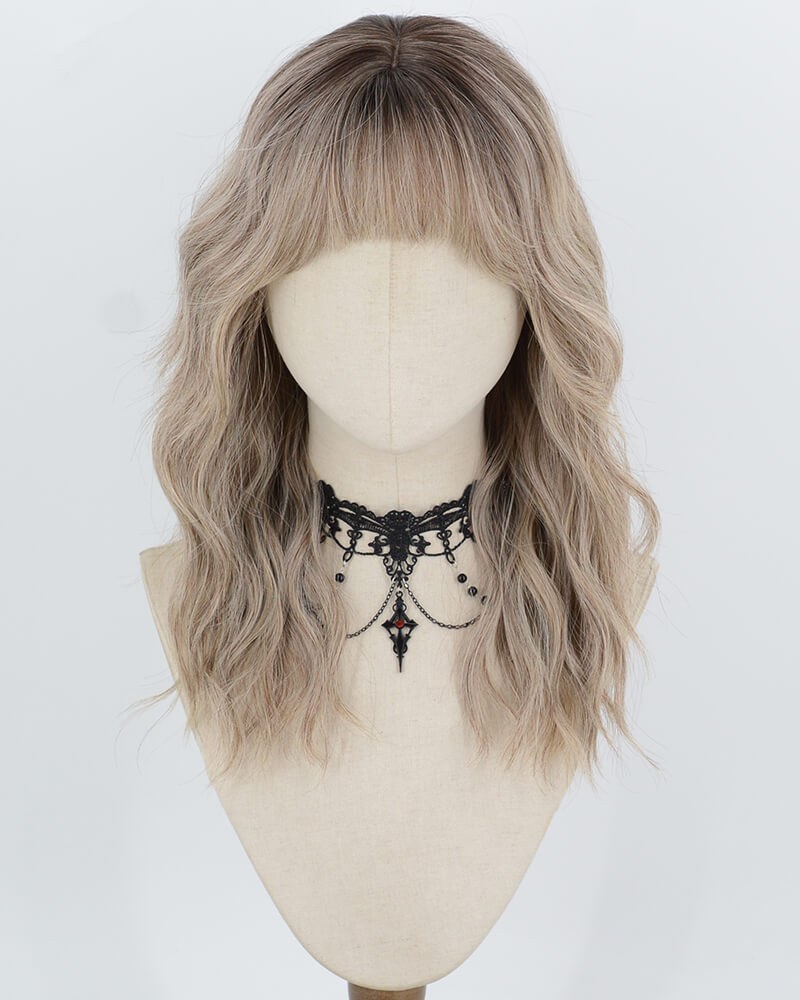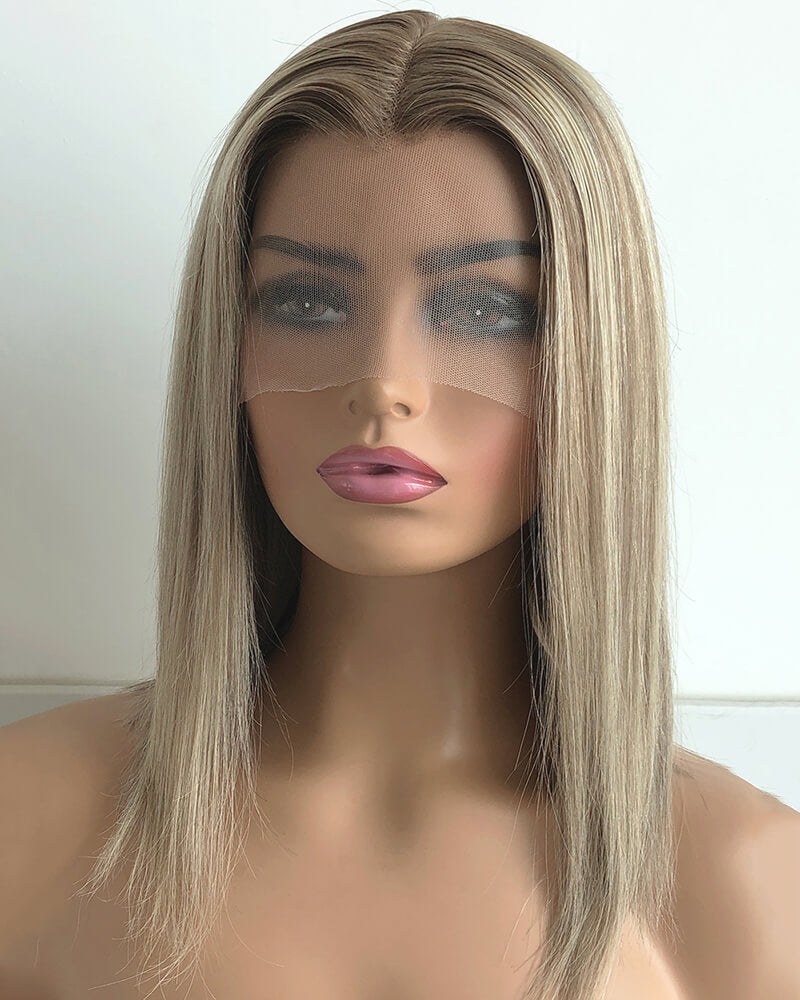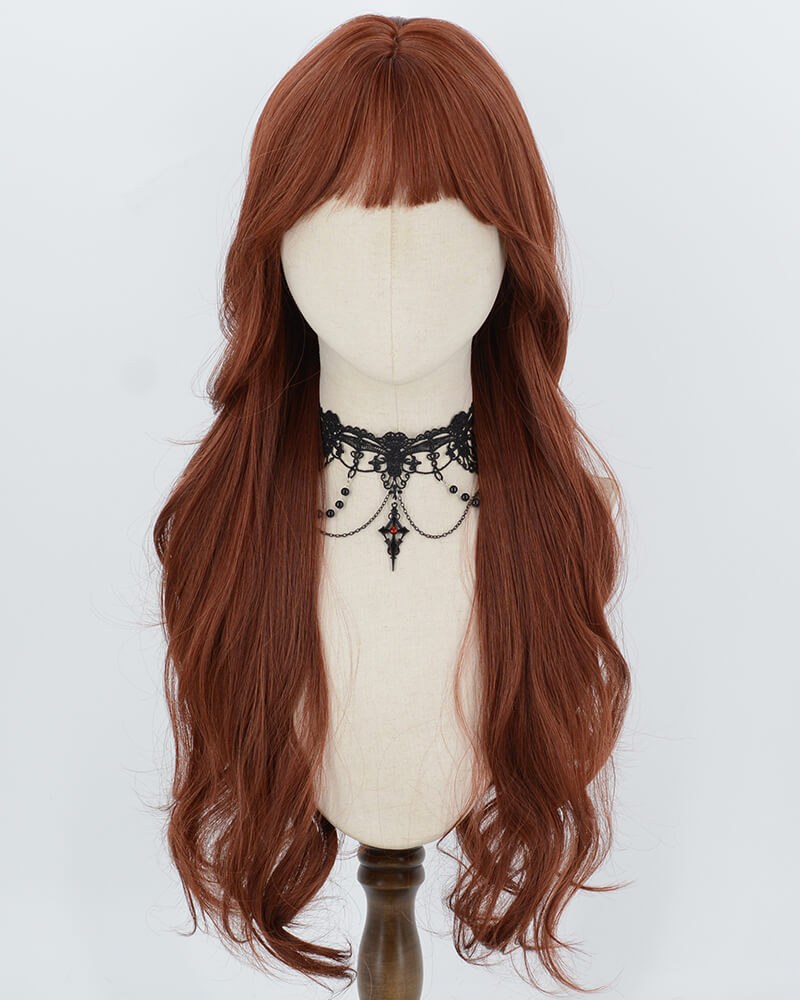
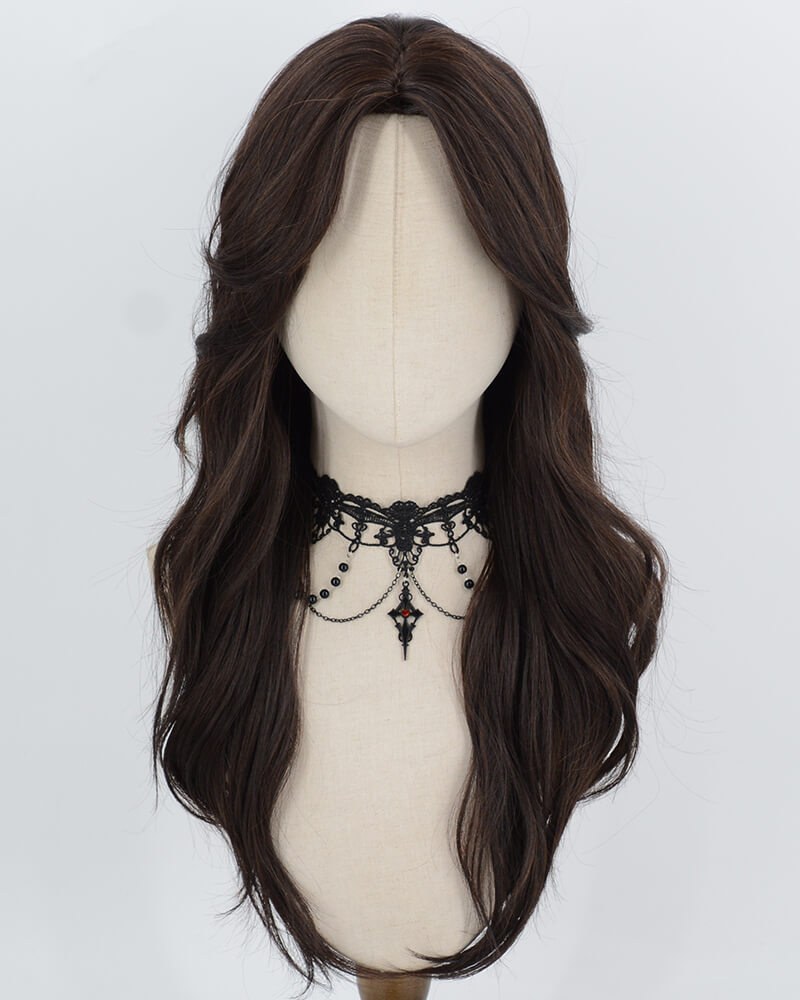
Choosing a wig for a special occasion is about more than looks. You want confidence, comfort and a predictable result on the day. This occasion wig guide walks you through practical decisions—when to schedule trials, how to prioritize comfort, what to test in a trial run, and how to plan for photos—so the wig complements your event, not complicates it.
Begin with the event and your role
Start by clarifying what the occasion requires. Is it a daytime outdoor celebration, an evening gala, a photoshoot, or a hybrid with both indoor and outdoor segments? Consider dress, headwear (hats, veils, fascinators), whether you’ll be moving or dancing a lot, and how many outfit changes you expect. Those details affect wig length, density, style and attachment method.
- If you’ll wear hats or veils, a lower-profile cap or a wig with softer volume at the crown usually works better.
- For events with active movement—dancing or lot of walking—secure attachment (combs, clips, tape or adjustable straps) and lighter density reduce shifting and heat buildup.
- For close-up photography, choose a style with natural hairlines and parting that stand up under flash and high-resolution imaging.
Schedule a wig trial run well ahead of the event
Book your trial run with plenty of margin—ideally several weeks before the date. A trial lets you evaluate fit, comfort and the time it takes to style and secure the wig. It also gives you a buffer to order adjustments or a different wig if needed.
- Bring the outfit and any headwear to the trial so you can test the full look together.
- Try the wig in the same environment as the event if possible—for example, outdoors or under bright stage lighting—to see how it behaves.
- Time the full process (cap prep, wig application, styling, final touch-ups) to estimate morning-of logistics.
Prioritize comfort: cap, ventilation and weight
Comfort is as important as appearance. An uncomfortable wig will distract you and shorten how long you can wear it. Check cap construction, breathability and overall weight during the trial.
- Cap materials and construction differ: lace fronts, monofilament tops and basic caps each feel different against the scalp. Test how the cap feels after 30–60 minutes of wearing.
- Ventilation matters for events in warm environments. Lighter-density wigs or caps with more open wefts increase airflow.
- Long, dense wigs weigh more. If you’re sensitive to weight, consider medium lengths or less dense options and ask about custom thinning or layering.
Attachment and security: what to test in the trial
Decide how the wig will be secured and test each method during the trial. You want something secure enough for your activity level but comfortable and removable if needed.
- Adjustable straps inside the cap provide basic security; test tightness and comfort when sitting and moving.
- Combs and clips anchor the wig to your natural hair; practice inserting and removing them without tugging.
- Tape or adhesive gives the most secure hold for long wear and windy conditions. Test skin compatibility and removal ahead of time.
- If you plan on making rapid changes (quick outfit swaps backstage), rehearse removing and reapplying the wig to estimate how long it will take under time pressure.
Hairline and parting: the small details that show up in photos
When photographs matter, the hairline and parting require attention. Small mismatches or obvious machine wefts become visible in close-up shots and high-resolution images.
- Lace-front wigs give a realistic hairline at the forehead—practice blending the lace and securing it so it stays natural-looking in pictures.
- Monofilament tops create the appearance of scalp at the part; check how the part looks under different lighting and camera angles.
- Consider customizing the hairline or having the wig professionally tinted, plucked or trimmed for a more natural result in photographs.
Timing and logistics for the day of the event
Create a realistic timeline that covers application, styling, touch-ups and buffer time for unexpected delays. The trial run helps you build this schedule.
- Allocate time for cap prep (braiding or wrapping natural hair, applying wig cap).
- Include styling and final blending—especially if you or a stylist will be curling or shaping the wig.
- Set aside 10–20 minutes for quick touch-ups and a final check before photos or arrival.
Communicate the schedule with your stylist, photographer and anyone assisting you so everyone knows when the wig needs to be ready.
Test movement, environment and heat during the trial
During the trial, simulate real conditions. Walk, sit, dance lightly, stand under bright lights and, if relevant, spend some time outdoors. Pay attention to how the wig reacts to humidity and movement.
- Does the wig shift when you move quickly or tilt your head? Practice securing it again if necessary.
- Does the cap become uncomfortably warm under stage lights or in a crowded room? If so, explore lighter-weight caps or different fibers.
- If you expect rain or strong humidity, ask about water-resistant styling or how the wig responds to moisture.
Styling and hair products: what to bring and avoid
Choose styling products compatible with the wig fiber and the look you need. Bring a small kit to the event with essentials and practice using them during the trial.
- For synthetic wigs, use products formulated for synthetics only. Heat-styling tools may damage many synthetic fibers unless they’re labeled heat-friendly—test this in advance.
- For human-hair wigs, bring the same professional products you use on natural hair, but confirm whether color-treated or heat-styled finishes need special care before the event.
- Essentials to bring: a travel brush or comb, a few bobby pins or extra clips, a small can of finishing spray compatible with the fiber, and a compact emergency kit with double-sided tape or adhesive strips if you use them.
Preparing for photographs: angles, lighting and quick fixes
Talk with your photographer about angles and lighting so you can test them in the trial. Some adjustments are simple and make a big difference in photos.
- Ask the photographer to review close-up shots during the trial so you can spot visible lace or parting issues and correct them ahead of the event.
- Bring a small blending brush or powder to soften contrast between the lace and your skin if needed for photography. Test the color match in flash and natural light.
- For high-shine synthetic fibers, matte finishing products minimize glare under flash. Test sparingly at the trial to avoid over-dulling the hair.
Backup plans and final checklist
Have a simple contingency plan in case the wig becomes uncomfortable or damaged. A backup accessory or simpler hairstyle can save the day.
- Pack an emergency bag with extra pins, a small comb, adhesive strips and a travel-size product to tame flyaways.
- If the wig feels wrong the morning of the event, you still have time to switch to a secondary style you’ve trialed in advance (for example, a shorter wig or a neatly styled headscarf).
- Confirm arrival and application logistics with any stylists or assistants so nothing is left to last-minute decisions.
Where to get help and next steps
If you need product options or want to schedule a trial, explore ARIS BEAUTY SUPPLY’s wig collections and accessories to see styles and cap constructions that suit your event. Our collections page is a good starting point, and you can look specifically at lace front wigs, regular wigs and human hair wigs for different needs. For styling tools and application essentials visit accessories. If you’re planning multiple looks or need bulk options for a production, check wholesale and contact us through contact to arrange a consultation or trial appointment.
Choosing the right wig for a special occasion is a process: match the style to the event, run a full trial, prioritize comfort and security, rehearse under likely conditions, and prepare a small emergency kit. With deliberate planning you’ll avoid surprises and focus on enjoying the event—looking and feeling like yourself.