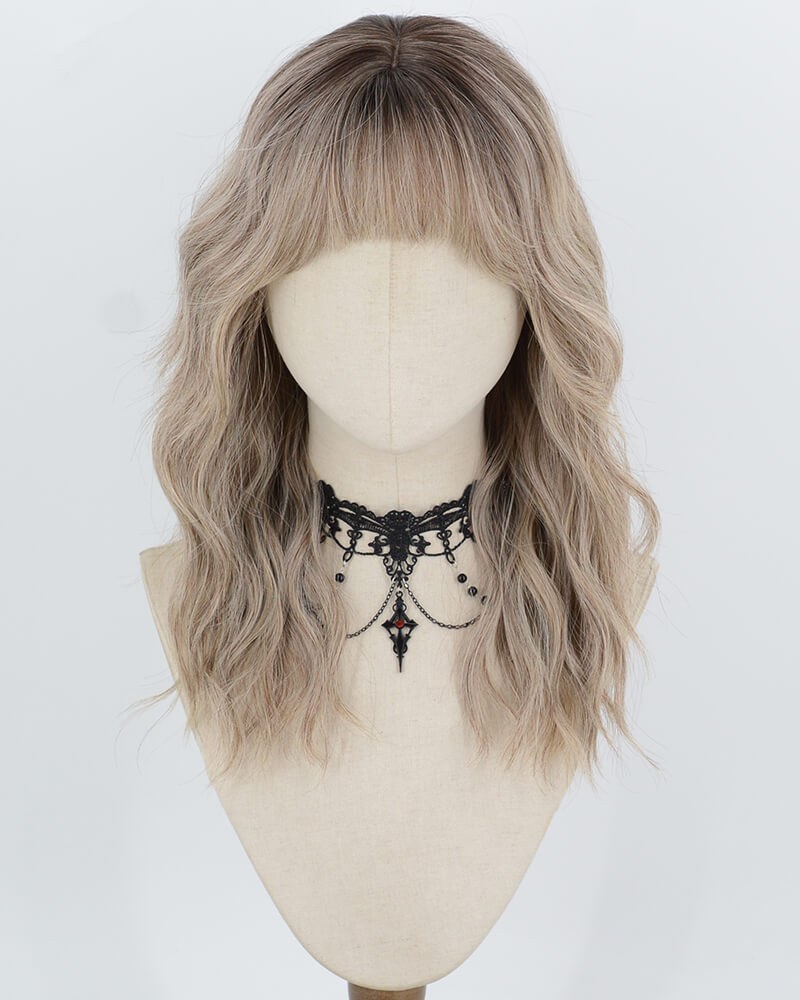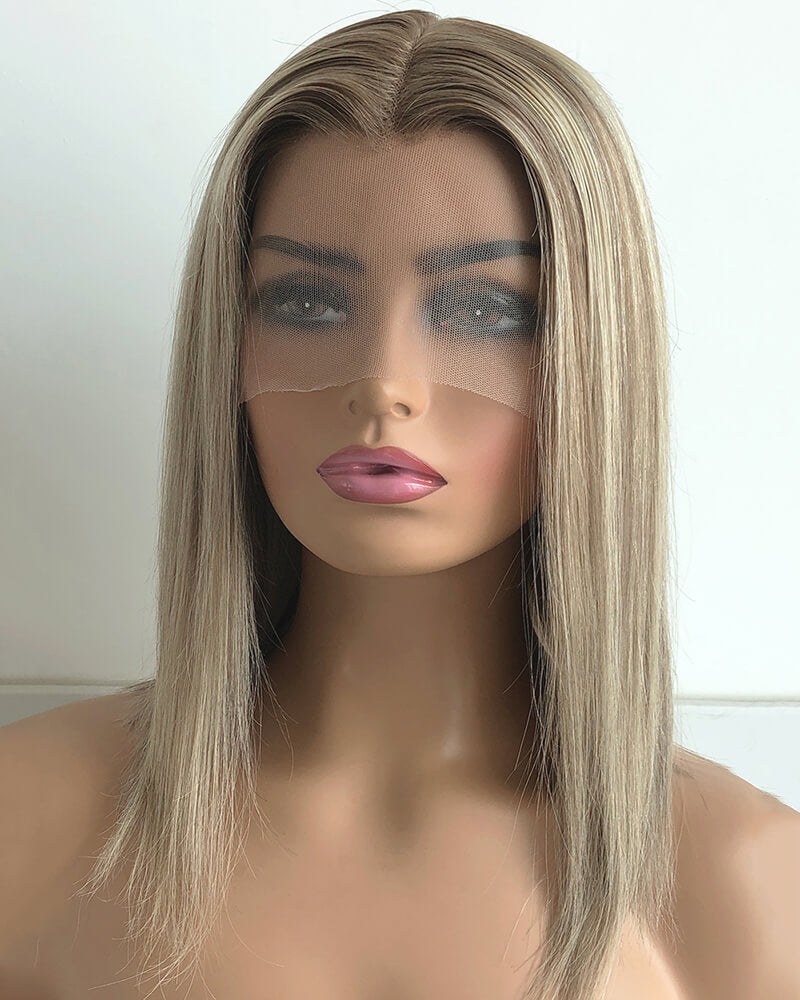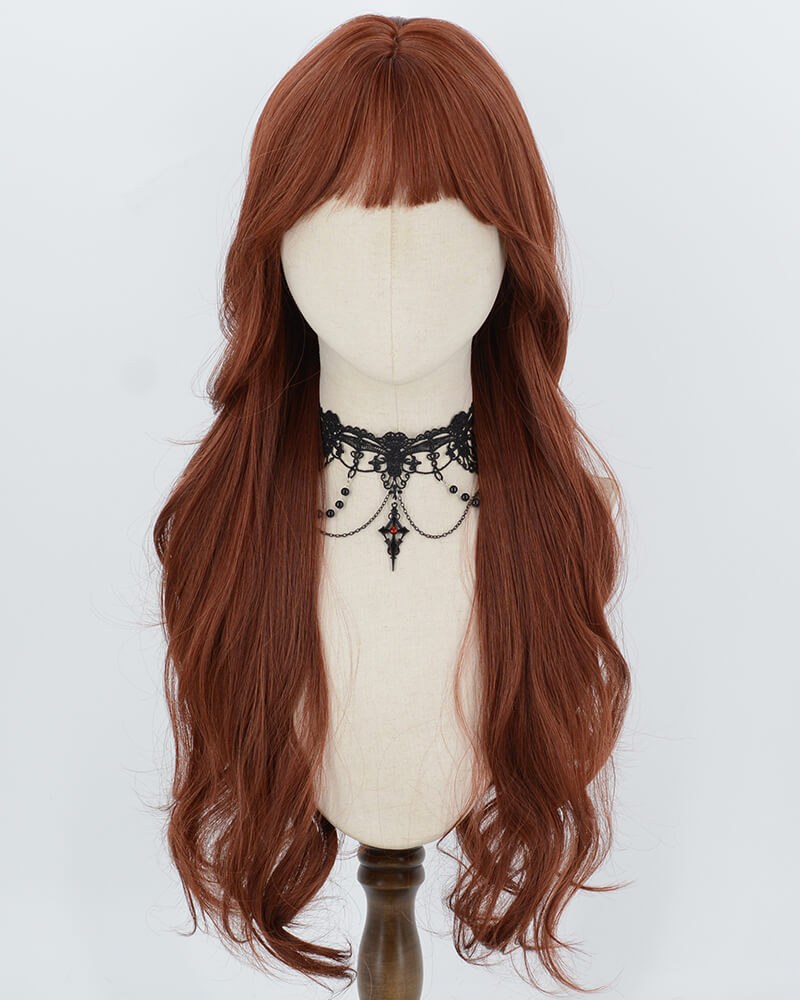
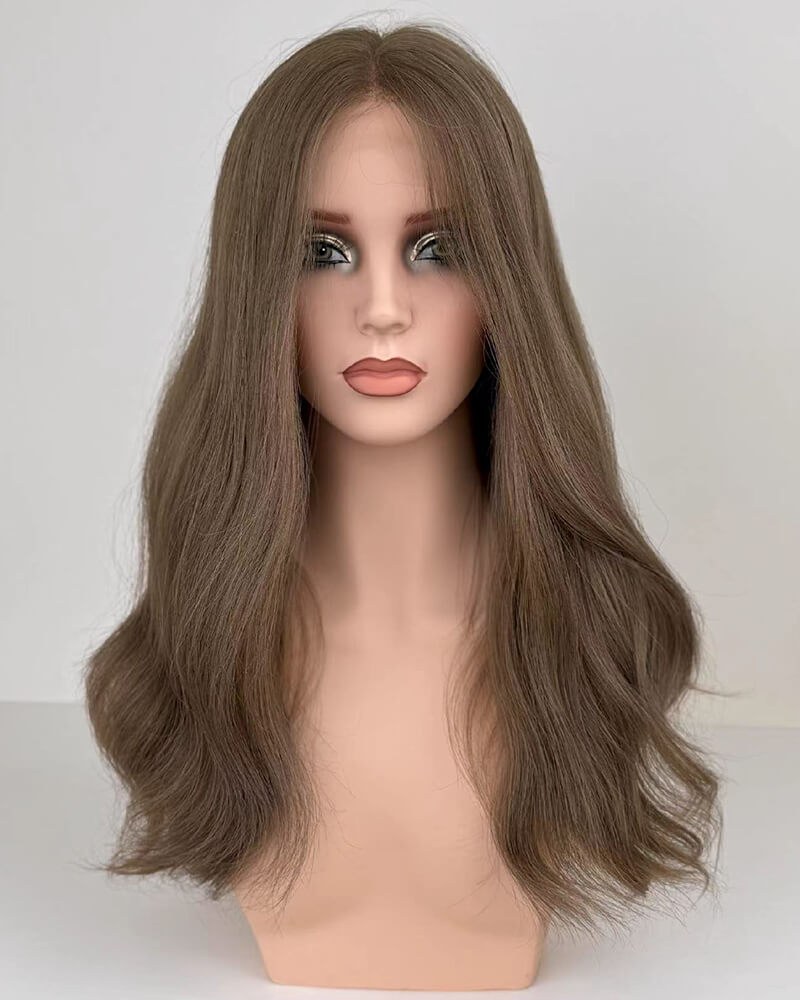
Trying a new wig style can feel both exciting and uncertain. This guide focuses on paced, low-pressure approaches to becoming comfortable and confident wearing a wig. It offers practical steps you can try at home and in public, with examples and small experiments that respect your pace. These methods aim to help you feel more at ease with a new look—not guarantee how you’ll feel emotionally.
Start with fit and feel before appearance
Confidence wearing a wig often grows out of basic comfort. Before experimenting with public wear, take time to ensure the cap fits well, the hairline feels right on your skin, and the wig stays secure during typical movements.
- Try different cap constructions to find what sits best on your head: full lace, lace front, or basic cap styles each distribute weight and tension differently. See our lace front and regular wig collections for examples: /collections/lace-front-wigs/ and /collections/regular-wigs/.
- Use adjustable straps or grips to tune the fit so the wig doesn’t slide during talking, eating, or walking. Small fit tweaks often reduce distraction and boost comfort quickly.
- Wear the wig for short sessions at home—10 to 30 minutes at first—while doing everyday tasks so you notice how it feels in normal movement.
Create a low-pressure practice routine
A repeatable, low-pressure routine reduces decision fatigue and helps you build familiarity. Think of it as rehearsal, not a test.
- Set brief, achievable sessions: three or four times a week, 15–30 minutes each. Over time increase the duration as comfort grows.
- Sequence your routine: fit check, quick styling adjustments, mirror look, small activity (like a phone call), and a short break. Repeating the same steps helps the process feel predictable and manageable.
- Experiment with one variable at a time—parting, clip placement, or headband—so you can tell what makes the biggest difference to your sense of ease.
Practice common social scenarios at home
Rehearsing typical interactions in a private space reduces the novelty of public wear. Keep exercises simple and focused.
- Make short phone calls or video chats while wearing the wig. Video helps you check how the hairline and movement appear from a distance.
- Read aloud or practice your usual small talk lines. This couples facial expression and voice with the new hairstyle so both feel integrated.
- Try eating and drinking with the wig on to confirm no adjustments are needed. Practice simple hairstyles like tucking behind the ear or adding a headband to discover what works for you.
Use accessories to transition gradually
Accessories are practical tools to modify hairstyle visibility and control. They can make a new wig feel more familiar while giving you options for concealment or enhancement.
- Headbands, scarves, and hats let you tone down a bold look at first. They also protect the cap edges while you assess fit and placement. Check accessory options here: /collections/accessories/.
- Clips and pins secure loose areas during early wear; use them near the temples or nape until you’re confident in the fit.
- Experiment with half-up styles or pulled-back looks that reduce face framing if you’re unsure about a dramatic color or cut.
Choose environments for early public outings
When you first step out, pick situations where you feel control and can leave if needed. Low-stakes settings remove pressure and make it easier to observe how the wig behaves in real life.
- Start with errands you already do alone, like a quick grocery run or coffee pickup. These let you test movement, weather resilience, and how people react while keeping your time commitment short.
- Try a familiar social setting where you won’t be the center of attention—like meeting a friend you see regularly. Familiar company often reduces self-monitoring and lets you focus on the experience.
- Take small outings during off-peak hours to avoid crowds and give yourself breathing room.
Refine styling and maintenance habits
Regular maintenance and predictable styling steps help you feel in control and reduce surprises that can undercut confidence.
- Follow product labels for cleaning and heat styling to preserve look and fit. If you’re unsure, consult care resources: /care/.
- Keep a minimal styling kit at home and a compact one for on-the-go touch-ups—comb, clips, small spray bottle for lightweight conditioning, and a travel brush suited to the wig fiber.
- Practice quick fixes: smoothing a part, repositioning a lace front, or securing a loose edge. Repeated practice shortens fix time and reduces stress if a readjustment is needed in public.
Match the style to your wardrobe and routine
Confidence wearing a wig is easier when the hairstyle complements what you typically wear and how you spend your day. Think about proportion, color, and maintenance needs in relation to your wardrobe.
- Pair a bold color or cut with simpler clothing to balance attention. Alternatively, coordinate bold wigs with outfits that echo their tone for an integrated look.
- Consider seasonal practicality: longer wigs can tangle more in windy weather; shorter styles may be lower maintenance for active days.
- Try different looks at home with pieces from your closet to see which combinations feel most natural. This rehearsal helps you pick a go-to outfit for the first few public wears.
Use gradual exposure without pressure
Slow, voluntary exposure builds familiarity without forcing an emotional outcome. Track what feels manageable and increase intensity when you’re ready.
- Phase 1: Private practice sessions only—focus on fit, basic looks, and short tasks.
- Phase 2: Low-stakes public runs—solo errands, short visits with familiar people, off-peak outings.
- Phase 3: Social settings—longer events or new social contexts once you notice repeated comfort in earlier phases.
Move forward at your own pace; you can pause or return to earlier phases any time. The intention is practice and exposure, not performance.
When to seek extra help or product changes
If repeated fit or styling issues persist despite practice, consider product adjustments or professional assistance.
- Some cap types or sizes are fundamentally more comfortable for certain head shapes. If fit problems continue, exploring our human hair or different cap constructions may help: /collections/human-hair-wigs/.
- Professional stylists who work with wigs can suggest subtle cut or set adjustments to make a style wearably familiar. If you’re ordering for a new look, review wholesale and product options with us: /wholesale/.
- If product defects or returns are needed, check our returns and shipping policies for the correct steps: /returns/ and /shipping/.
Simple confidence checklist
Use this quick list before your first public wear:
- Cap fit checked and adjusted
- Basic styling practiced and timed
- Accessory options ready (headband/scarf/clips)
- Short practice outing planned (15–30 minutes)
- Touch-up kit packed
Conclusion: Practical comfort breeds confidence
Confidence wearing a wig usually grows from repeated, manageable experiences rather than a single turning point. Prioritize fit and comfort first, use slow, low-pressure practice to rehearse everyday situations, and add public exposure in small steps. Accessories, a simple maintenance routine, and matching your new style to familiar clothing help the look feel owned rather than borrowed. If issues persist, consider alternative cap types or professional guidance and check our product and wholesale information for options: /collections/.
If you’re ready to try a new style, or want guidance on finding a cap construction or accessory that suits your routine, contact our team to discuss options and next steps: /contact/. Orders are handled via email inquiries and confirmed by our staff.