
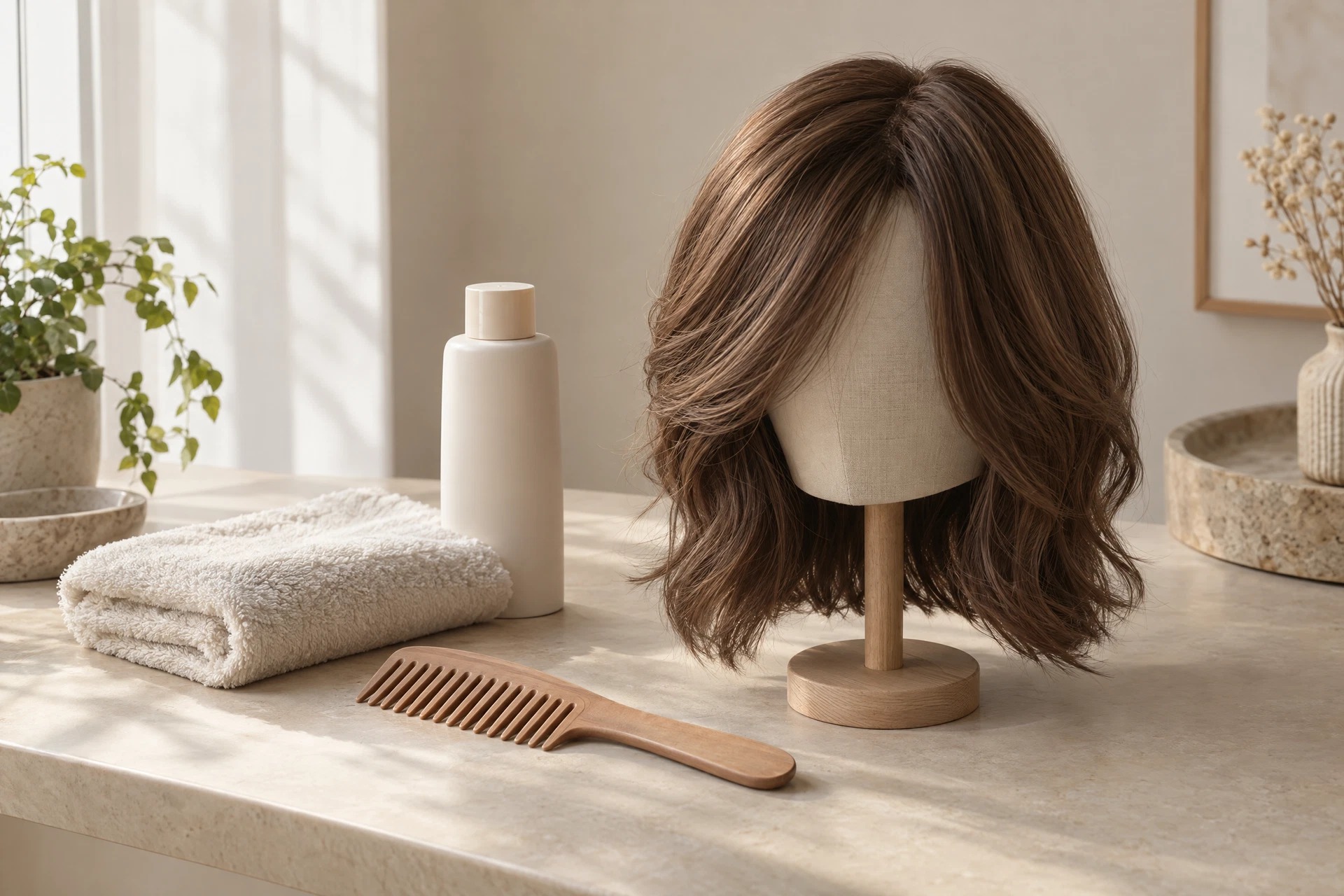
Deciding when to wash a wig is less about following a strict calendar and more about reading the signs of wear, buildup and the product label. This checklist helps you evaluate synthetic and human-hair wigs, determine practical washing triggers and follow steps that preserve style and longevity. Use it alongside your wig’s care instructions and any advice from ARIS BEAUTY SUPPLY.
Why a fixed washing schedule can be misleading
Many care guides recommend washing wigs every few weeks or after a set number of wears. That advice can be helpful as a starting point, but it doesn't account for real-life differences: scalp oiliness, styling products, environment, activity level and the wig’s fiber type all change how often it needs cleaning. A wig worn daily in humid, sweaty conditions will need attention far sooner than one worn occasionally for short periods. Treat schedules as flexible and use the checklist below to make decisions based on actual condition.
Start with the label and product type
Before you do anything, read the wig’s label or any care card that came with the item. The label tells you which cleaning methods and products are safe. Human-hair wigs tolerate many of the same shampoos and conditioners as natural hair, while synthetic wigs often require formulas designed for synthetic fibers. Some lace-front or specially treated wigs may have construction elements that need gentler handling. When in doubt, contact ARIS BEAUTY SUPPLY for clarification rather than guessing.
Checklist: Visual and tactile signs of when to wash wig
Use this quick inspection every few wears to decide if washing is necessary:
- Scalp scent or visible residue: Noticeable smell, product crusting at the base of the cap or white flakes mean it’s time to clean.
- Greasy or heavy feel: If the wig feels weighed down or fibers no longer bounce, oils and product buildup are likely present.
- Tangling and stiffness: Increased tangles, stiffness or loss of shine typically indicate dirt and product coating the fibers.
- Color dulling or matting: When color looks muted or fibers mat at high-friction areas (nape, temples), consider washing.
- Post-event smell or sweat: Heavy perspiration, smoke or food smells usually call for cleaning regardless of use count.
- After heavy product use: Styling products such as mousse, hairspray or oil-based serums build up quickly and require earlier washing.
Assess wear conditions that accelerate cleaning needs
Factor these common scenarios into your decision:
- Daily wear vs. occasional use: Daily wear needs more frequent inspection. Even if a wig looks acceptable, weekly checks are wise for daily styles.
- Active lifestyle: Frequent exercise, outdoor work or high heat environments mean more sweat and oils, which speed up buildup.
- Product-heavy styling: If you use hairspray or styling creams on the wig itself, wash sooner than if you leave it natural.
- Urban or smoky environments: Pollution, cooking smells or cigarette smoke trap on fibers and can necessitate earlier washes.
Different considerations for synthetic and human-hair wigs
Both fiber types show the same basic signs of needing a wash, but the cleaning approach and frequency often differ:
- Synthetic wigs: Fibers are resilient to many styling changes but can trap product and develop a limp look. While they don’t absorb oils the same way human hair does, they do collect residue that dulls shine. Clean when the wig loses volume, becomes sticky from products, or develops an odor. Use products labeled for synthetic fibers and follow the cap construction instructions.
- Human-hair wigs: These generally tolerate more washing and conditioning routines but also absorb oils from the scalp. If you treat a human-hair wig like natural hair, it may need more frequent cleaning when worn daily. Condition carefully according to the label to avoid weakening the cap or altering lace.
Practical examples to guide timing
Here are realistic examples to help you decide when to wash:
- Example 1 — Office wear, low-product: A synthetic wig worn five days a week in a climate-controlled office with minimal styling products might only need washing every 6–8 wears. Use the checklist to confirm.
- Example 2 — Active, high-sweat use: A human-hair wig worn to workouts or outdoor jobs will likely require washing sooner—perhaps after every 2–4 wears—especially if sweat accumulates around the hairline.
- Example 3 — Event styling: If you use heavy spray or heat styling for a special event, clean the wig within 1–3 wears to remove product buildup and prevent fiber damage.
Cap and construction checks before washing
Inspect the wig’s cap and attachments before cleaning. Lace fronts, hand-tied caps and glued wefts each respond differently to washing methods. Look for loose stitching, adhesive degradation, or fragile lace areas. If the cap shows wear, opt for the gentlest cleaning method recommended on the label and consider professional cleaning for delicate construction. When uncertain about repair or cleaning methods, reach out to ARIS BEAUTY SUPPLY via the contact page for guidance.
Drying and post-wash considerations that affect future timing
How you dry and style a wig after washing also influences how long it stays clean and wearable. Gently blot excess water, follow recommended drying techniques from the label, and avoid reapplying excessive styling products immediately. Proper storage—on a stand or in a breathable bag—reduces friction and environmental exposure, extending the time between washes. For more care basics, see our care resources.
When to choose professional cleaning or repairs
Consider professional services when you encounter persistent odors, heavy staining, or structural damage. A professional may be able to deep-clean a wig or repair lace and cap components without compromising the piece. Contact ARIS BEAUTY SUPPLY to inquire about recommended services or wholesale care solutions if you manage multiple pieces—details about wholesale options and policies are available on our wholesale page, but specific terms must be confirmed directly with the company.
Keeping a simple wear-and-wash log
A small log helps you learn patterns that determine when to wash. Record wear count, activity level, products used and any observable signs (odor, grease, tangling). After a few cycles you’ll see how many wears your specific wig tolerates before showing signs that match the checklist. This approach prevents unnecessary washing and preserves the wig’s life.
Summary and actionable next steps
When to wash a wig is a judgment based on visible signs, fiber type and how you wear it—not a one-size-fits-all timetable. Use the checklist: inspect for scent, grease, tangles, color dulling and residue; factor in activity level and styling product use; follow the product label; and consult professionals or ARIS BEAUTY SUPPLY when in doubt. Start a simple wear log, inspect frequently, and choose gentle cleaning methods appropriate for the wig’s construction. For related products and accessories that help with maintenance, browse our accessories and explore options across our collections, including lace-front and human-hair styles. If you need help confirming care instructions for a specific item or ordering supplies, reach out through contact. Orders and wholesale inquiries are handled by email and confirmed by the company; see shipping and returns pages for policy overviews.
Follow this practical approach and your wigs will stay cleaner, last longer and require washing only when the signs truly demand it—saving time and preserving fiber health.