
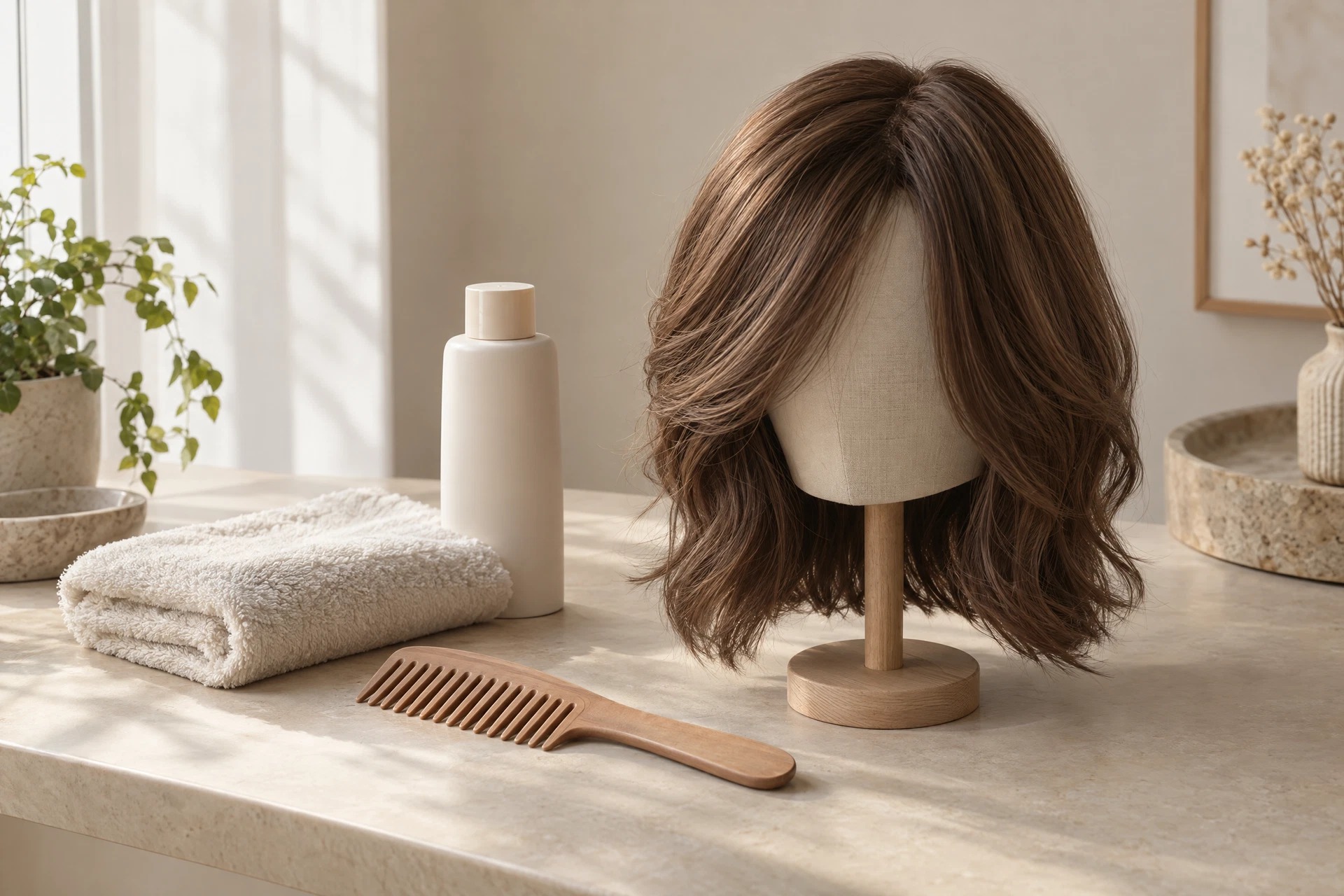
Wig nape tangling—the matting and knotting that forms at the back base of a wig—is a common frustration. Whether you wear lace fronts, full lace, human hair or synthetic caps, the nape experiences more friction and movement than other zones. This guide explains why that area tangles most and gives practical, short-session techniques to reduce tangling while maintaining realistic expectations.
Why the nape tangles more: friction, length and movement
The nape of a wig sits where hair rubs against collars, seat backs, and the wearer's own neck. That repeated rubbing roughens strands and opens cuticles on human hair or raises fibers on synthetics, producing friction that encourages tangling. Longer lengths are heavier and create more drag; even slight side-to-side head movement compounds stress at the base. The combination of constant contact and leverage at the attachment point makes the nape the most vulnerable spot for knots.
Choose the right cap and construction for reduced friction
The wig cap and how the hair is ventilated or sewn in affect how hair moves at the nape. Caps with softer linings and low-profile seams reduce abrasive points. If you experience persistent nape tangling, try caps with smoother fabrics in the nape zone or a design that disperses weight more evenly across the cap rather than concentrating it at the back. For options, see our pages for lace front wigs and regular wigs.
Mind your length: shorter napes tangle less but style matters
Long hair increases the chance of the nape tangling because of the extra strand length that can loop, catch, and knot. If your typical styles place a lot of weight into the lower back, consider cutting or switching to a style with layers that redistribute mass away from the base. For human hair options that accept occasional trims and styling, browse human hair wigs. Remember: changing length changes how the wig behaves under clothing and accessories.
Reduce contact with garments and accessories
Collars, turtlenecks, jackets, scarves and bulky bags are common culprits. Simple changes—wearing lower collars or smoothing a scarf so it sits over the top of the hair rather than against the nape—can reduce rubbing. When wearing straps or seat belts, position a thin, soft fabric barrier (like a satin or silk scarf) between the strap and the wig base to lower abrasion. For tips on compatible materials and accessories, see our accessories collection.
Nighttime care and protective positioning
How you sleep or store a wig influences tangling at the nape. Avoid leaving long wigs loose on rough surfaces. When resting or storing, use a mannequin head, stand, or a soft pillowcase to minimize movement and creasing. If nightly wear is the routine, a loose, low bun or a gentle wrap with a satin scarf can keep the nape contained without excessive strain. Consult the product label and our care guidance for specific recommendations for fiber type.
Short, regular detangling sessions—what they accomplish
Long, aggressive brushing can stress hair and the cap. Instead, schedule short detangling sessions—five to ten minutes—focused on the nape and adjacent areas. Use a wide-tooth comb or a detangling brush made for wigs, and work from the tips toward the base with gentle, deliberate strokes. Apply a small amount of a recommended leave-in product suitable for the wig fiber to add slip and minimize tugging. These short, frequent sessions prevent small knots from becoming large mats that require more intensive intervention.
Technique details: detangling without damaging the cap
- Secure the wig on a stand or mannequin to keep the cap steady.
- Spritz lightly with an approved detangler; avoid soaking the cap unless the product instructions specify it.
- Start at the ends of the nape area and hold the hair above the section you’re working on to reduce pulling at the roots.
- Use short, controlled strokes and let the comb slide; when you hit resistance, work the tangles out with your fingers first, then the comb.
- For human hair, you can use products that contain conditioning agents; for synthetic fibers, use smoothed formulations made specifically for synthetics to avoid residue.
When to deep-clean or professionally service the nape
If short detangling sessions don’t remove a growing mat, it may be time for a deep clean or professional servicing. Residue buildup from styling products, sweat, or environmental grime increases tangling. A deep clean that follows the manufacturer's instructions—using recommended cleaners and conditioning treatments—can restore slip to strands. For wigs that attach at the nape or have complex constructions, confirm service options with the retailer or a qualified wig technician. If you purchased through ARIS BEAUTY SUPPLY, contact our contact page to discuss service guidance or potential solutions.
Practical at-home fixes for small mats
Small mats can often be resolved without cutting. Try these conservative steps before considering trimming:
- Apply a small amount of a detangler and let it sit briefly to soften the mat.
- Hold the hair above the mat to avoid pulling on the cap and gently tease the tangle apart with your fingers.
- Use a wide-tooth comb to work from the ends up in short strokes.
- If the mat is close to the cap and resists, stop and seek professional help; aggressive force can loosen ventilations or damage wefts.
Material-specific considerations: human hair vs. synthetic
Human hair accepts conditioning and can be smoothed more directly with products that replenish moisture and repair the cuticle—an approach that reduces friction-related tangling. Synthetic fibers rely on surface coatings for slip; heavy oils or incompatible products can build residue and worsen tangling. Always follow the manufacturer’s label and the care information provided at point of purchase. Explore our collections to compare materials and choose an option that fits your maintenance preferences.
Realistic expectations and when tangles are unavoidable
No method eliminates nape tangling entirely. Friction, body movement and garment contact mean that some tangling is probable over time, especially on longer wigs and with daily wear. Short, regular detangling sessions reduce the frequency and severity of mats but do not guarantee they will never occur. Planning a maintenance routine that includes occasional professional servicing, choosing protective garments, and selecting a cap construction suited to your lifestyle will minimize interruptions and extend the life of the wig.
When you need replacement or professional repair
If the nape is severely matted, ventilations are loosened, or the cap fabric is compromised, repair or replacement may be necessary. For wholesale or replacement inquiries, or to confirm repair options and policies, consult our wholesale and returns pages and contact ARIS BEAUTY SUPPLY through the contact page. Orders placed by email are confirmed by the company; policies for pricing, minimums and lead times must be verified directly.
Conclusion: Tackling nape tangling requires a multi-pronged approach—reduce friction where possible, choose a cap and length that suit your daily routine, and practice short, regular detangling sessions. These steps won’t promise zero tangles, but they will slow accumulation and make maintenance manageable. If a problem becomes persistent, seek professional cleaning or repair and check product-specific care notes before attempting aggressive remedies.