
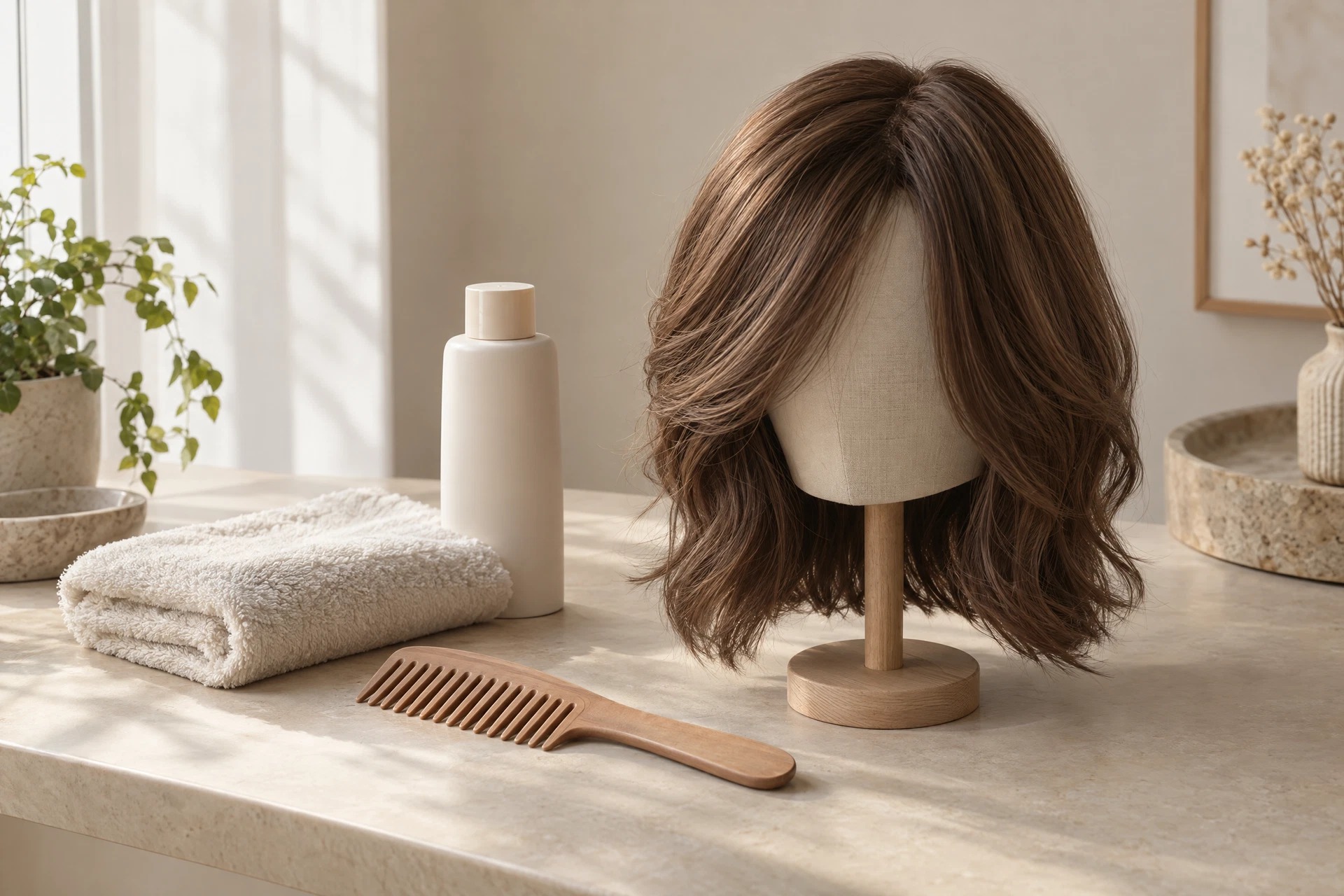
Keeping a wig cap and its liner clean is as important as washing the hairpiece itself. Sweat, oils, styling products and label residue can build up on the cap and liner, causing discomfort, odor and faster wear. Below are practical steps and troubleshooting tips so you can clean a wig cap and liner safely, dry them for comfort and longevity, and resolve common issues such as stained labels or itchy seams.
Understand the parts: cap, liner and label
Start by identifying which components you have. A wig cap usually refers to the base the hair is attached to (lace, monofilament, or wefted). A cap liner is a separate, thin piece—often cotton, nylon or silicone—that sits between your scalp and the wig cap for sweat absorption, grip and comfort. Labels and sewn-in tags can be fabric or paper-backed and may trap oils and residue. Treat each part according to its material rather than assuming one method fits all.
Gather suitable supplies before you begin
Collect mild detergent or shampoo formulated for delicates, a soft toothbrush or cloth, a small basin, clean towels, a drying rack or wig stand, and—if needed—gentle stain remover for labels. Avoid strong bleach, harsh solvents or heavy-duty laundry detergents; these can weaken lace and elastic, fade colors and damage silicone liners. If the liner has adhesive or special coatings, check any included care instructions or the vendor's guidance before cleaning.
Remove the liner and detach labels when possible
Always remove a separate cap liner from the wig before cleaning. If the liner is permanently sewn in, do not forcibly remove it—clean the assembled unit instead and spot-clean carefully. For removable liners, take off tags or loose labels that can be unstitched easily. If the label is sewn in and you want to clean beneath it, use small scissors and care to avoid cutting the cap fabric; if preservation of the label is important, consider spot-cleaning only.
Hand-wash technique for caps and liners
Hand washing is the safest general method. Use cool or lukewarm water and dissolve a small amount of mild detergent or wig shampoo in the basin. Submerge the cap or liner and gently agitate—do not scrub vigorously. For liners made of absorbent fabrics like cotton, you can gently squeeze to release grime. For delicate lace caps, press the water through the material with a gentle pressing motion. Rinse thoroughly until water runs clear to remove any detergent residue that might irritate the scalp.
How to clean labels, seams and stitching
Labels often accumulate oils where they meet the scalp. To address this, dampen a soft cloth or cotton swab with diluted detergent and lightly blot the label edges. For tougher grime, a soft toothbrush can loosen buildup along seams—use very light pressure and brush along the grain of the fabric to avoid fraying. If a label is paper-backed or likely to bleed, spot-test the cleaner on a hidden corner first. If the label’s adhesive has gummed up, mechanical removal (careful cutting or peeling) is safer than chemicals that might damage the cap.
Drying methods to preserve shape and comfort
Proper drying prevents mildew and helps preserve fit. Never wring a cap or liner—this can distort elastic and lace. For liners, press between two towels to remove excess water, then reshape and lay flat on a drying rack. For caps, gently pat with a towel and place on a wig stand or a rounded form that approximates head shape so the cap dries in its intended shape. Avoid direct heat sources such as radiators or hair dryers; instead air dry in a well-ventilated area out of direct sunlight. If you need faster drying, use a low-air fan positioned to circulate air around the form, not a heat source.
Reassembly and comfort checks
Once both pieces are fully dry, reattach the liner and any labels you preserved. Before wearing, check for areas that may have stiffened or shrunk—linens and some elastics can change shape after washing. Put the wig on and wear it for a short period to confirm there is no itching, visible residue or loose threads rubbing against the scalp. If any irritation occurs, remove the wig and identify the source before continuing to wear it. A soft cotton strip between the liner and scalp can reduce friction while you troubleshoot the issue.
Troubleshooting common problems
- Persistent odor: After washing, if a faint odor remains, air the cap and liner outdoors in shaded, breezy conditions for several hours. Baking soda placed near (not on) the dry components in an enclosed container can help absorb lingering smells; remove the powder before reassembly.
- Stiff seams or label residue: Rewash the problem area with a tiny amount of conditioner or fabric softener diluted in water, rinse thoroughly, then reshape and dry. Use minimal product to avoid buildup.
- Loose elastic or misshapen fit: If the cap’s elastic has stretched, some people use wig-specific suction or silicone liners to improve grip rather than altering the original elastic. For significant structural changes you may prefer a replacement cap.
Maintenance habits that extend cap and liner life
Regular, light cleaning reduces heavy buildup that forces more aggressive treatments. After each wear, air the wig and liner for at least an hour on a stand. Use absorbent liners and replace or wash them more frequently than the cap itself—liners are designed to take the brunt of sweat and oils. Rotate between two liners if you wear wigs daily; this lets each liner fully dry and reduces deterioration.
When to consult professional care or replace components
If you encounter irreversible damage—such as torn lace, detached wefts, or a liner whose shape won't return—contact a professional wig technician or consider replacing the component. ARIS BEAUTY SUPPLY offers a variety of cap types and liners that may suit your needs; check the product details and care recommendations before purchasing. For questions about specific materials, care limits, or ordering replacement caps and liners, reach out through our contact page or explore the accessories and lace front selections for compatible options.
Examples: cleaning routines for common materials
These are illustrative approaches—always follow the manufacturer’s label when provided.
- Cotton liners: Hand wash with mild detergent, rinse thoroughly, press between towels and air dry flat.
- Nylon or synthetic liners: Use cool water and gentle detergent; avoid agitation that could cause pilling. Dry on a form to maintain shape.
- Silicone liners: Wipe with mild soap and water; avoid abrasive brushes. Pat dry and allow to air completely before reusing.
Conclusion: clean for comfort and longevity
Cleaning a wig cap and its separate liner improves comfort, reduces odor and prolongs the life of both pieces when done carefully. Identify materials, remove and treat liners separately when possible, use gentle cleaning methods based on fabric, and dry on forms to preserve shape. Address labels and seams with soft tools and minimal product. If problems persist or you need replacement components, ARIS BEAUTY SUPPLY’s regular wigs, human hair wigs and accessory collection can help you find compatible caps and liners—confirm specifics or orders by contacting us via our contact page. For wholesale questions or larger needs, see our wholesale information and reach out directly to confirm pricing and lead times.
Quick checklist before you start:
- Identify cap and liner materials and read any care labels.
- Gather mild detergent, soft cloths, a basin and a drying form.
- Remove and pre-treat labels or detach liner if possible.
- Hand wash gently, rinse thoroughly and air dry on a form.
- Reassemble, test for comfort and store appropriately.